News
History: Droughts in Wyoming

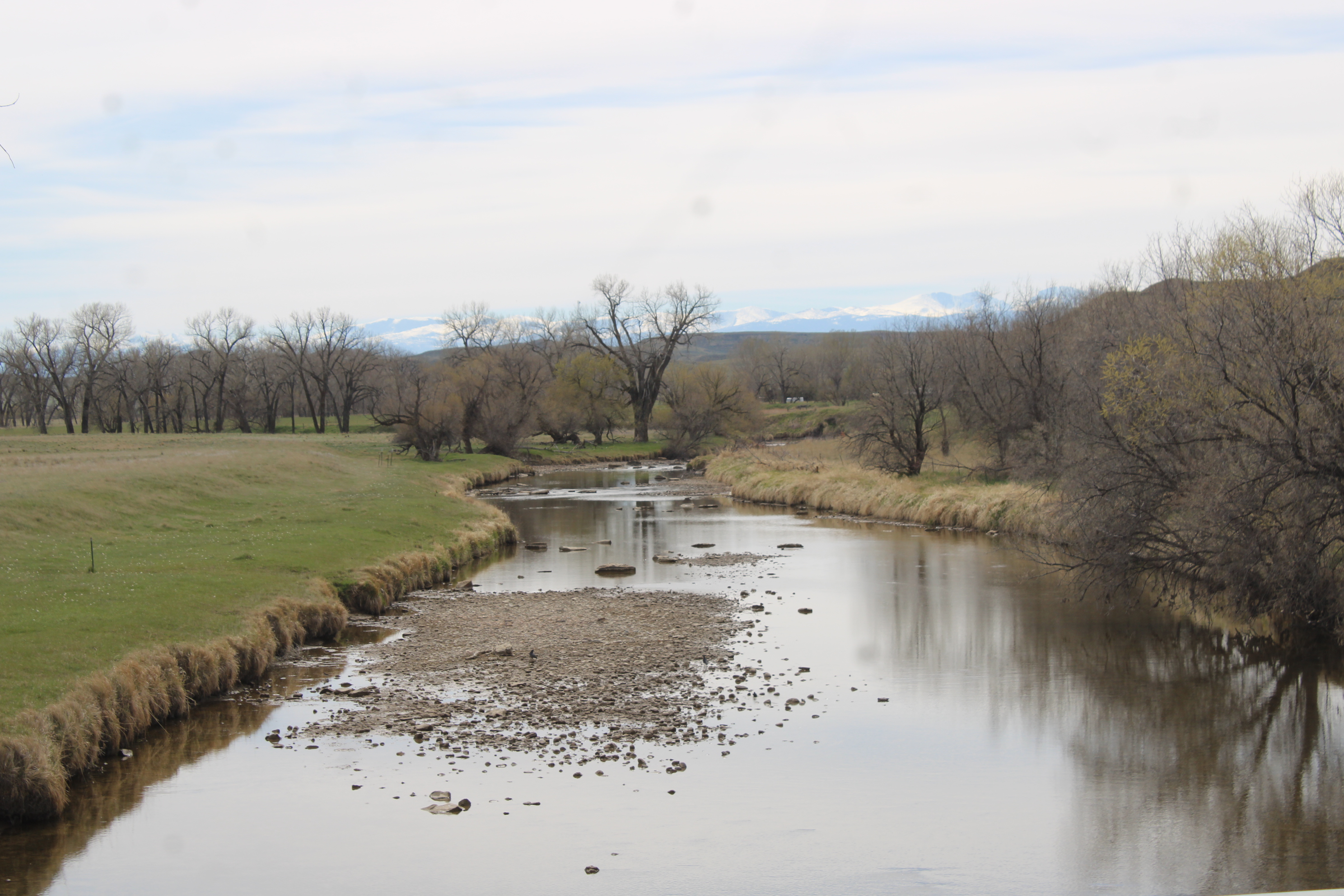
Wyoming has had several droughts through the years, the drought of 1886, followed by a hard winter, brought the an end to the open range cattle era, as cattle died by the thousands across the great plains.
As of March, 2026, the Sheridan area is in a severe drought, due in part to the exceptionally warm, dry winter of 2025-26.
In this column we will look at two of the droughts, the effect on the ranchers, and what was done to help keep their stock alive. We may revisit this subject in another column.
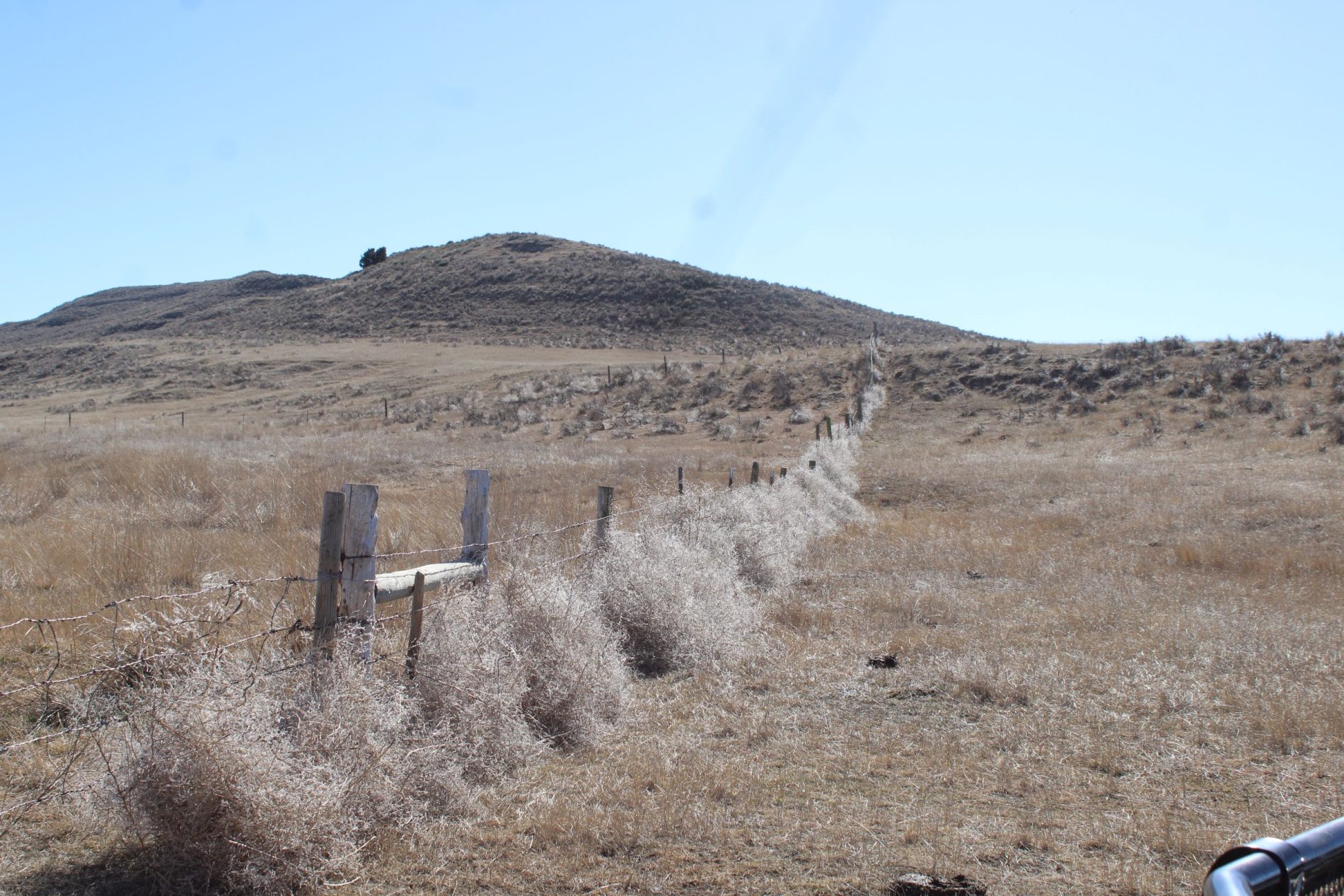
One was mentioned in The Sheridan Enterprise, July 29, 1919
Special rates Granted by Government for Cattle Shipments from Drought Sections, Will Save Thousands of Cattle Is Belief Department of Agriculture Perfecting All Plans for Removal of Livestock
Washington, July 29 –Emergency freight rates to afford relief in drought-stricken territory of the Northwest have just been announced by the Railroad Administration after conference with officials of the United States department of agriculture.
This may mean the difference between millions of steaks and roasts in as many homes throughout; he country and dry bones scattered over the farms and ranges of the northwest. As a result of the rates, probably half a million starving cattle will be moved from the stricken regions of Montana, Wyoming and North Dakota to pastures in other states, and feed will be shipped into the drought country to sustain other hundreds of thousands of breeding animals. For some time past the department of agriculture and the Railroad Administration have been working out basis of action.
The emergency rate for feed shipped into the drought-stricken territory is one-half of the regular rate, from points on railroad lines serving the destination territory. Practically all kinds of feed are provided for. Cottonseed cake and cottonseed meal, however, are not included under the half rate, but may be shipped from Texas, Oklahoma, Arkansas, and points in Louisiana on and east of the Mississippi river at rates ranging from 50 to 60 cents a hundred.
The rate for shipping cattle out of he drought stricken area to pastures or feed and later returning them mounts to a round trip rate of one and one third the regular one-way rate. That is, animals may be shipped to pasture or feeding points upon payment of the regular rate, and at any time prior to June 1, 1920, may be returned to the point of origin upon payment of one third of the regular rate.
A large proportion of the animals brought out will never be back, but after fattening on grass or feed will go to the slaughter pen provision is made for this by the reducing of transit rates, which means that the owner pays the through rate from the point of origin; the market instead of two local rates, one from the point of origin, the pasture point and one from the pasture point to the market his privilege is extended to months from the date of original shipment.
This is an extension of the transit rate on sheep that has been in existence for a long time, but is now made to apply also to cattle, hogs and horses.
The Department of, Agriculture is throwing into the work the same organization that saved hundreds of thousands of cattle last year In the drought stricken areas of the Southwest The Bureau of Animal Industry will establish an office at Billings, Mont., for dealings with owners who desire to get their cattle out to pastures or feed.
A distributing station will be established at St Paul, Minnesota. This office will locate available pasture and feed supplies and distribute animals sent out from the drought stricken areas. The Bureau of Markets will conduct the same kind of feed reporting service that it did m Texas last year and the States Relations Service, through its county agents and otherwise, will give assistance all along the line.
One of the best known drought was during the 1930s, from 1931 until 1939, which was also named the Dust Bowl, due to no living plants to hold onto the top soil, and the winds blew it away.
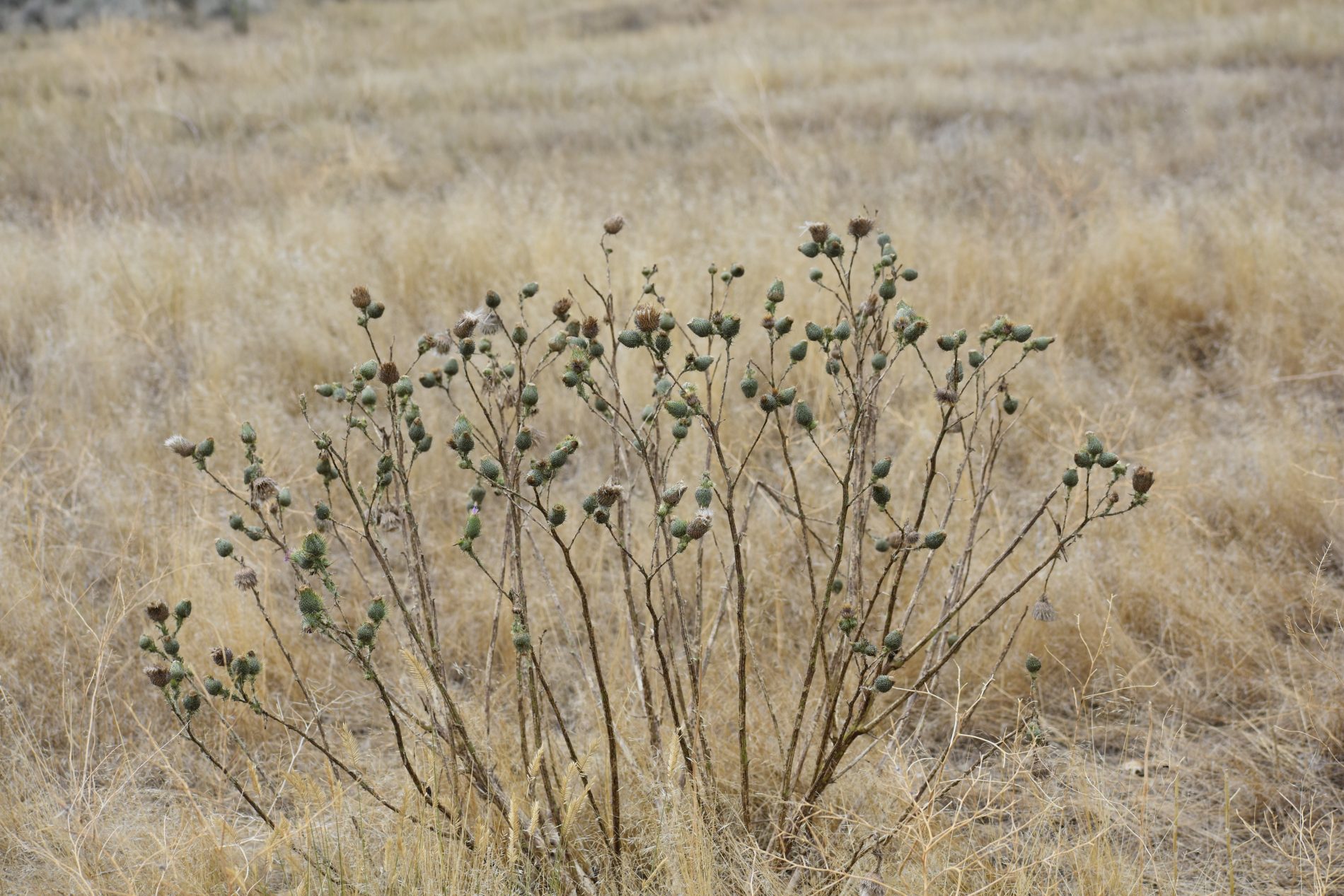
A thistle completely defoliated by grasshoppers
In 1934, Ben Vannoy, who homesteaded near Clearmont in 1917, wrote in his memoirs, The year 1933 hadn’t been such a bad one….I could pay a little here or there, taxes and interest.
Next came 1934. One of the very dryest (sp) years ever. That was the year the government bought up a lot of cattle all over this country….I stacked about 80 tons of Russian thistle hay. I culled out 28 head of cattle to sell to the government.
Then 1935 came. Looked like a fair to good season, but it turned out dry. Things looked good. That winter we had lots and lots of snow and it looked like our drought was over, but the spring thaw came and watrt amost all went down the drain.”
Then, in addition to the drought, came the grasshoppers. Lots of grasshoppers. “Little grasshoppers showed up everywhere. So thick one could not step without mashing a lot of them. By the middle of June there wasn’t a blade of grass or grain of a leaf left on the trees. They killed great patches of sagebrush.”
Due to the drought and the hoppers, Ben moved several of his cows to some leased land in Nebraska. He talked about loading the cattle on the train for the trip. They were up early in the morning rounding up the cattle and driving them into Clearmont, a distance of nine miles. “We were loaded and on our way by early afternoon. I got into the caboose and was asleep before I got to Arvada.” A distance of about 20 miles.
Due to his quick thinking of moving the cattle, Vannoy saved his breed stock and returned them to Wyoming when the rains came. One has to admire what those early pioneers went through to keep their livelihood going.