News
Exhibit Features Battle of Little Bighorn in Native American Art

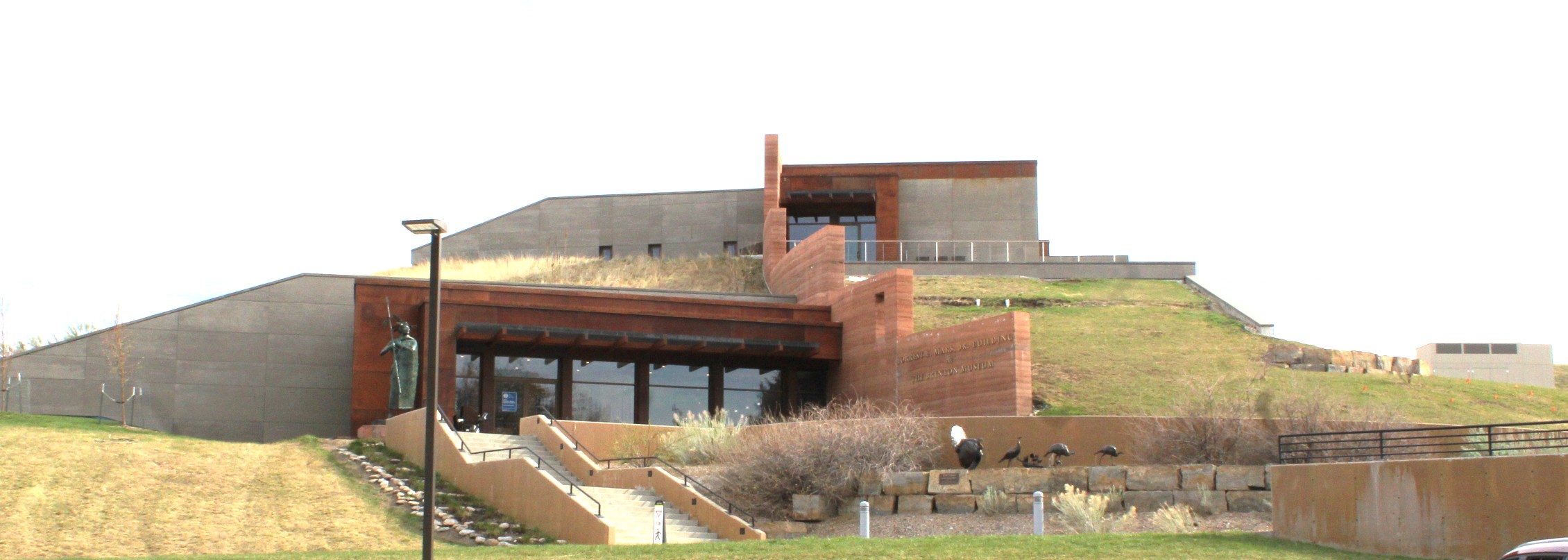
One of the most famous battles of the Plains Indian Wars was the Battle of the Little Bighorn or in Indian history, Battle of the Greasy Grass, in Montana.
Recently, The Brinton Museum announced its upcoming exhibition, The Unfinished War: The Battle of the Little BighorninNativeAmericanArt, on view April 17 through September 14, 2026. This major exhibit reframes one of the most mythologized events in American history through Native perspectives—historic and contemporary—rooted in lived experience, cultural memory, and visual testimony.
There will be an opening reception on Thursday, April 16 from 5–7 p.m. The reception is free and open to the public and will include remarks by Curatorial Director Jochen Wierich and a special presentation by artist Rhonda Holy Bear (Cheyenne River Sioux Tribe), whose work connects personal and family history to the Battle of the Little Bighorn.
The Battle of the Little Bighorn, known to many Plains Indian people as Greasy Grass, has long been depicted through a narrow lens shaped by popular imagery and Western narratives. The Unfinished War challenges that tradition by centering Native American artists who documented, interpreted, and responded to the battle across generations. Through ledger drawings, muslin paintings, pictographic works, and contemporary art, the exhibition reveals how Native visual language preserves history differently—recording multiple moments, voices, and truths rather than a single heroic scene.
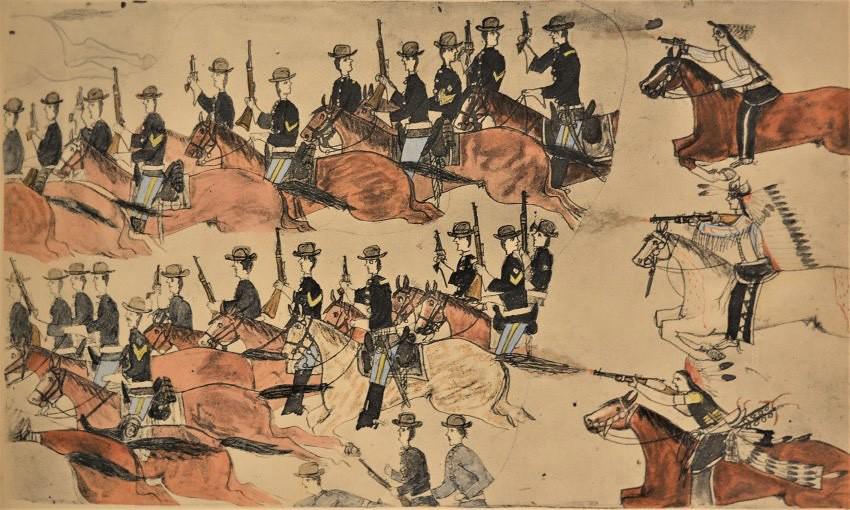
Amos Bad Heart Bull, Reno’s Retreat, 15×19, 1898 Courtesy of the Brinton Museum
Historic works by artists such as Stephen Standing Bear, Amos Bad Heart Bull, and White Swan offer firsthand Indigenous accounts that disrupt the familiar image of “Custer’s Last Stand.” Acting as historians and witnesses, these artists created records intended for future Native generations, preserving lived experience rather than myth.
The exhibition extends this visual testimony into the present through the work of contemporary Native artists, including Fritz Scholder, Jaune Quick-to-See Smith, Arthur Amiotte, David Wilcox, Rhonda Holy Bear, and Bently Spang. Together, these works reveal the battle not as a closed chapter, but as an unresolved and ongoing presence in Native history and art.
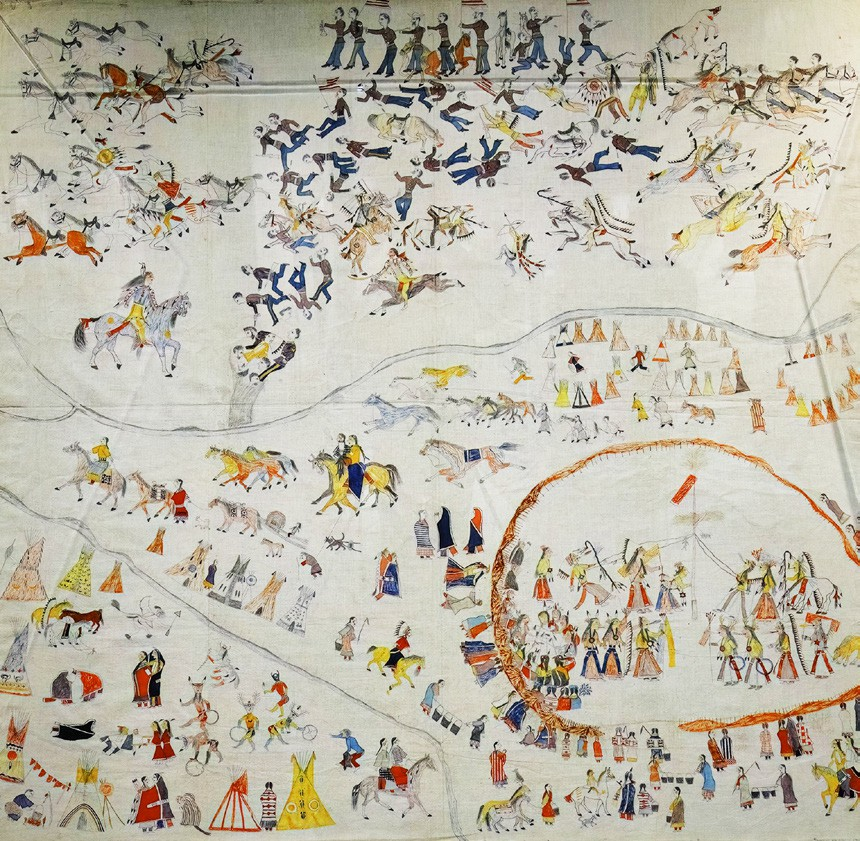
Stephen Standing Bear, Painted Muslin, 72×77, 1899. Courtesy of Brinton Museum
“The Brinton Museum is honored to host an exhibition that focuses on American Indian perspectives on the Battle of the Little Bighorn,” said Curatorial Director Jochen Wierich. “There is a remarkable legacy in Native visual arts depicting and remembering this event over multiple generations, from historic works painted by warriors to the present day. Only an hour drive from the battlefield, The Brinton Museum is uniquely positioned to organize such an exhibition. The 150th anniversary is a meaningful time to honor the continuing memory of the Battle of the Little Bighorn and the Native community we serve.”
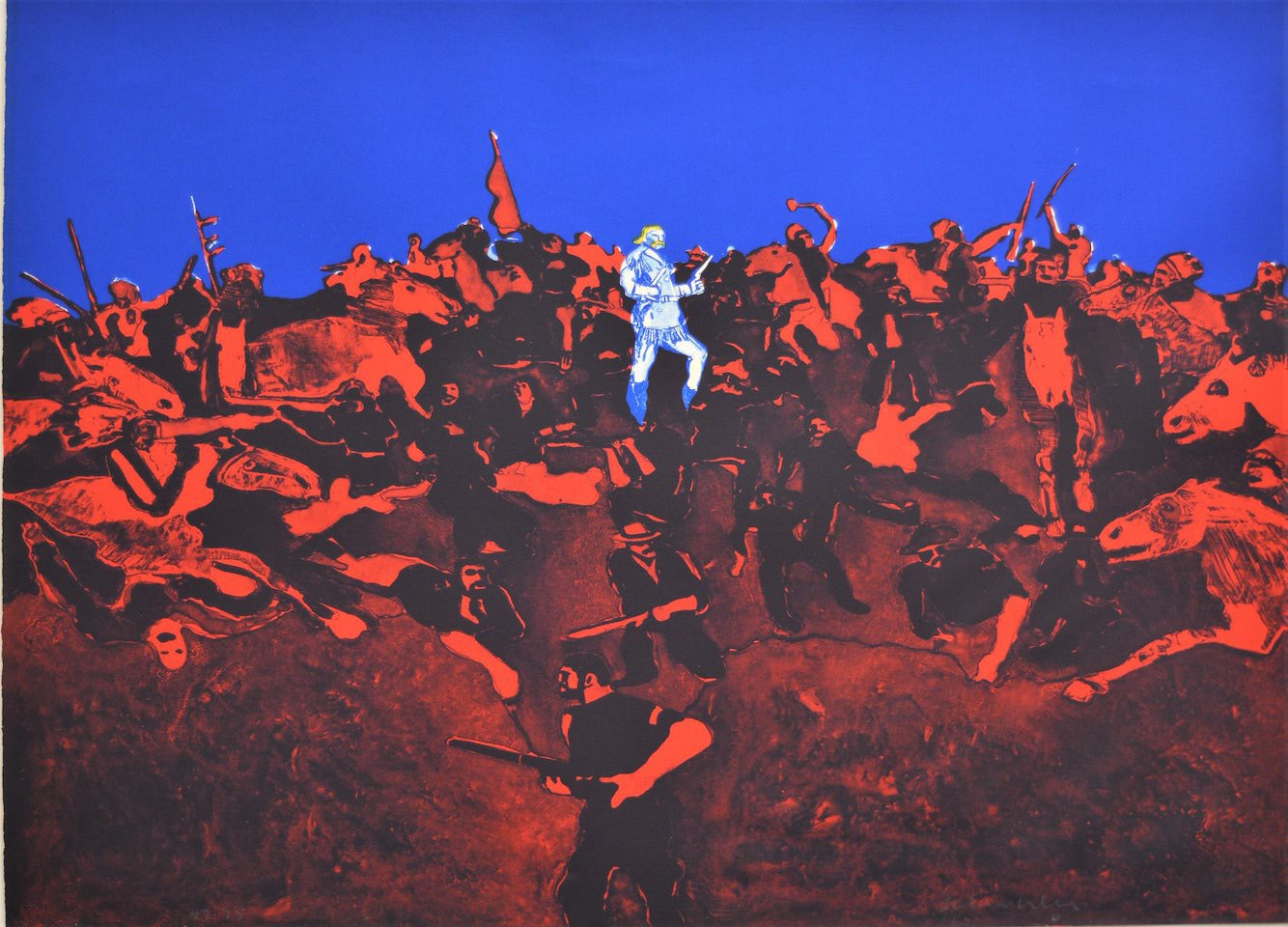
Fritz Scholder, American Landscape, 22×30, 1976. Courtesy of Brinton Museum
Presented in conjunction with the 150th anniversary of the battle, The Unfinished War invites visitors to consider how history is remembered, who tells it, and why these stories continue to matter today.
To further explore the themes of the exhibition, The Brinton Museum will present a series of public programs that expand on Native perspectives, oral history, and visual storytelling connected to the Battle of the Little Bighorn. Together, these programs offer opportunities to engage more deeply with the histories, voices, and lived experiences represented in the exhibition.
There will be the opening reception on Thursday, April 16 from 5–7 p.m. as well as an Oral History Symposium on June 11 from 5-7 p.m., and a lecture: “The Picture is the Rope: Listening to the Strands” — on June 18 from 5-7 p.m.
The Unfinished War: The Battle of the Little Bighorn in Native American Art is made possible through the generous support of: Terra Foundation for American Art The Joe and Arlene Watt Foundation;
Foundation for the Preservation of American Indian Art and Culture, Inc.; Nickerson Family Foundation; Savile Capital Group Tucker Foundation Wyoming Arts Council; Edwin T. Meredith Foundation; Arthur Amiotte; and Jim Jereb.
The Unfinished War is a cornerstone of The Brinton Museum’s 2026 annual theme, Our Legends, which highlights stories, people, and events rooted east of the Bighorn Mountains and central to the cultural landscape of the region. These legends—both past and living—reflect continuity, resilience, and the enduring power of place. Through exhibitions and programs, Our Legends looks forward as much as it looks back, emphasizing how history remains active, contested, and deeply connected to community.
For more information, visit thebrintonmuseum.org.
About The Brinton Museum
Founded in 1960, The Brinton Museum is dedicated to preserving and presenting the art, history, and cultures of the American West. Located on the historic Quarter Circle A Ranch near Big Horn, Wyoming, the museum features Fine Art and American Indian Art collections, historic structures, and expansive grounds that connect visitors to the land and stories of the region. Admission to The Brinton Museum is free, thanks to generous community support.