News
Dunning Speaks on Crazy Horse’s Last Battle

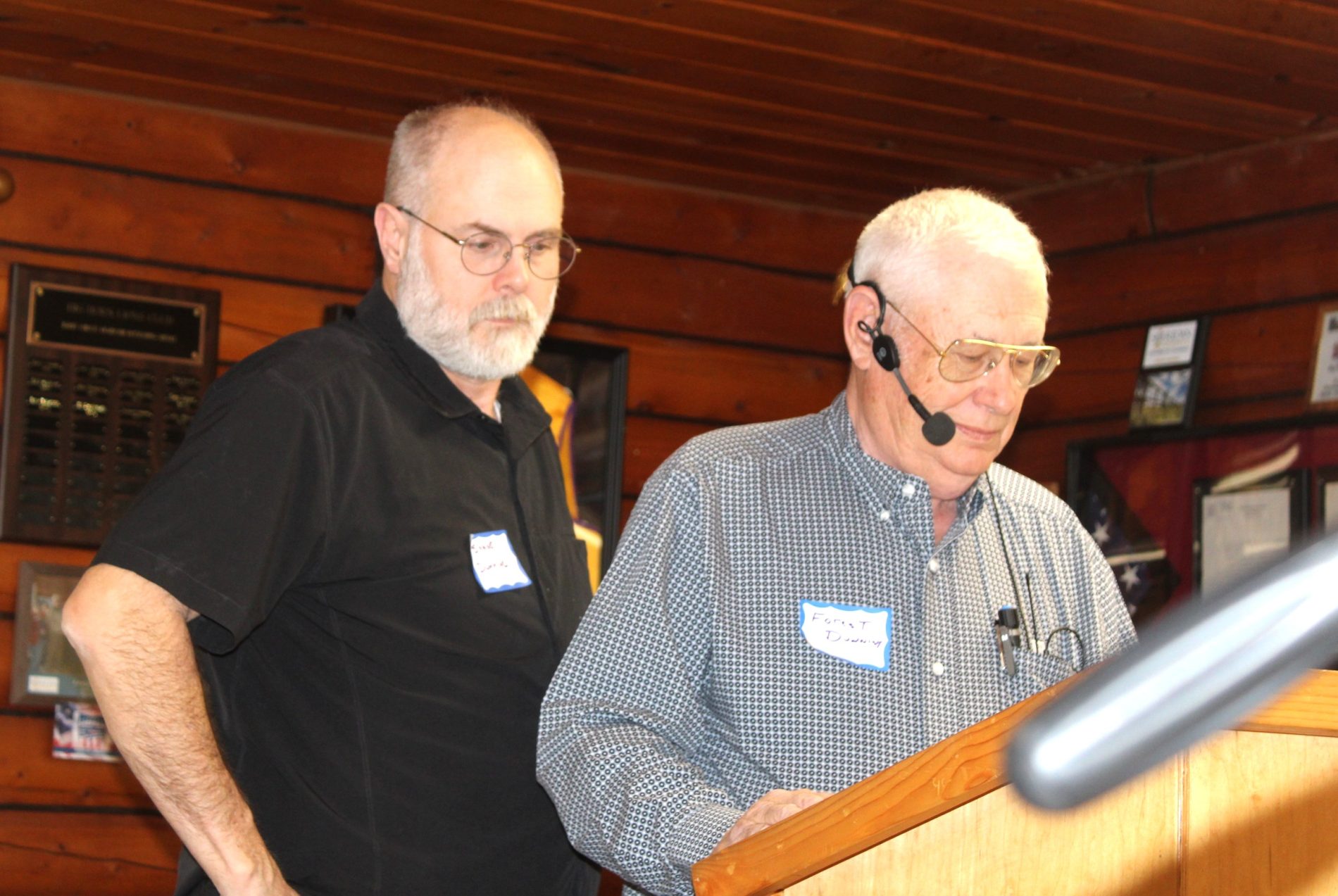
A record crowd filled the Big Horn Women’s Club building on Sunday, April 26, for the Big Horn City Historical Society hosted a history program by Forest B. Dunning. Dunning is a historian and writer, with a master’s degree in military science. His son, Shane, attended the program as well, and helped with the presentation.
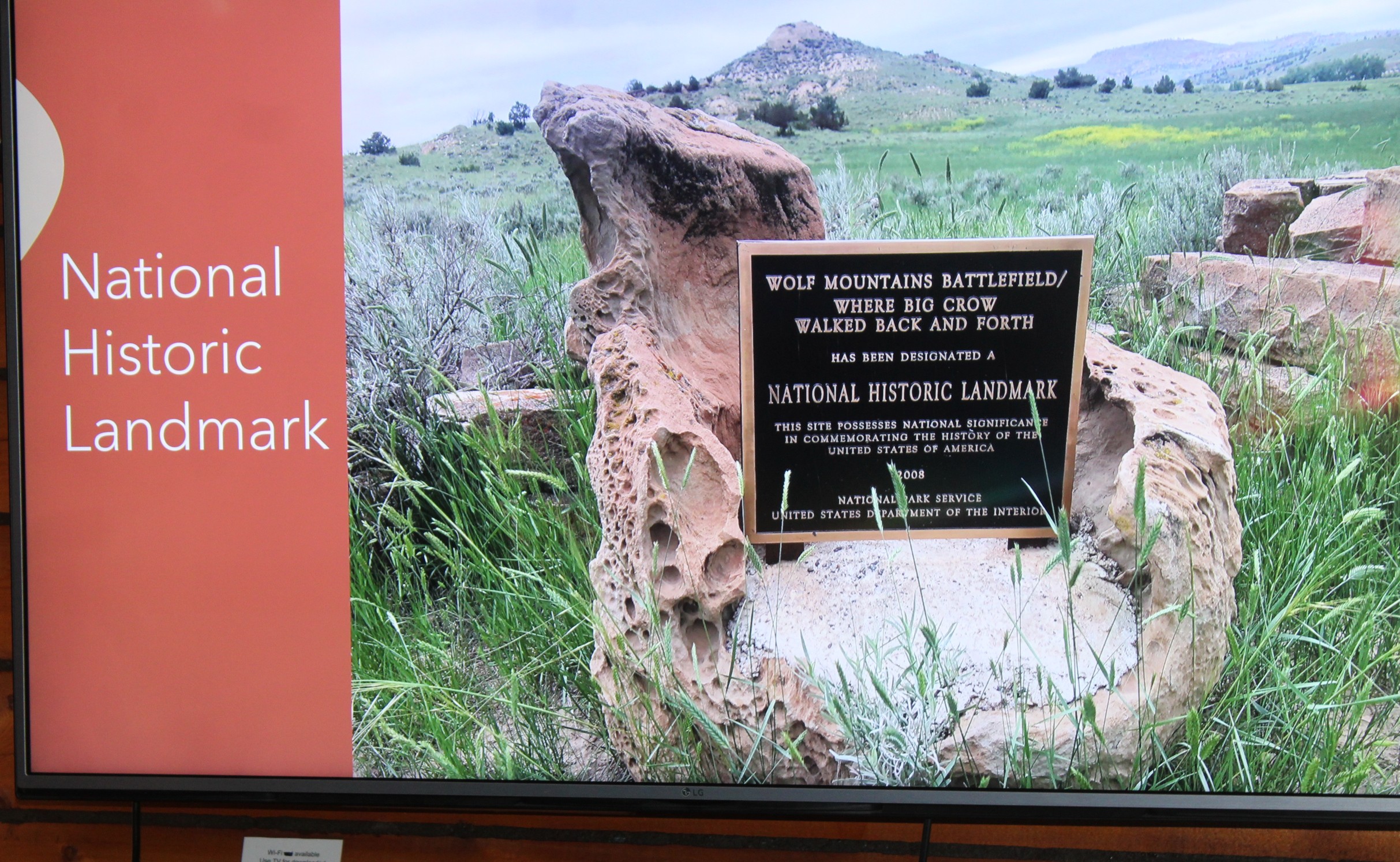
He talked about the little known ‘Battle of the Butte,’ also called the Wolf Mountains Battle, near Birney, Montana.
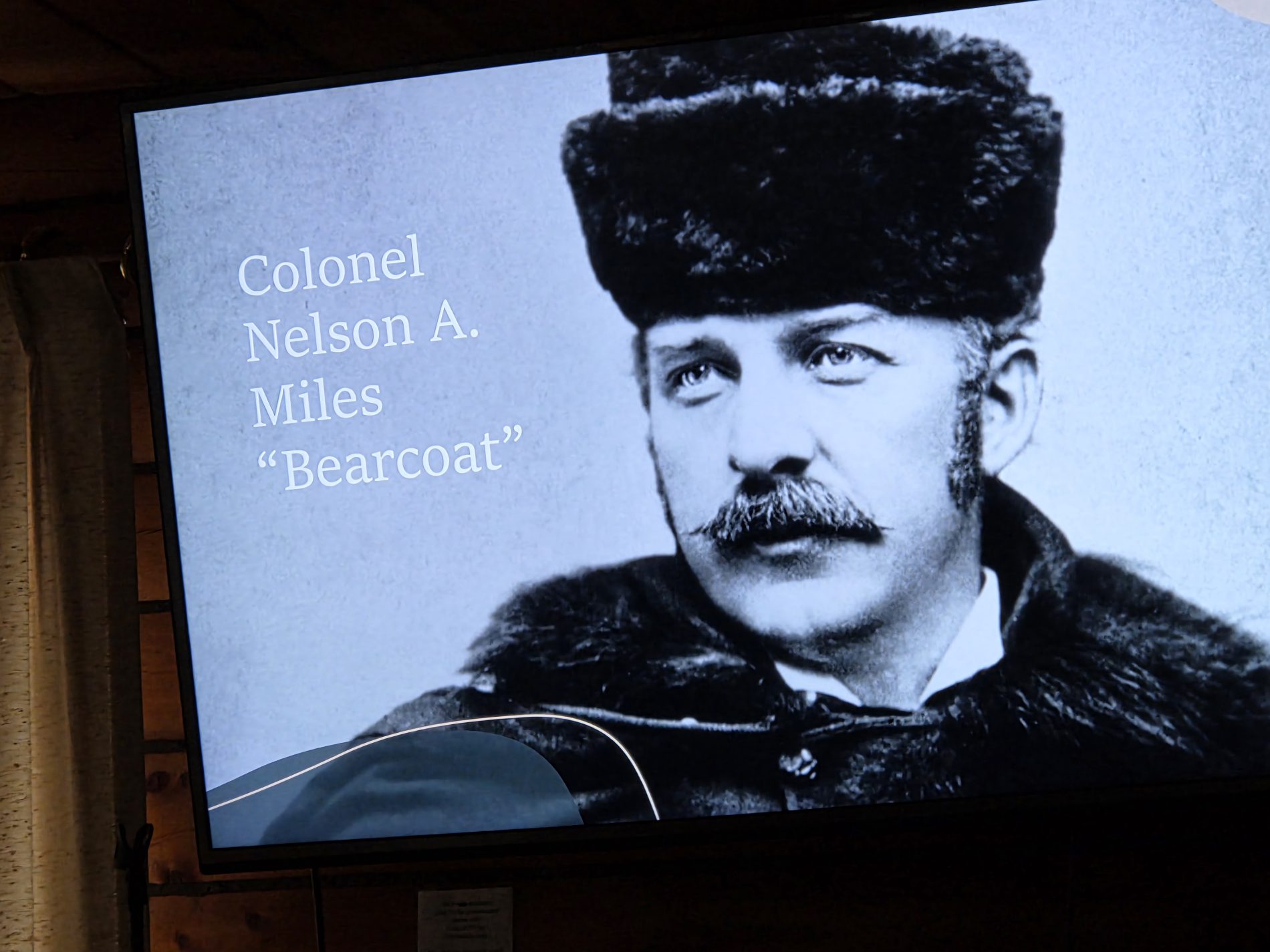
This was the last battle that the famous Sioux warrior, Crazy Horse, fought against the United States Army before he surrendered at Fort Robinson, Nebraska. Colonel Nelson Miles, with the U.S. Army’s Fifth Infantry with 436 men, fought the combined Sioux and Cheyenne force numbering nearly twice that.

He said many historians had no military experience and didn’t take into account some of the events that occurred at the time of the battle.
The battle was fought four miles south of Birney, Montana on the Tongue River, in what was almost one of the last major battles of the Great Sioux War. Dunning gave a little background on the events that occurred before the battle.
General Sheridan liked the idea and created the Yellowstone Command with Fort Keogh at mouth of the Tongue River and Fort Custer mouth of the Big Horn River. He gave Miles complete control of the Yellowstone district.
The Battle was misnamed ‘The Battle of the Wolf Mountains’ because Miles’ report said he was approaching the Wolf Mountains. Local Birney residents call it ‘Battle of the Butte,’ and the Northern Cheyenne named it the ‘Battle of Belly Butte.’
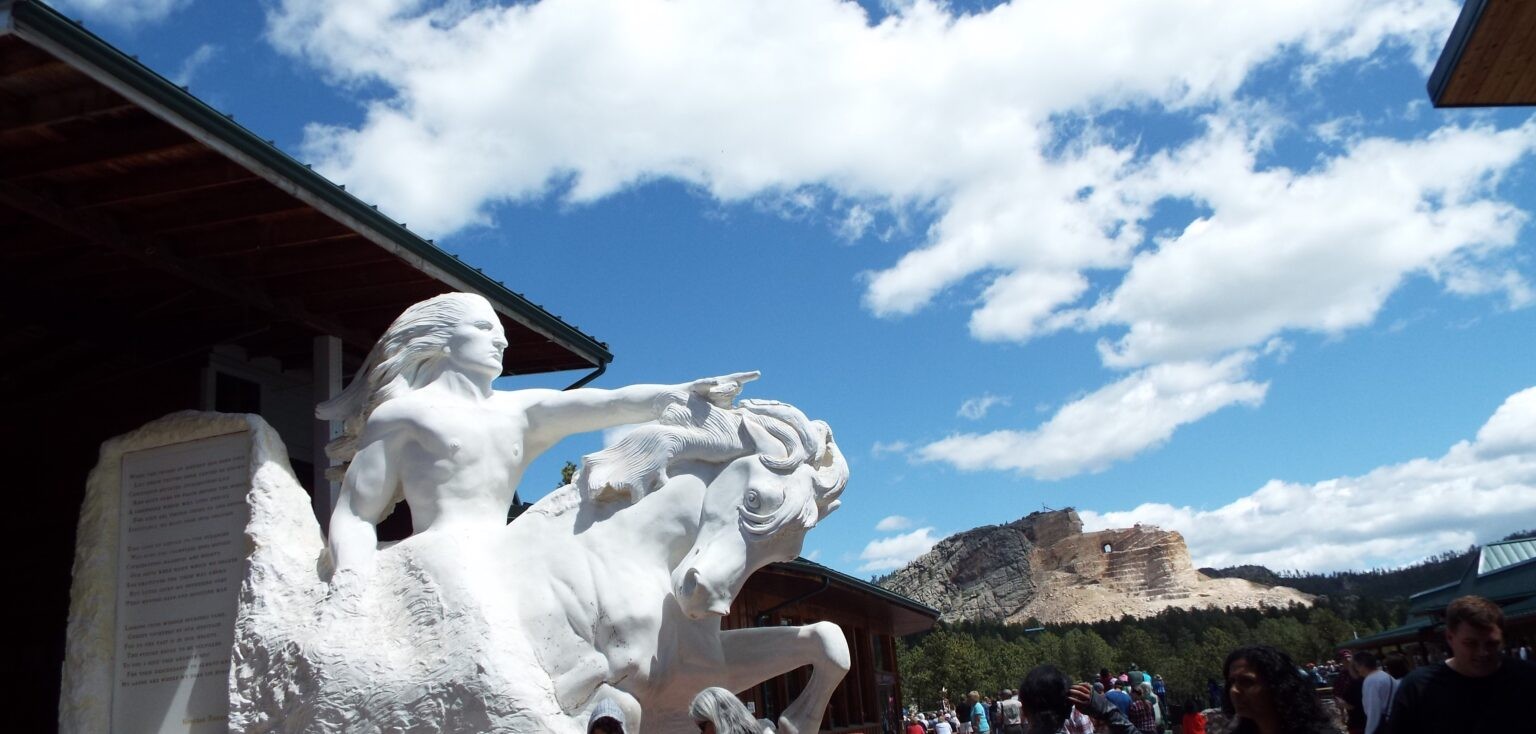
Dunning talked about the defeat of Sitting Bull and the surrender of many of the Sioux in Oct. of 1876. After that, Colonel Miles then turned his attention to Crazy Horse.
Before the battle, in December of 1876, Crazy Horse sent several warriors, under a flag of truce to Fort Keogh, to talk peace terms. However, several new Crow scouts fired on the Sioux, and then Crazy Horse forbade any further peace talks. He then sent a group of decoys out to run off the fort’s beef herd, hoping to lure some soldiers into an ambush, and to have the beef for his own village.
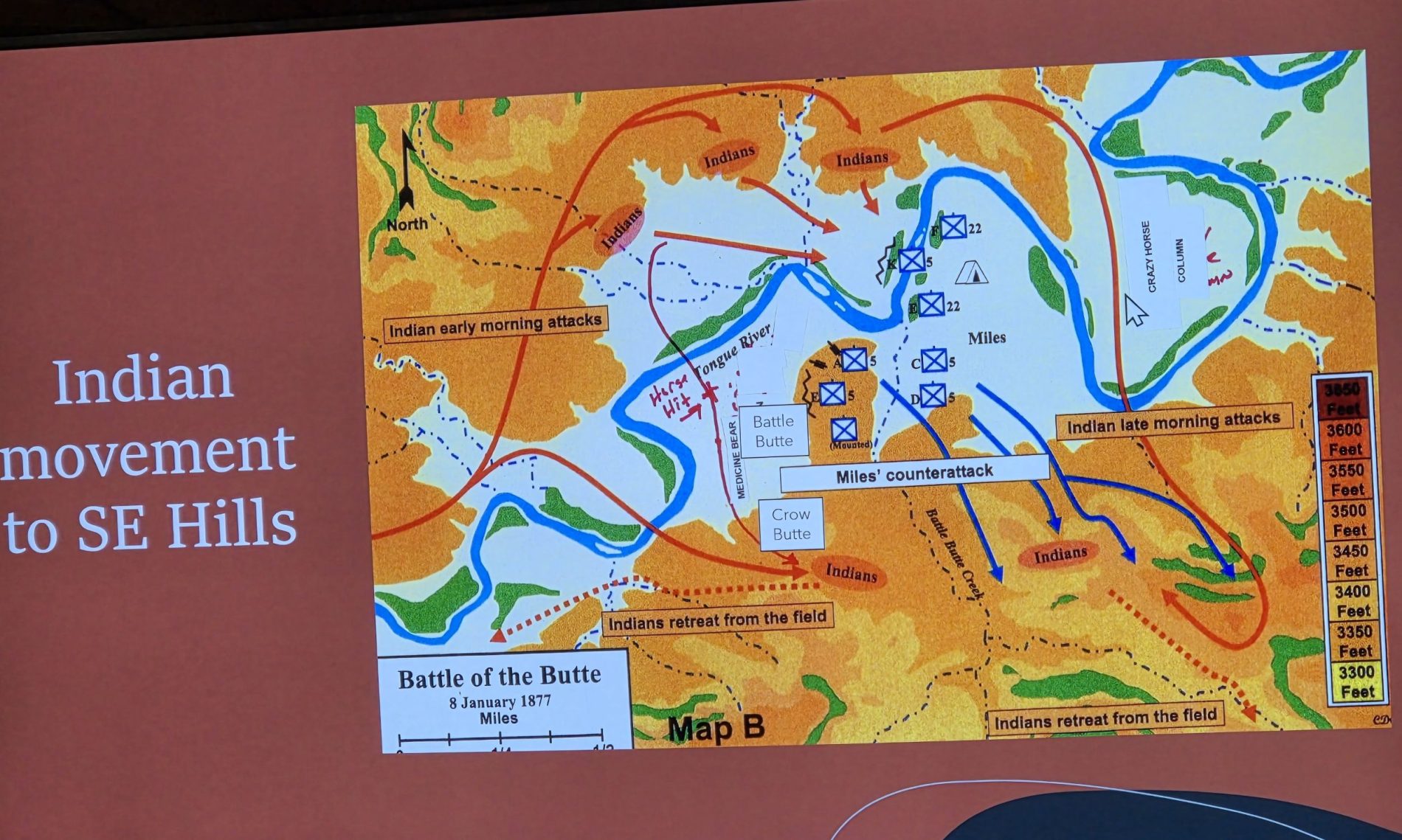
The decoys not being successful, the Indians then attacked the army on Jan. 7 and the battle continued for two days. Winter weather being what it was, much of the time the soldiers had to contend with deep snow and iced-in rivers.
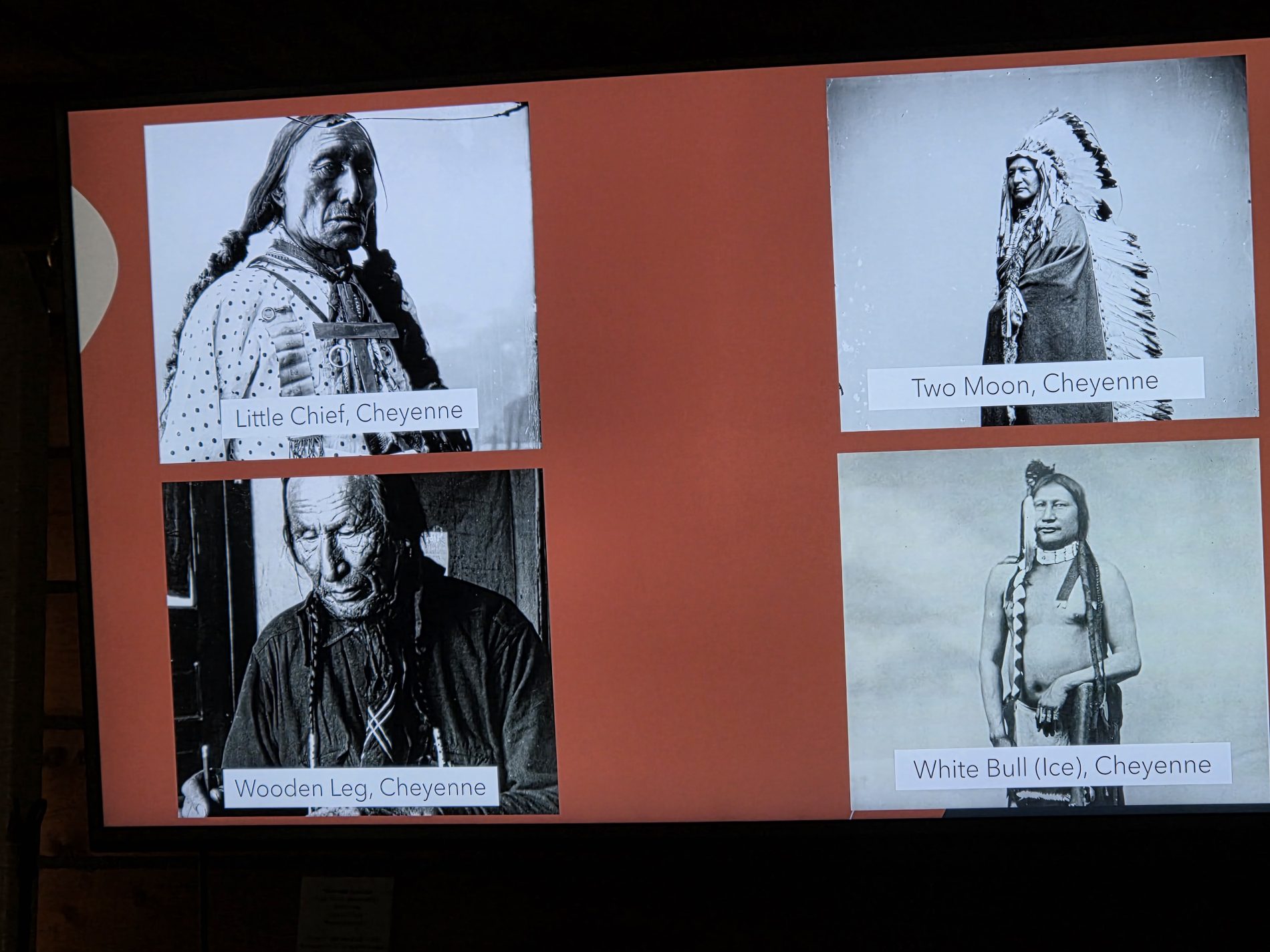
The battle continued all day with neither side gaining any significant advantage. One Cheyenne leader, Big Crow, taunted the soldiers believing that his medicine was powerful enough to keep the bullets from killing him. This was not the case.
The weather continued to worsen, and although the Sioux continued the fight, the Army was better protected from the elements than the Sioux warriors were.
The Sioux finally withdrew, and Miles declared victory. Indian losses are unknown, but the Army only lost three men, with another eight wounded. Soon after the battle, Crazy Horse and his warriors surrendered, and the Sioux Wars of 1876 were pretty much over.
The presentation included a slide show with maps of the battlefield and pictures of many of the main fighters in the battle.