News
G&F Monitors Habitat Conditions – Science-based Management Focuses On Resilience Amid Record Dry Winter

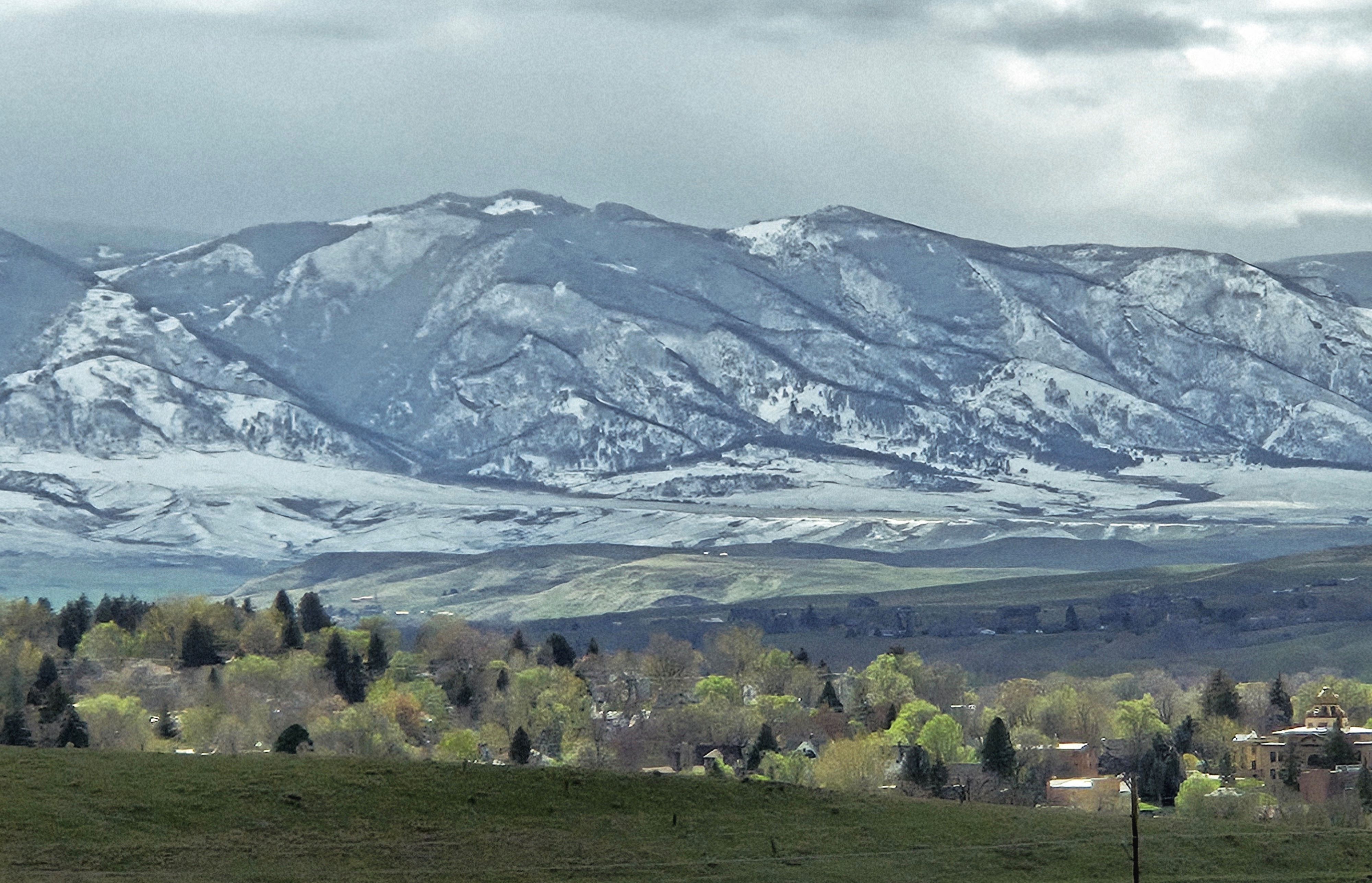
After a winter of record-breaking low precipitation and unseasonably high temperatures, the Wyoming Game and Fish Department is closely monitoring landscape conditions across the state. As the managers of Wyoming’s wildlife, the department is monitoring how these habitat conditions will influence wildlife and is taking proactive steps to protect the resources held in the public trust.
The lack of persistent snowpack at almost all lower elevations in the state has led to an unseasonably early green-up in many regions. While this provides immediate forage for animals coming out of winter, the primary concern for biologists is the duration of this high-quality forage. Without supplemental spring rain, soil moisture may be depleted before the peak nutritional needs of lactating females and growing young are met. Survival of these young animals is the primary driver of population growth and sustainability. Wetlands and riparian areas are expected to see lower-than-normal water levels.
As for the Sheridan region, the Game Fish states that the region is currently experiencing an unusually mild and dry weather cycle, characterized by record-high winter temperatures and significantly below-average snow accumulation in the Bighorn Mountains. While some areas affected by the 2024 Elk Fire have shown favorable perennial grass regrowth and strong root structures, in other parts of the region a lack of heavy snow has left last year’s vegetation standing rather than flattened.
This has resulted in an accumulation of dry, standing fuel across northeast Wyoming. Coupled with the current dry conditions, the region is facing high wildfire danger earlier in the year than typical. While some plant life is greening up ahead of schedule, prairie streams and stock ponds are entering the season at unusually low levels, which may lead to dwindling flows much earlier than normal if the dry trend continues.
The mild winter has provided a boost to overwinter survival for big game, particularly for the North Bighorn mule deer herd, where survival among GPS-collared fawns has been higher than the previous three years. However, department biologists are closely monitoring the quality of summer forage. Forbs, flowering plants that provide high-density nutrition for nursing does, rely heavily on early spring soil moisture.
A reduction in these plants could impact fawn survivability later this summer. Fortunately, residual grass cover from last year currently remains sufficient for ground-nesting birds like sage-grouse. Additionally, managers are watching for potential outbreaks of epizootic hemorrhagic disease — or bluetongue — that could occur in summer or early fall. In dry years, white-tailed deer and pronghorn often concentrate near muddy water sources, increasing their exposure to the midges that carry these diseases.