News
Preparing for the worst, tips for winter driving in Wyoming

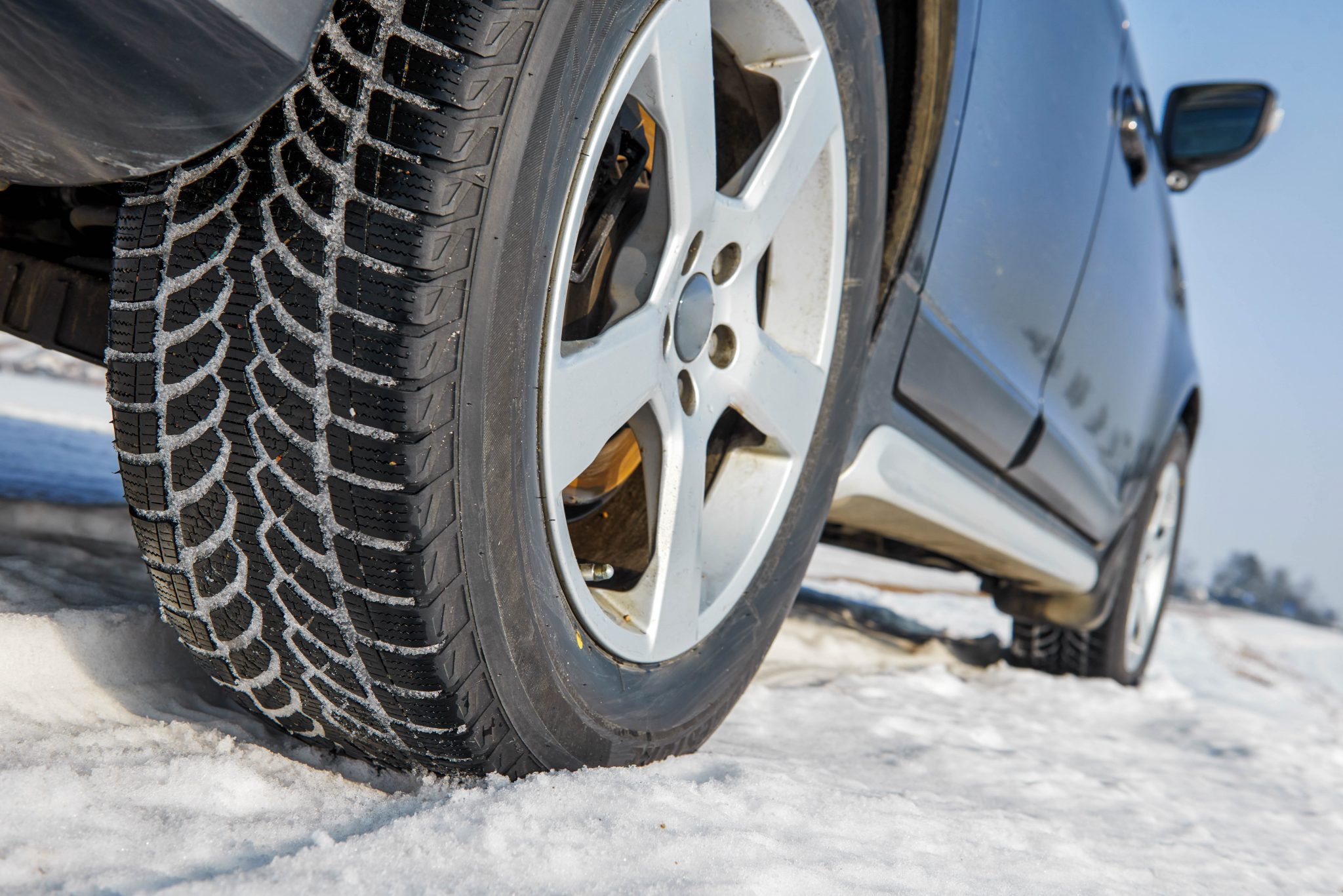
In 2018, Safewise, an online driving and home safety information resource, named Wyoming as the worst state in the United States to drive in during winter conditions.
According to the National Highway Traffic Safety Administration, 17% of all vehicle crashes happen in winter conditions. There are over 156,00 crashes annually due to icy roads.
To help keep residents safe and drive down the number of accidents in the winter, Wyoming Highway Patrol Capt. Jason Green and Lt. Erik Jorgenson informed listeners during an appearance on Sheridan Media’s Public Pulse on how to prep your vehicle before the snow flies.
According to the NHTSA some tips to preparing for winter driving include:
• Visit your mechanic for a tune-up and other routine maintenance.
• Have your vehicle checked thoroughly for leaks, badly worn hoses, or other needed parts, repairs, and replacements.
Before driving your vehicle, clean snow, ice or dirt from the windows, the forward sensors, headlights, tail lights, backup camera and other sensors around the vehicle.
• When your area gets snow, practice driving on snow-covered or icy roads—but not on a main road. Sharpen your winter weather driving skills and know how your vehicle handles in snowy conditions by practicing in an empty parking lot. See your vehicle’s manual to familiarize yourself with the features on your vehicle—such as antilock brakes and electronic stability control—and how the features perform in slippery conditions. For example, your vehicle or pedals may pulsate when controlling traction.
• For electric and hybrid-electric vehicles, minimize the drain on the battery. If the vehicle has a thermal heating pack for the battery, plug your vehicle in whenever it’s not in use. Pre-heat the passenger compartment before you unplug your vehicle in the morning.
• When renting a car, become familiar with the vehicle before driving it off the lot. Know the location of the hazard lights switch in case of emergency, and review the owner’s manual so that you’re prepared for any driving situation that may arise.
Jorgenson went on to share a list of items that motorists can place in their vehicle before long trips to use in case of an emergency.
• Snow shovel, broom, and ice scraper.
• Abrasive material such as sand or kitty litter, in case your vehicle gets stuck in the snow.
• Jumper cables, flashlight, and warning devices such as flares and emergency markers.
• Blankets and extra coats or sweaters for protection from the cold.
• A cell phone with charger, water, food, and any necessary medicine (for longer trips or when driving in lightly populated areas).
Should a motorists vehicle begin to slide, both Green and Jorgenson recommend letting your foot off the accelerator and turning into the spin.
Should the vehicle slide off of the road the NHTSA recommends:
• Stay with your car and don’t overexert yourself.
• Put bright markers on the antenna or windows and keep the interior dome light turned on allowing other motorists to see you more easily.
• To avoid asphyxiation from carbon monoxide poisoning, don’t run your car for long periods of time with the windows up or in an enclosed space. If you must run your vehicle, clear the exhaust pipe of any snow and run it only sporadically — just long enough to stay warm.