News
Horse Girl Artist Talk at Brinton

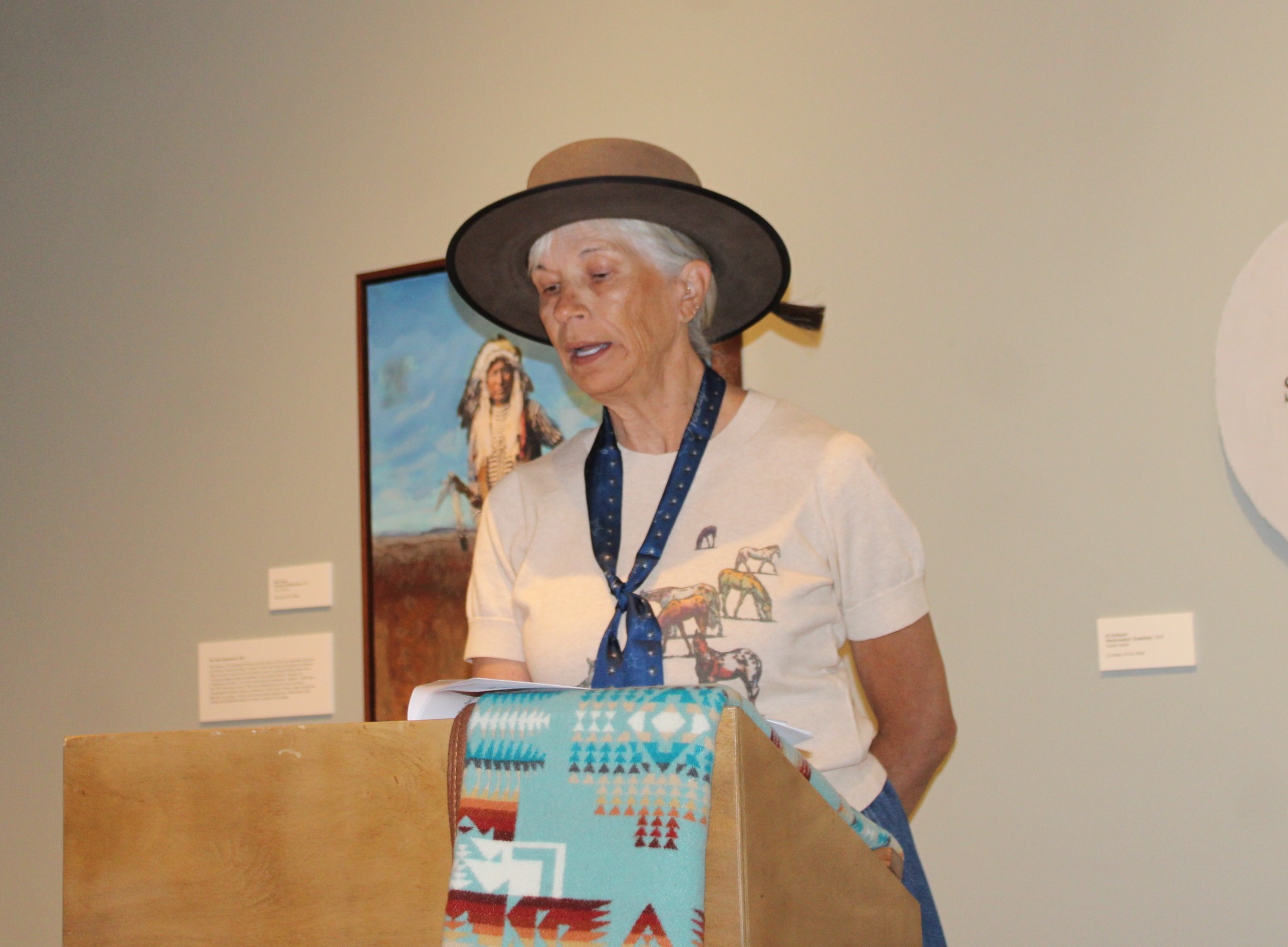
‘How a Horse Led a Comanche Home,’ was the title of a talk held on July 11 by Comanche artist Patricia Davis as a part of the Local Artist Pop-Up Shop Series at the Brinton Museum gift shop.
She talked about growing up in Wyoming, navigating her identity, and finding her way back through culture, land, and horses. She told a story of resilience, belonging, and coming home.
Rick Porter, Brinton Museum introduced Davis,
Davis had a slide show with several of her horses. One photo was of herself as a young girl, getting ready to ride in a relay race. She said her stepfather made her wear a motorcycle helmet because, she said, “Clods hurt,” referring to the clumps of dirt thrown up by the horses ahead of her in the race.
She said she had a lot of information to share about what it means to be a Comanche.
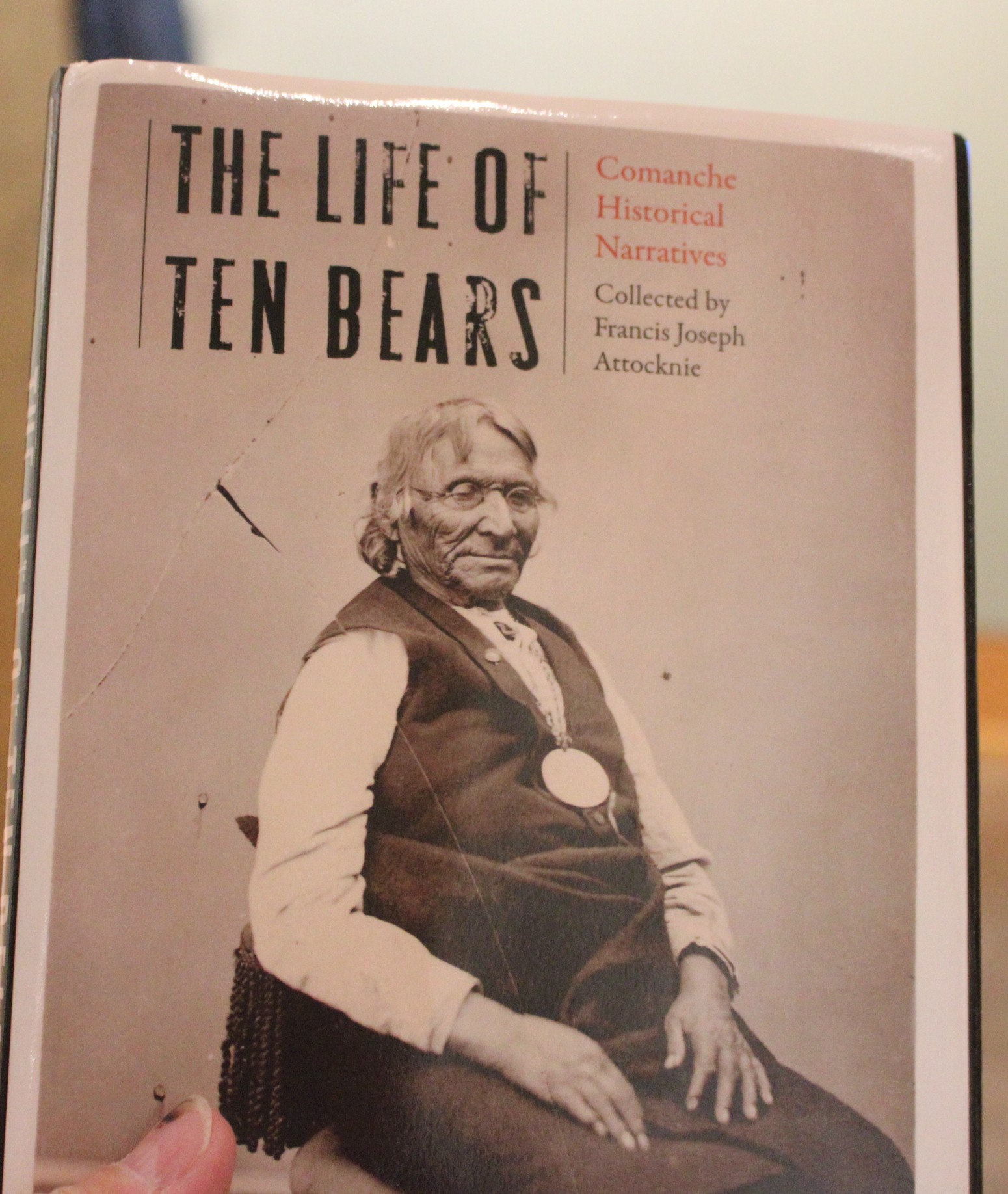
Ten Bears was a principal Comanche chief during the Battle of the Washita. Davis said that every story she is telling has been told and retold through the family.
She said that was where his name came from, the ten days he survived alone. He grew up following the buffalo She said historically the Comanche were a part of the Eastern Shoshone people, and ranged in Wyoming and Montana, along the upper Platte River.
Later, they moved to Texas looking for horses and better buffalo hunting.
Ten Bears knew war; fighting against the Osage, Utes, Texas Rangers, as well as raiding Sioux camps to revenge what they did to his family. She added that not all the Indian nations got along all the time. She said the coming of the whiteman also altered the way the tribes lived with each other and survived.
He signed the treaty because he wanted to save his people.
She said much of the family history was nearly lost, but a historian found the history and later published a book about Ten Bears.
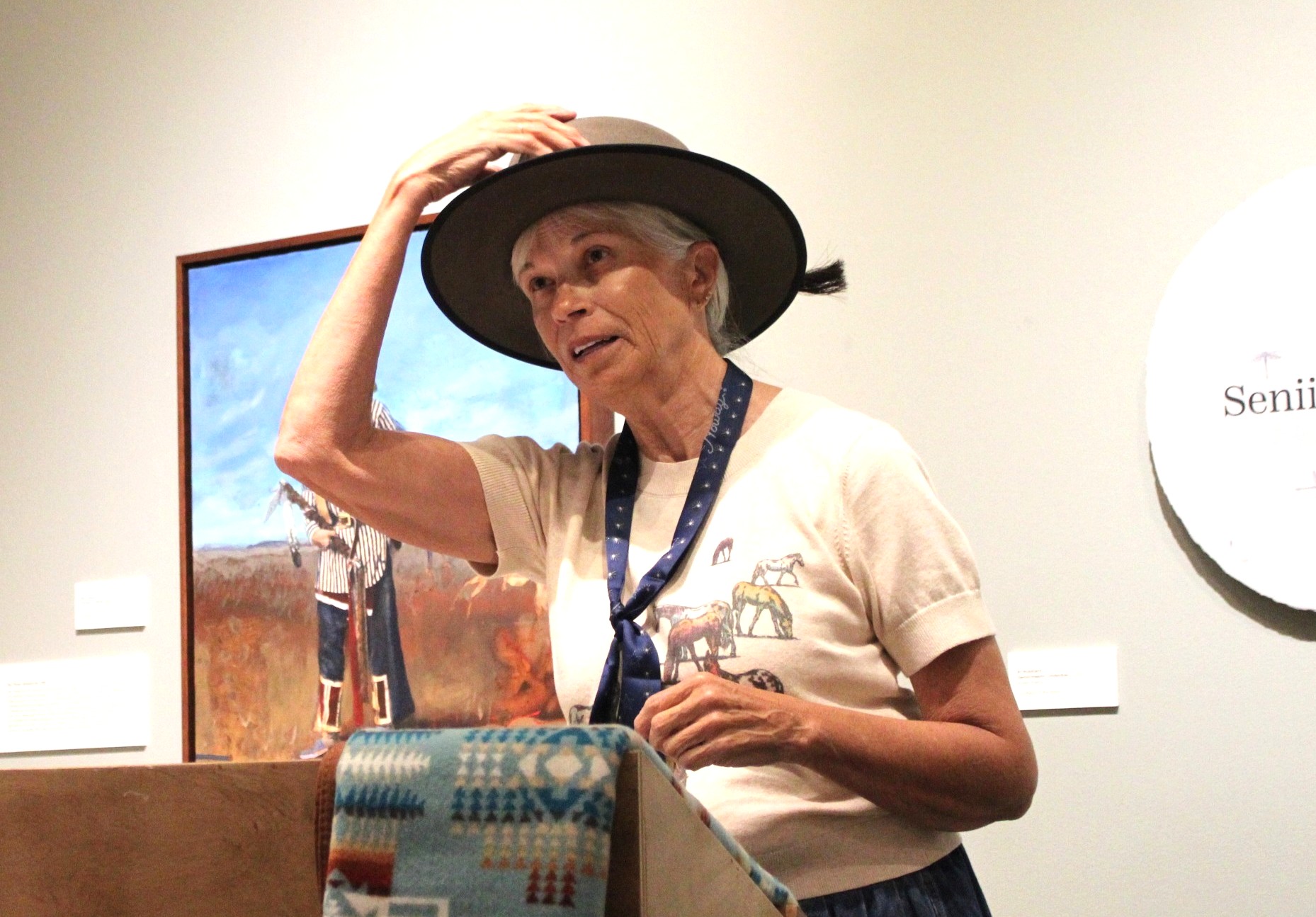
She then talked about her personal history. She grew up in Lander and Sheridan and had no idea of her Comanche heritage. Her mother did tell her she had ‘some Indian blood.’
Her stepfather had horses, and she told some personal stories about some of the notable horses in her life, and what each of them taught her. One horse was a mustang, who, after being ridden for several years, escaped and went back to his wild ways, and was never found.
She said when she was 25, she found her Comanche father living on the Kiowa reservation in Oklahoma. She said “I saw him through my eyes, not through my mother’s eyes.”
She added that she does her artwork because that is how she shares joy. She said this about her horses growing up.
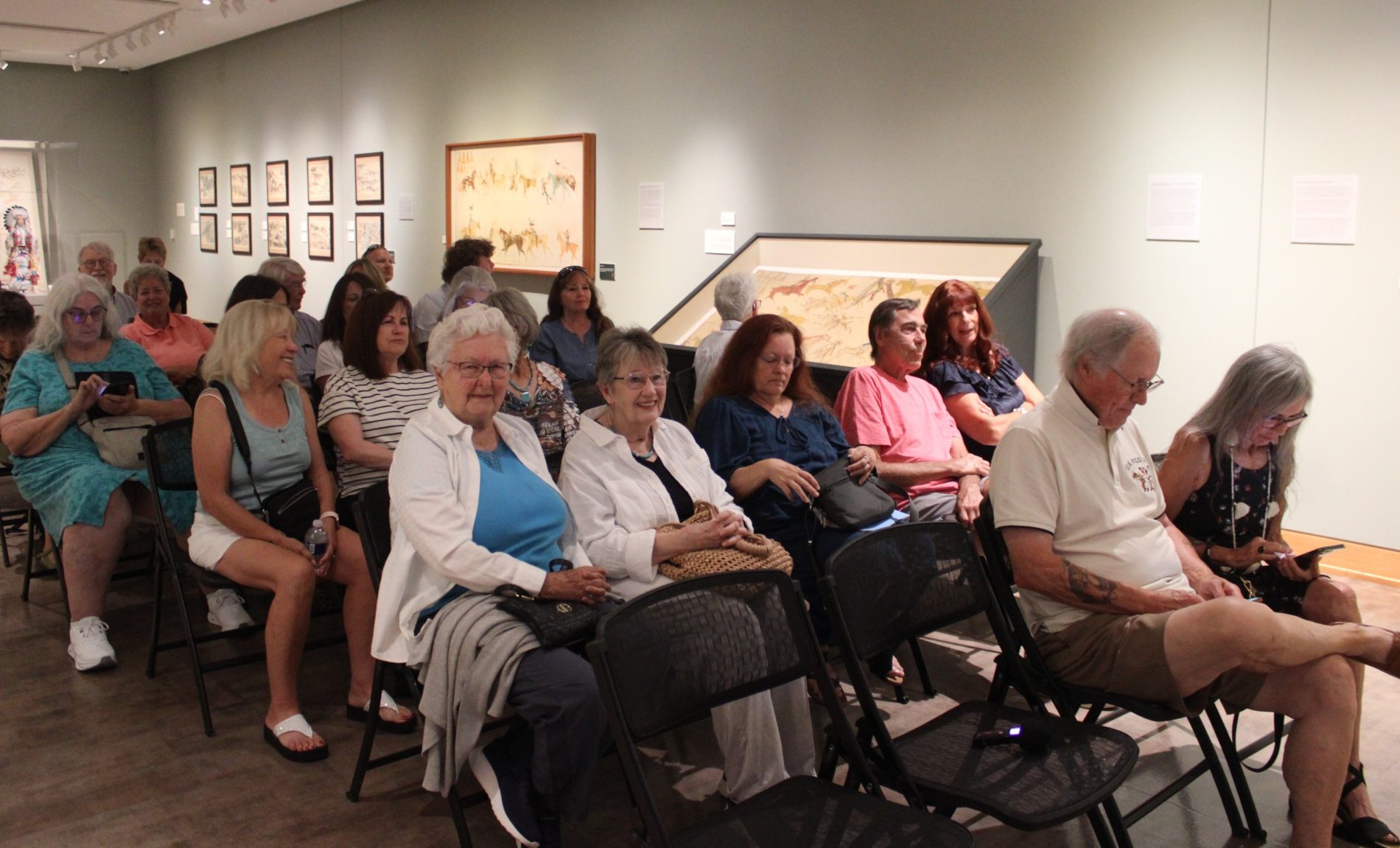
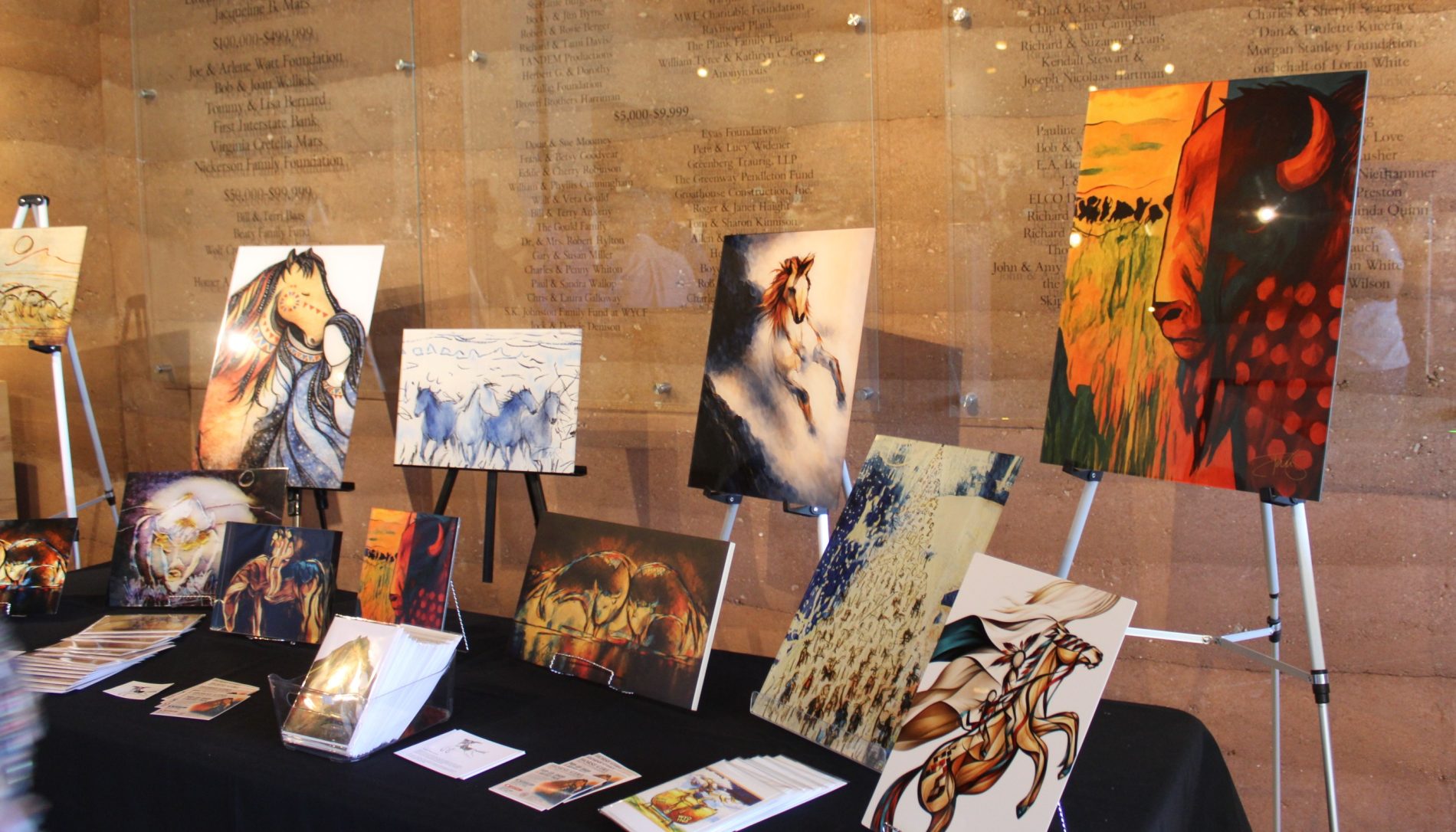
Over 50 people attended the talk, which was held in the Johnson Gallery at the Museum. Davis’ artwork was available for sale in the museum lobby after the talk.