News
Brinton Program on Indian Pictorial Art and History

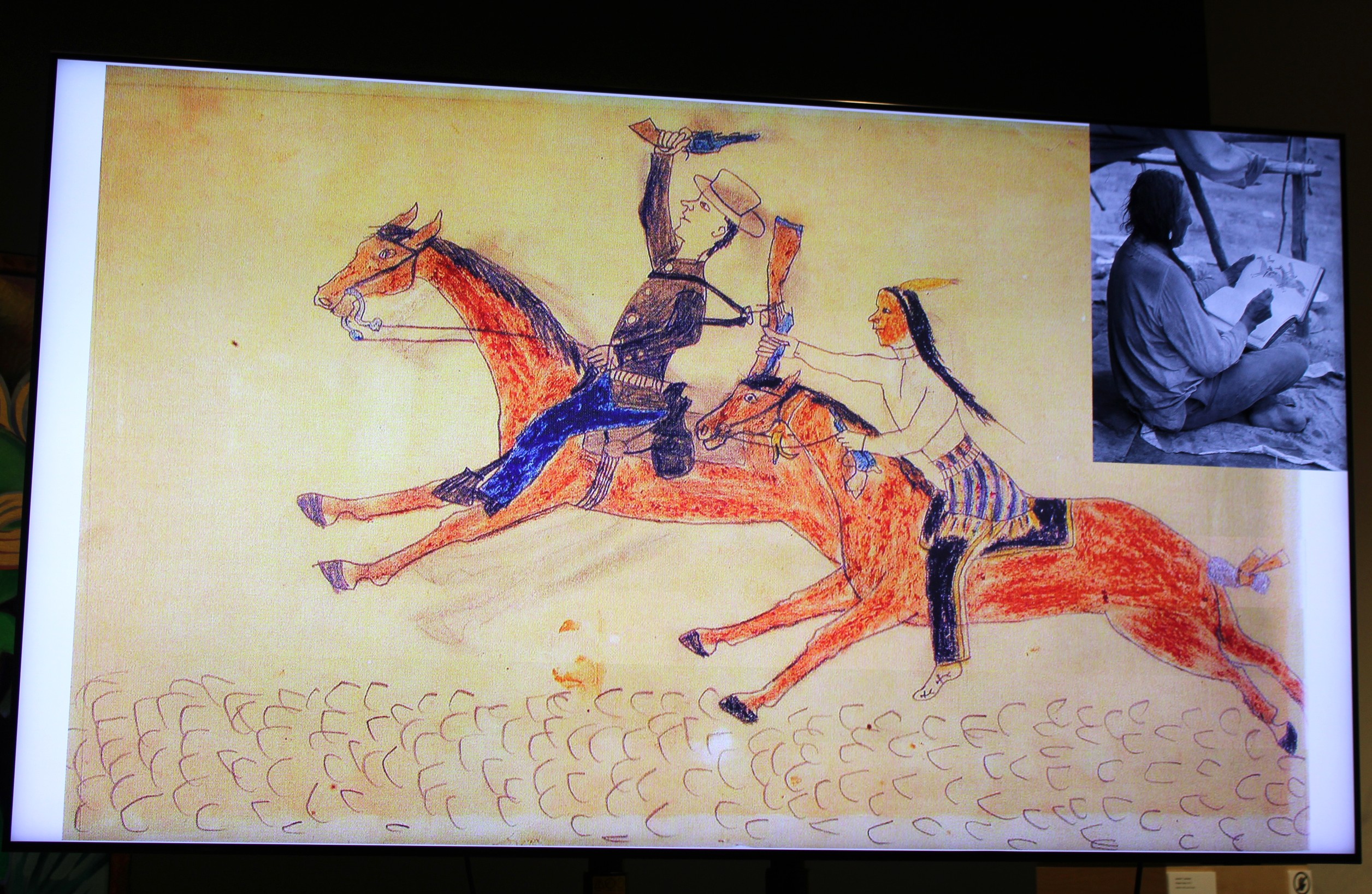
Is art just art, or can it be a pictorial account of a historic event? That is the question that Rodney G. Thomas, Colonel, U.S. Army (Retired), discussed in his recent lecture, “The Picture is the Rope: Listening to the Strands” held on June 18 at the Brinton Museum.
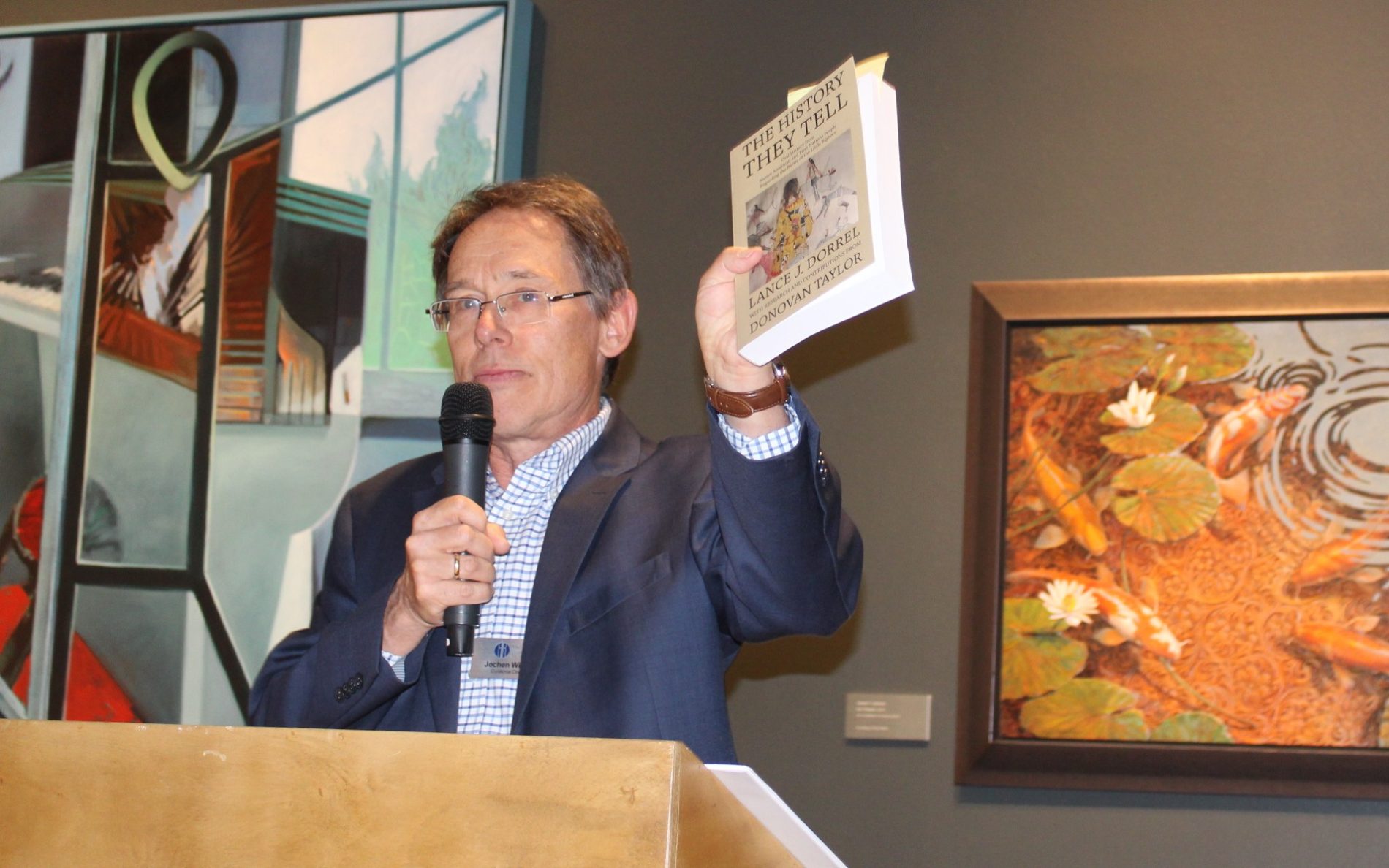
Curatorial director Jochen Wierich welcomed the crowd.
Wierich added that he could not have curated the exhibit without help. He said that Col. Thomas’ books, some of which are available at the Brinton book store were invaluable to him, and Col. Thomas was always available to consult by phone as well.
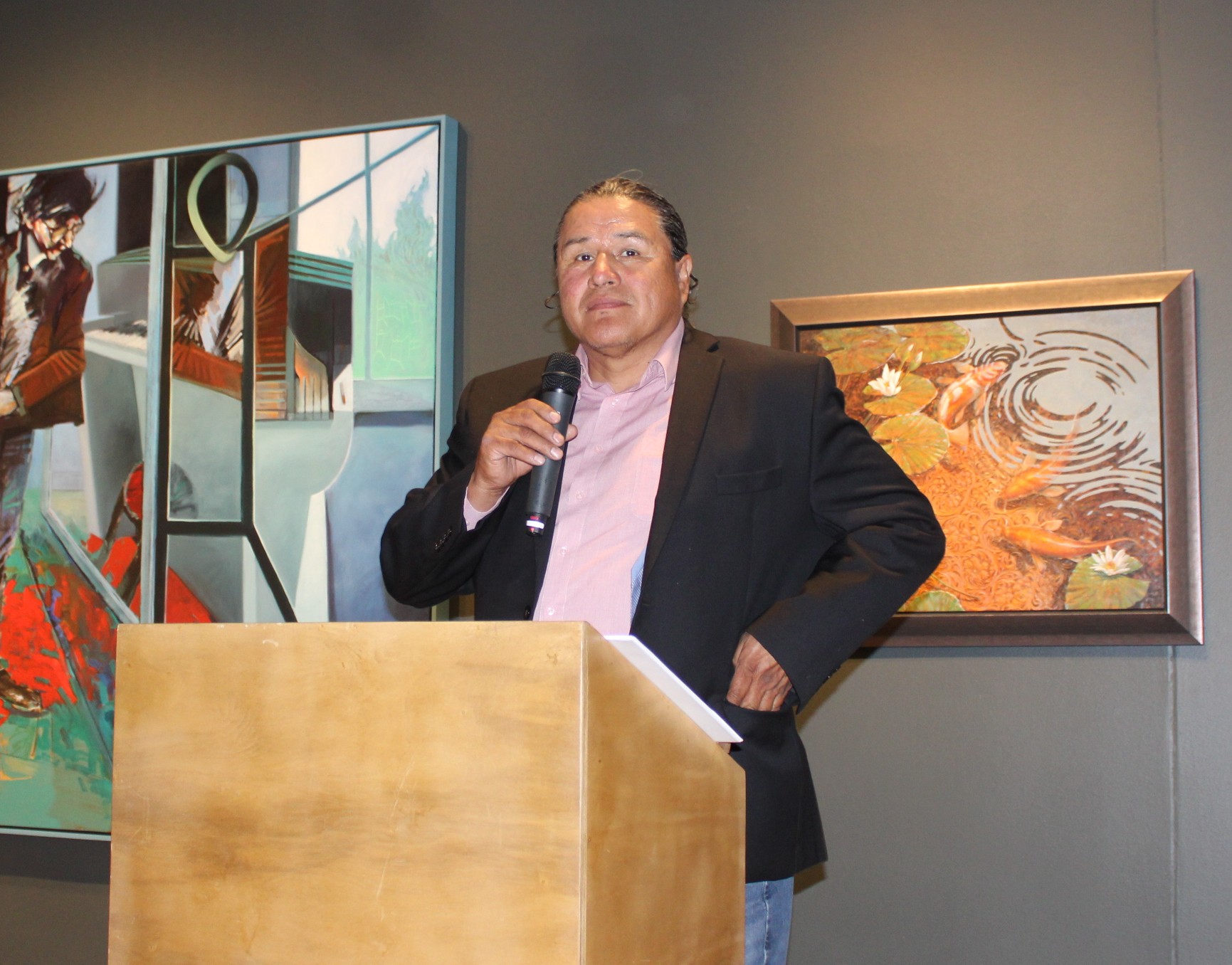
Before Col. Thomas’s talk, Wierich introduced Donovon Taylor of the Northern Cheyenne tribe, who gave a blessing.
Taylor was also a contributor and researcher for the book, The History they Tell by Lance J. Dorrel. Taylor said a prayer and sang a small prayer song.
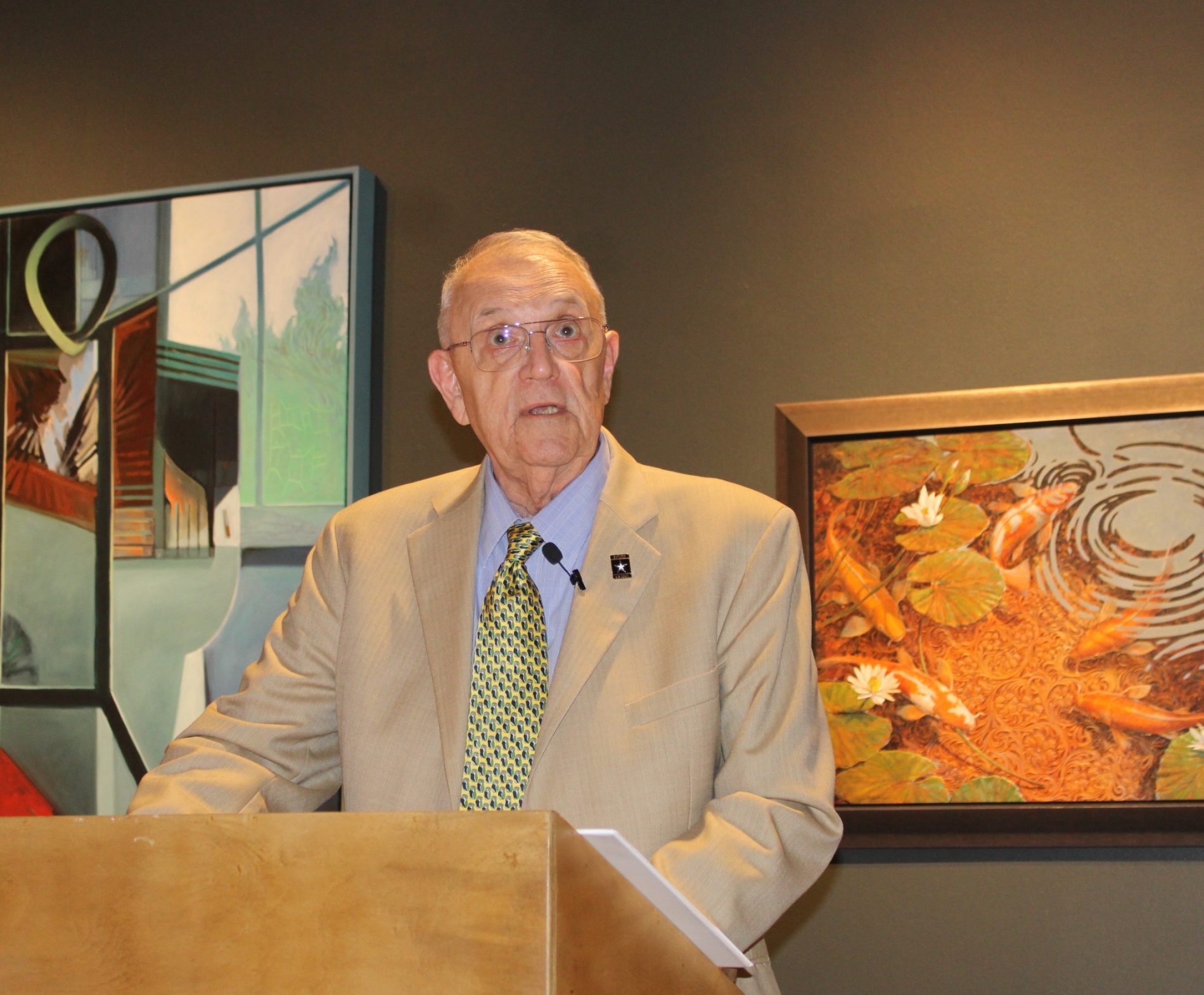
In this talk, Rodney G. Thomas explored how Native pictographic artworks documenting the Battle of the Little Bighorn function as historical records as well as works of art.
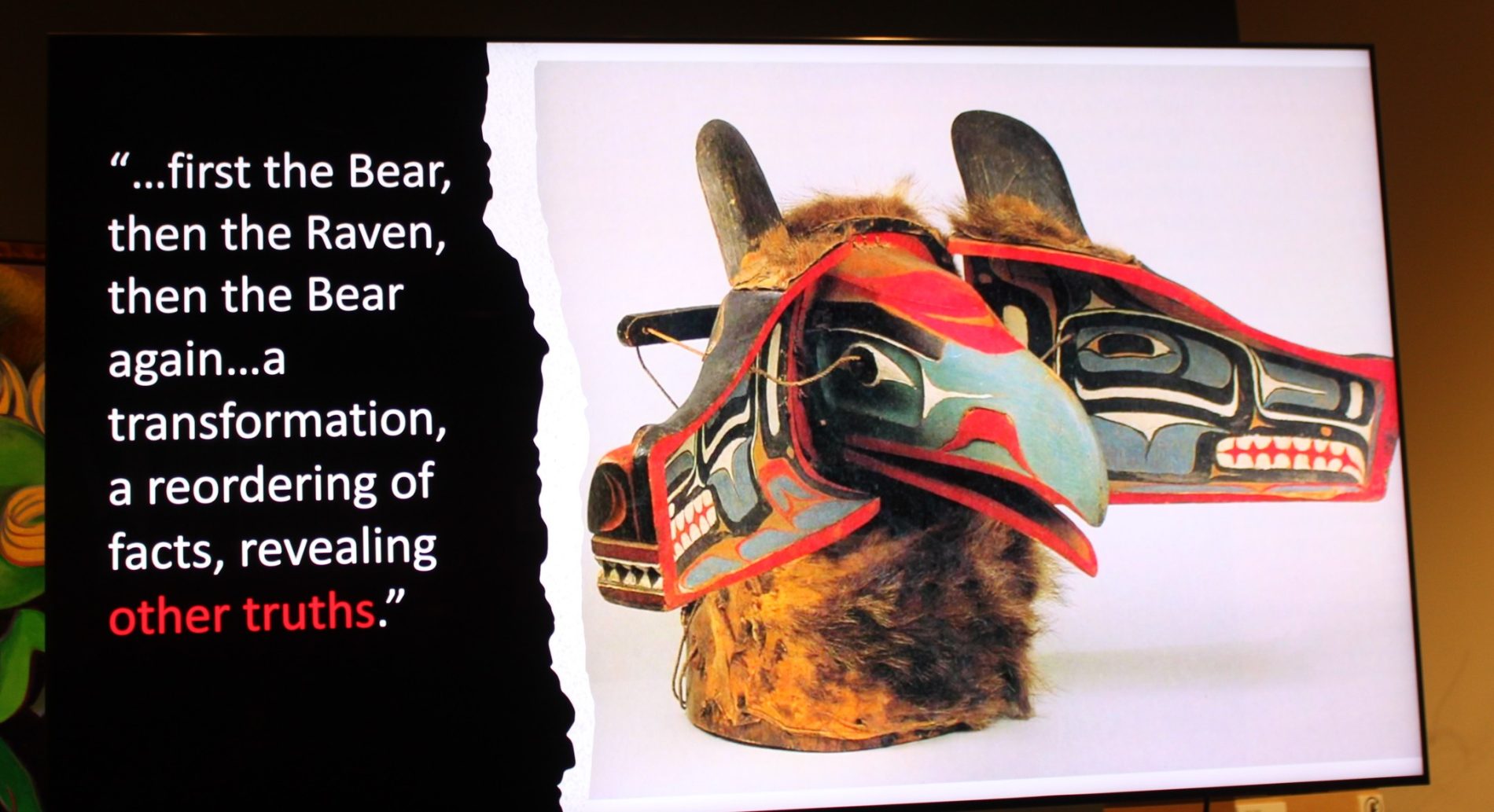
When Thomas began his talk, he said that the curator of Indigenous art at the Crystal Bridges Museum in Arkansas noted that by platforming Native American art, it doesn’t only change the story of art history, it transforms the way people see and understand this country.
The lecture also provided a brief overview of the battle itself, establishing a shared understanding of the key events, locations, and outcomes of the fighting.
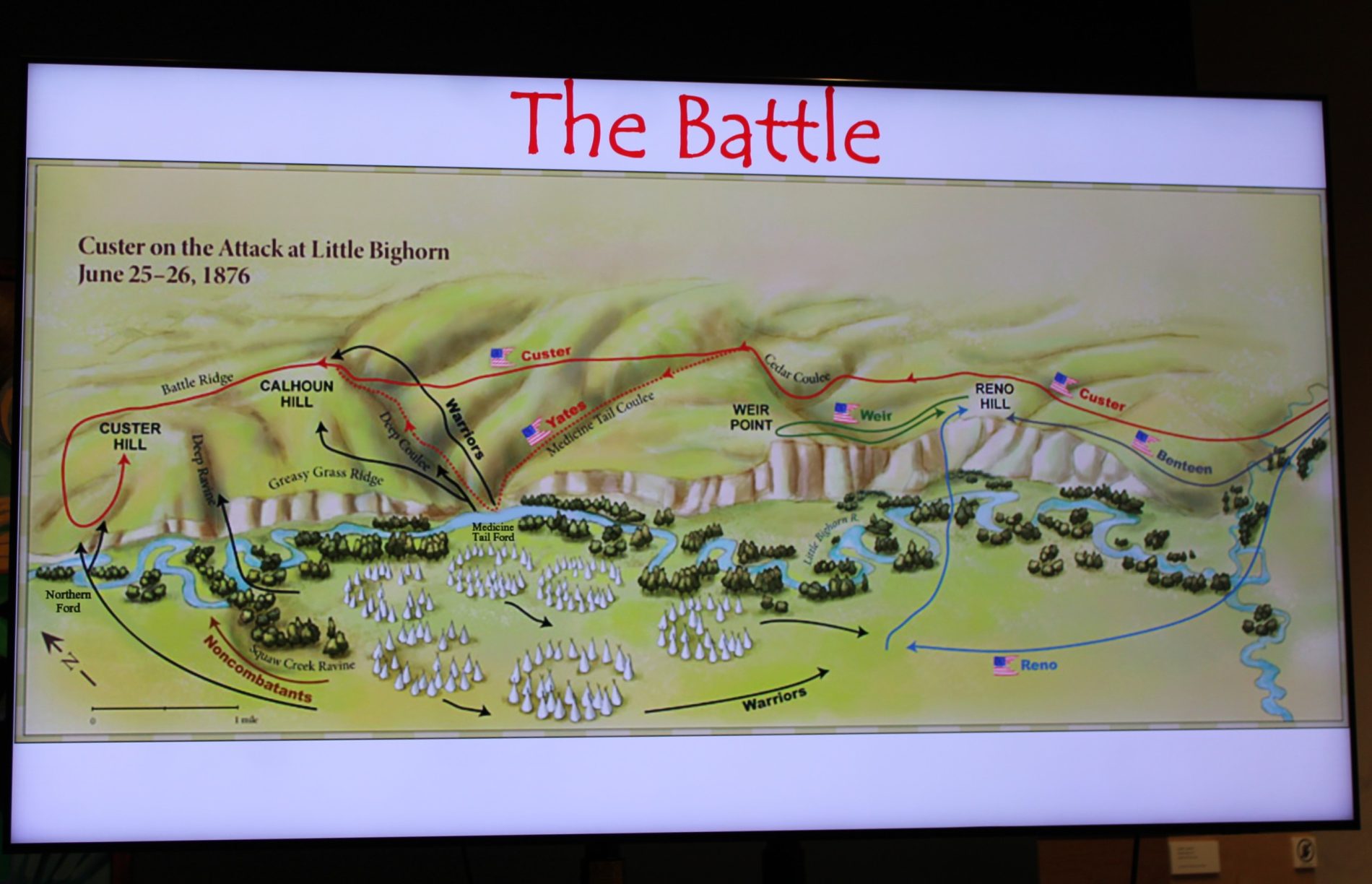
Thomas said he wanted to make sure that everyone had a common reference to the battle,
He started by talking about the soldiers reports of the battle, and what Custer did at the fight.
From there, the program examined how native artists recorded these moments visually, preserving testimony and experience through pictographic illustration.
He skipped ahead to July 1930, when two young women in a model T Ford, came to Montana on a summer tour. Eleanor Hinman and Mari Sandoz met up with another friend who was researching a ledger book of Amos Bad Heart Bull of Lakota history.
Hinman’s professor was instrumental in having the ledger book photographed for publication. Mari Sandoz later used the much of the research in her book, Crazy Horse, Strange man of the Oglalas.
Thomas added it was by sheer chance that he found a copy of the ledger book, which introduced him to the Native American artwork. He said that Mari Sandoz wrote the introduction, and in it she said, The Teton Sioux say that ‘People without a history are like the wind on the buffalo grass.’
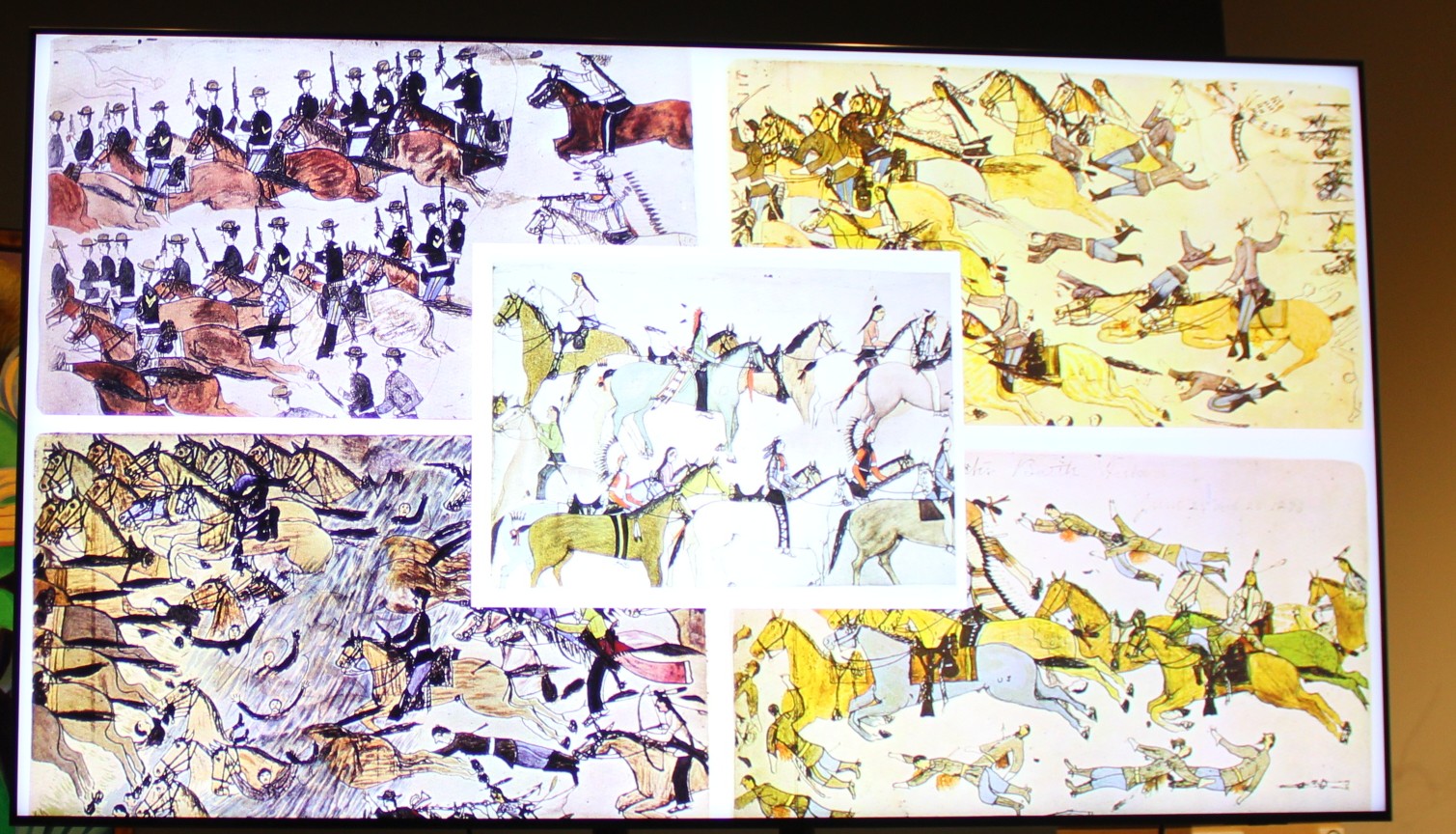
Thomas said that much of the history that was captured in pictures of hunting scenes, prowess in battle, and cultural ceremonies.
He said that the art tells us who did it and why. Artists would depict four facts in the paintings – who the hero was, who the enemy was, what the odds were and what the outcome of the encounter was. That is what is being told in the Native American paintings of the Custer battle.

The Sioux and Cheyenne were not the only ones to paint the battle. Thomas talked about White Swan, who was a Crow scout at the Custer battle.
He had this to say about the Battle of the Little Bighorn.
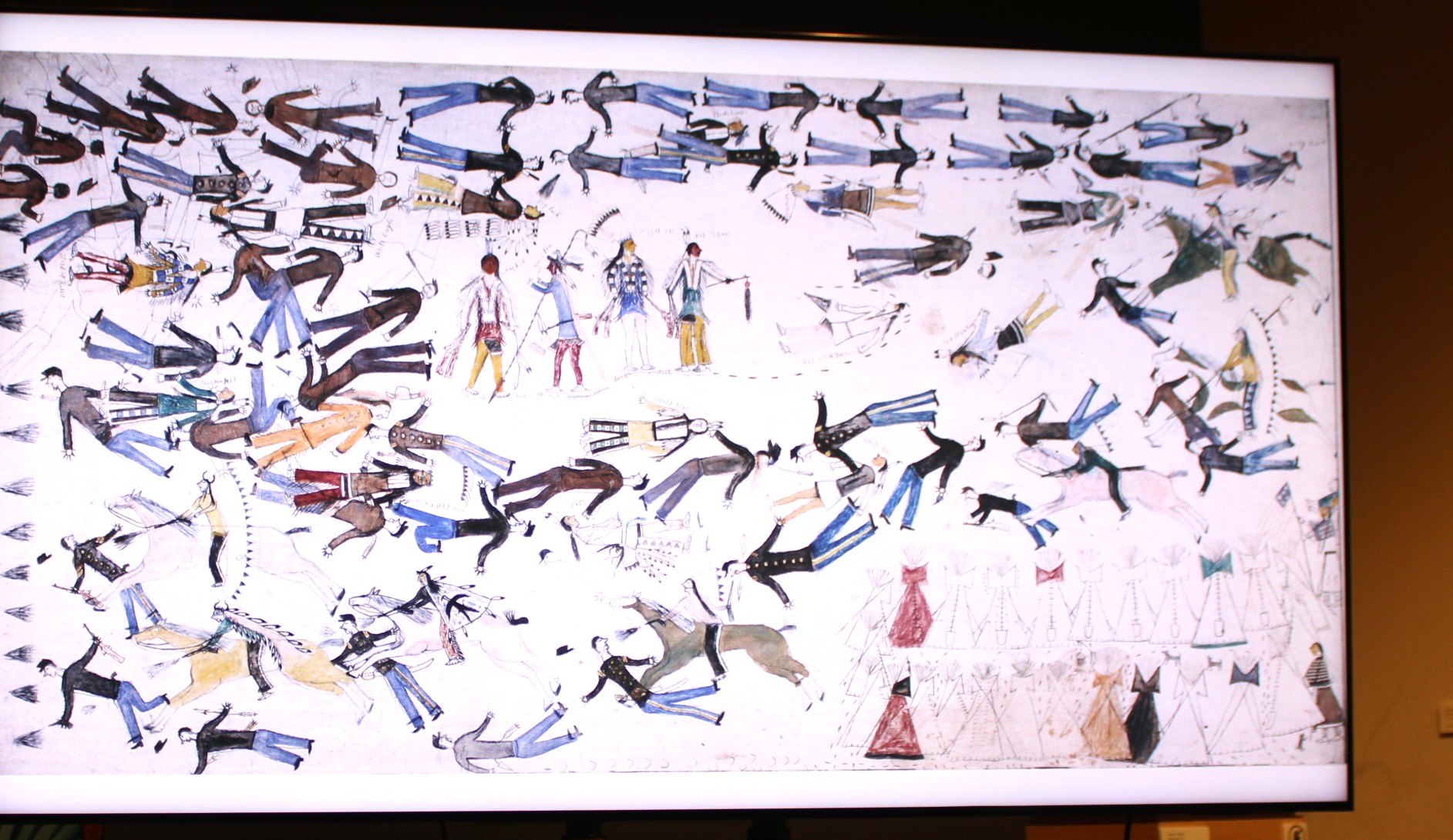
He said that for years these pictures were not considered to be history, because history has to be written. He added that a great deal of Native American ledger books and winter count buckskins were destroyed throughout the years, and much history has been lost.
Some of the books and paintings are also in the hands of private collectors, and no one knows where they are.
By exploring both the historical context of the battle and the artistic traditions used to depict it, this program invited audiences to better understand the people behind the artwork and why the story of the Little Bighorn remains, in many ways, unfinished.
This artwork is on display at the Brinton until September 14. Admission is free.