News
Donovin Sprague Gives Talk About Wagon Box Fight

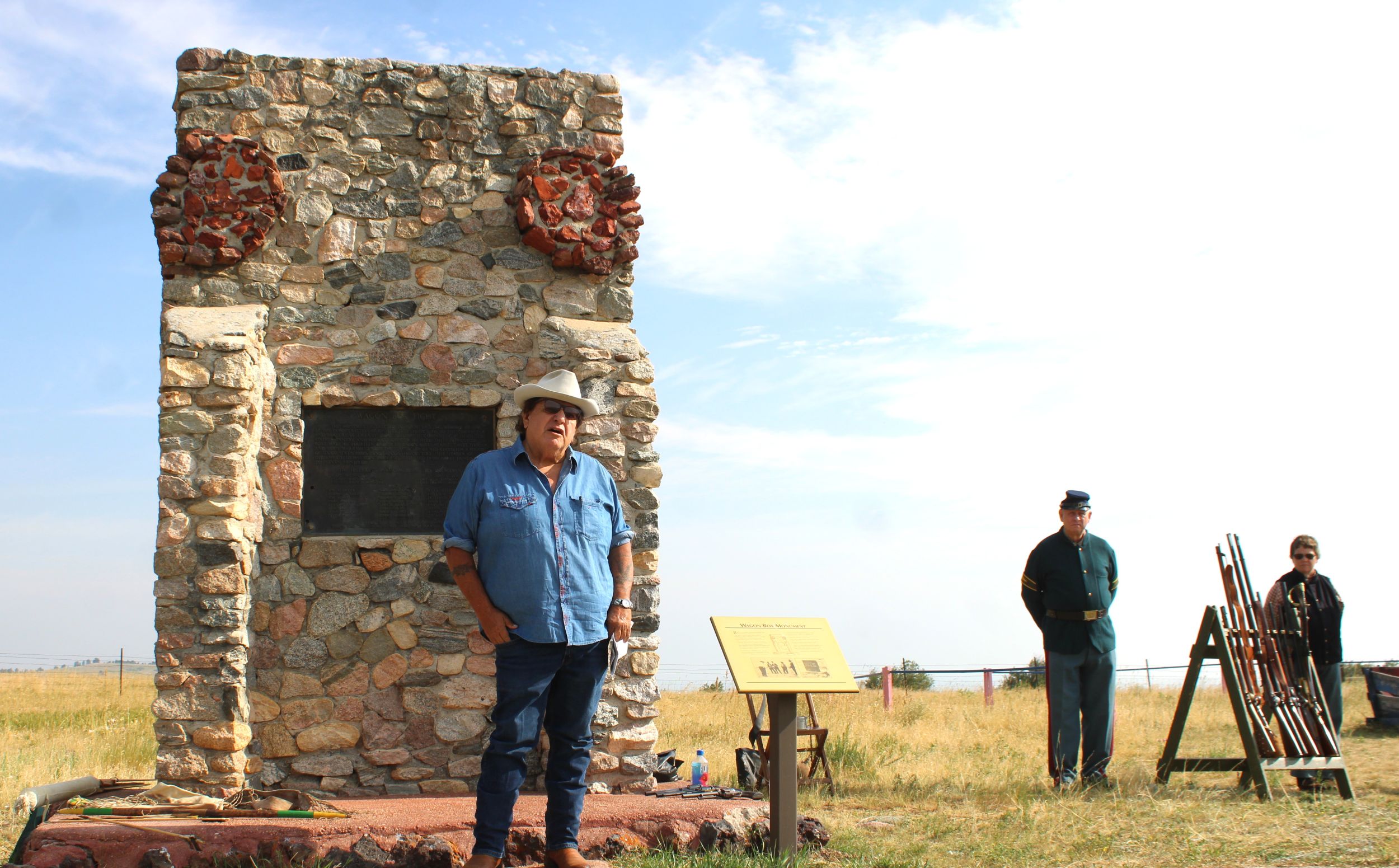
On the second day of August in 1867, twenty-six soldiers and six civilians who were sent from Fort Phil Kearny to cut wood, were attacked by several hundred Sioux warriors. The engagement is known as The Wagon Box Fight, or, as the Indians called it,They Surrounded the White Tents.
In commemoration of the event, on Sunday, August 2nd, Donovin Sprague, Lakota historian and author, presented a program about the fight.
Joann Puckett, of the Fort Phil Kearny/Bozeman Trail Association welcomed the crowd and introduced Sprague. He is the author of ten books in American Indian studies, including his forthcoming manuscript High Backbone and Crazy Horse: Lakota-Cheyenne History from a Family View.
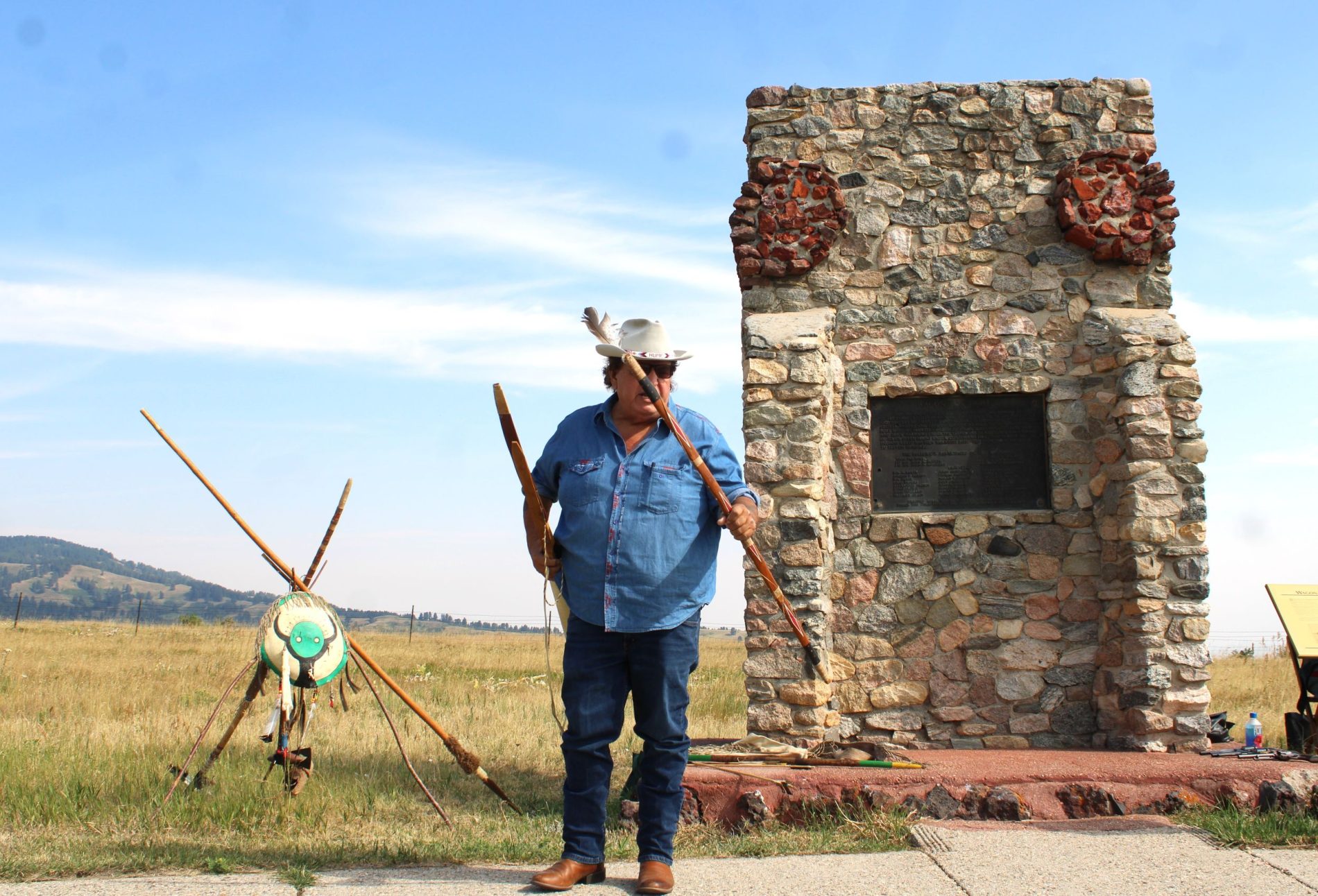
Sprague then welcomed the crowd.
He then talked about how this year is the 150th anniversary of the Custer Battle, and it also the 159th anniversary of the Wagon Box Fight, and the 160th anniversary of the Fetterman Fight, which was fought on December 21 in 1866.
He mentioned the various tribal groups of the Sioux that were at the battles, and how they planned the attacks on the soldiers at Fort Phil Kearny and Fort C.F. Smith in Montana.
This was the first time the tribes had a coordinated effort to hit two army installments at once, to create as much confusion as possible. On August 1, 1867, the Sioux hit a group of soldiers and civilians when they went out from the fort to cut grass to make hay for the livestock. It was called the Hayfield Fight. Like the Wagon Box Fight the next day, the soldiers were armed with the new breech-loading rifles, which helped them hold off the warriors until help arrived with the Howitzer.
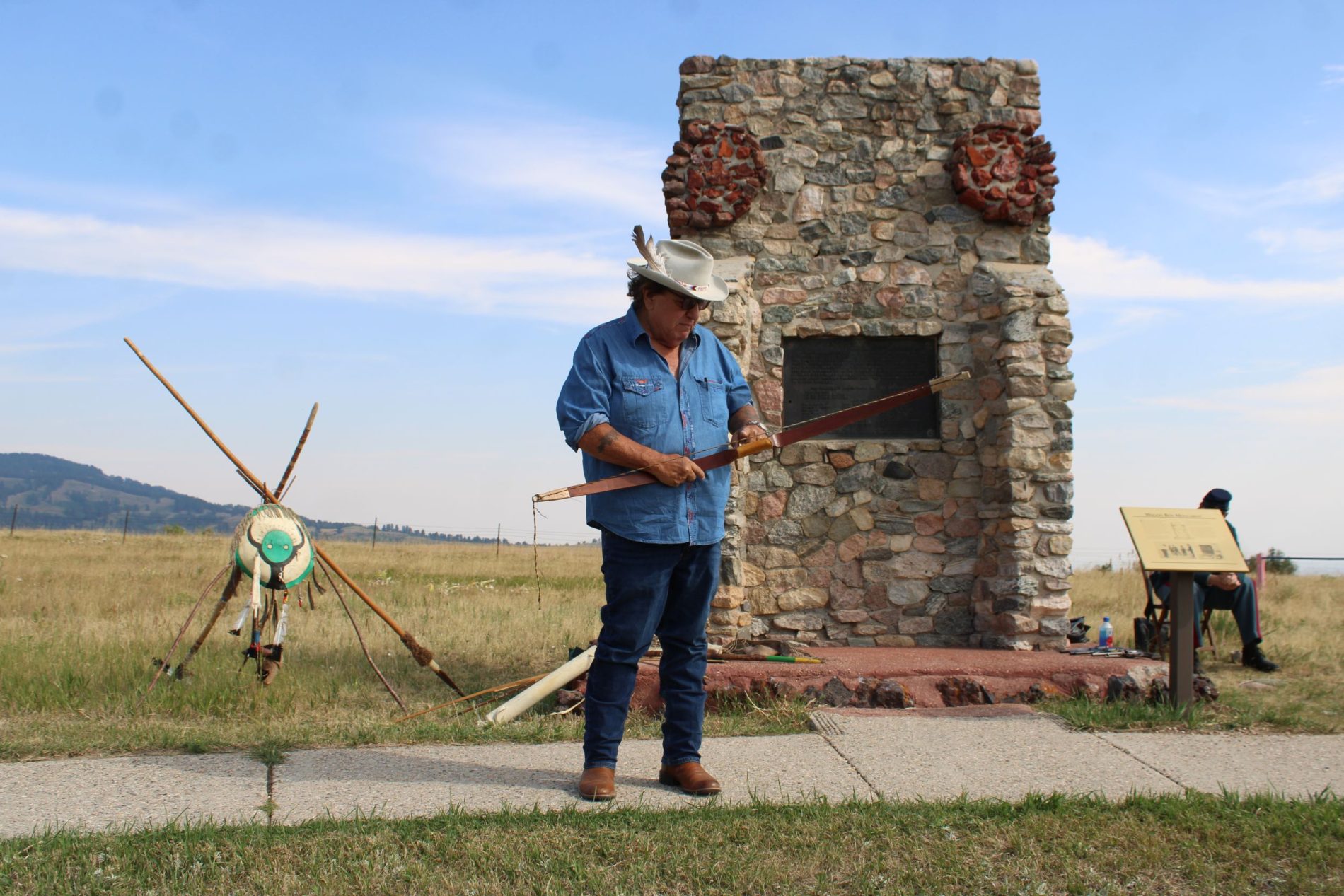
Sprague talked about the various divisions of the Sioux that were at the fight, and his families participation. Sprague’s family is a part of the Miniconjou group. He said the men in his tribe married into the Cheyenne tribe, so he half Cheyenne.
Sprague read from his upcoming book about the fight. He said that on the winter count buckskin, the battle, They Surrounded the White Tents, was the most important event of 1867. The Fetterman Fight, or Fight of a Hundred in the Hand, was the most important event of 1866.
He talked about the fact that the Indians had a different style of fighting than the army.
The men in the wagon boxes held off the warriors until the army finally heard what was going on and came up from the fort with the howitzer, thus ending the battle.
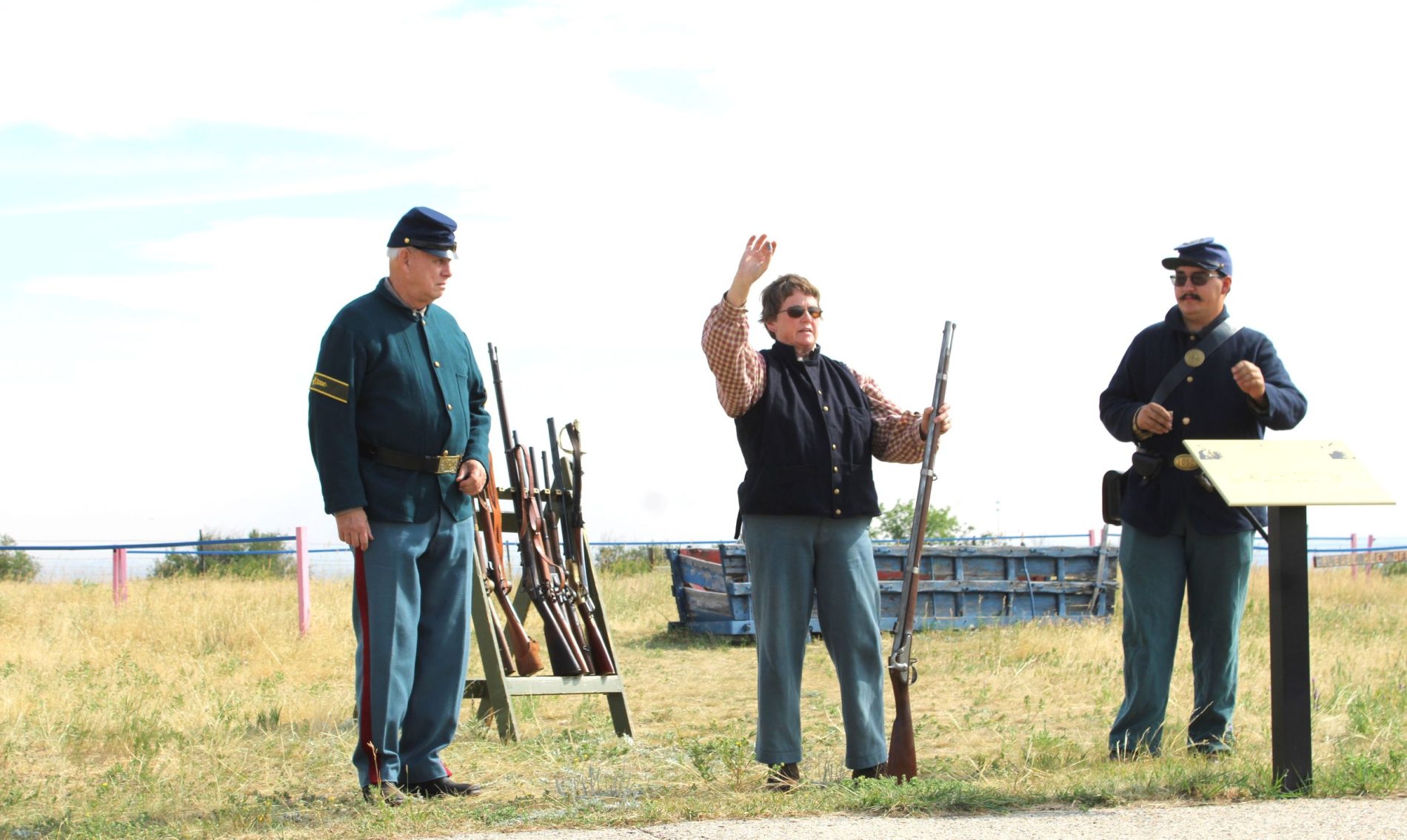
After Sprague’s talk, Kearny’s Frontier Regulars presented a demonstration of the weapons that were used in the Fetterman Fight and the Wagon Box Fight, and why the fights turned out so differently for the army.
Patti Wilson, a member of the Regulars, gave a brief history of the different guns used in the battles. One gun that was decorated was a trade gun, which still used the percussion cap and ball.
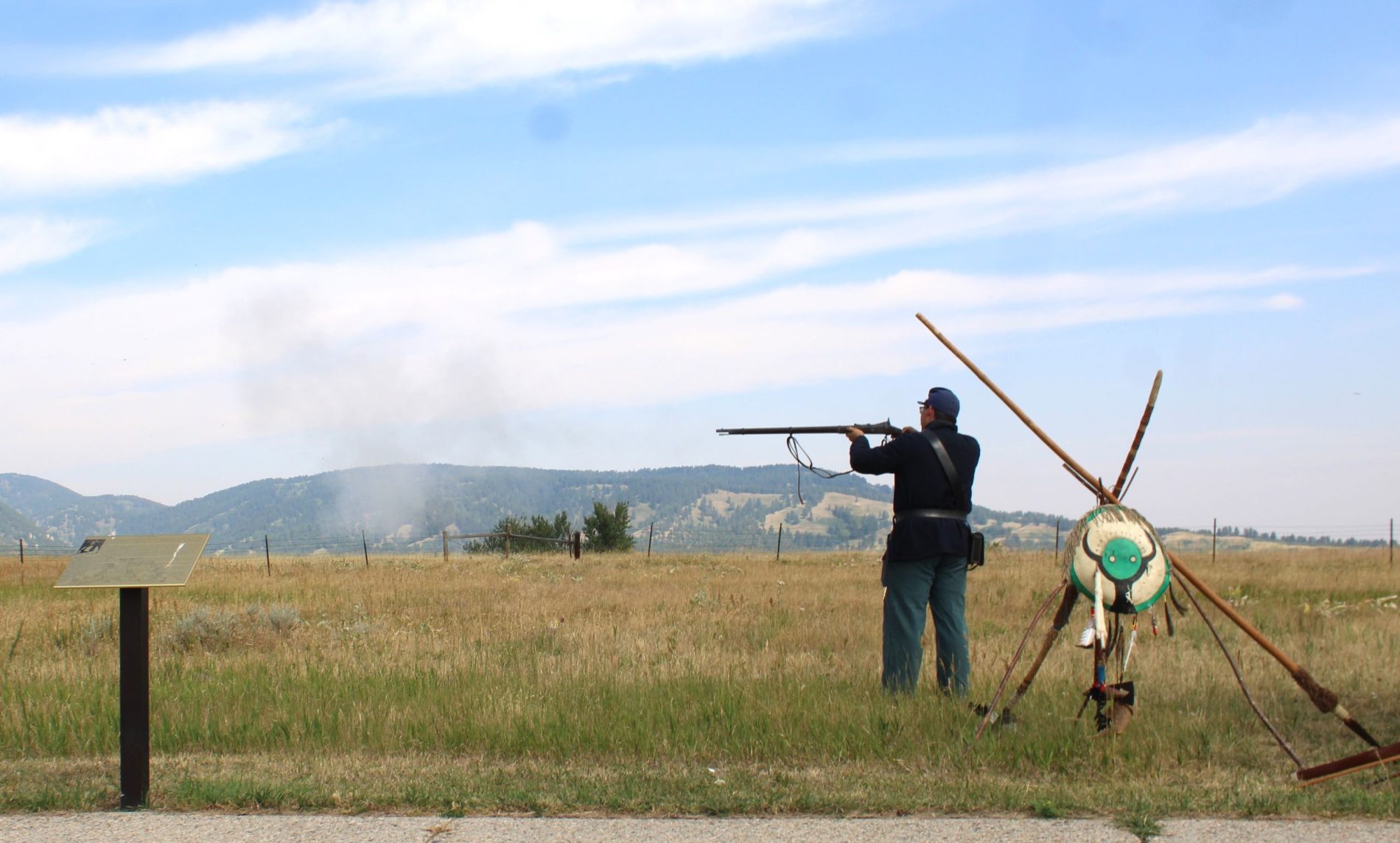
She talked about the difference that the newer weapons made in the Wagon Box Fight, as opposed to the Fetterman fight a few months earlier.
Kyle Mediate, one member of the Kearny regulars, demonstrated how much faster the newer guns fired.
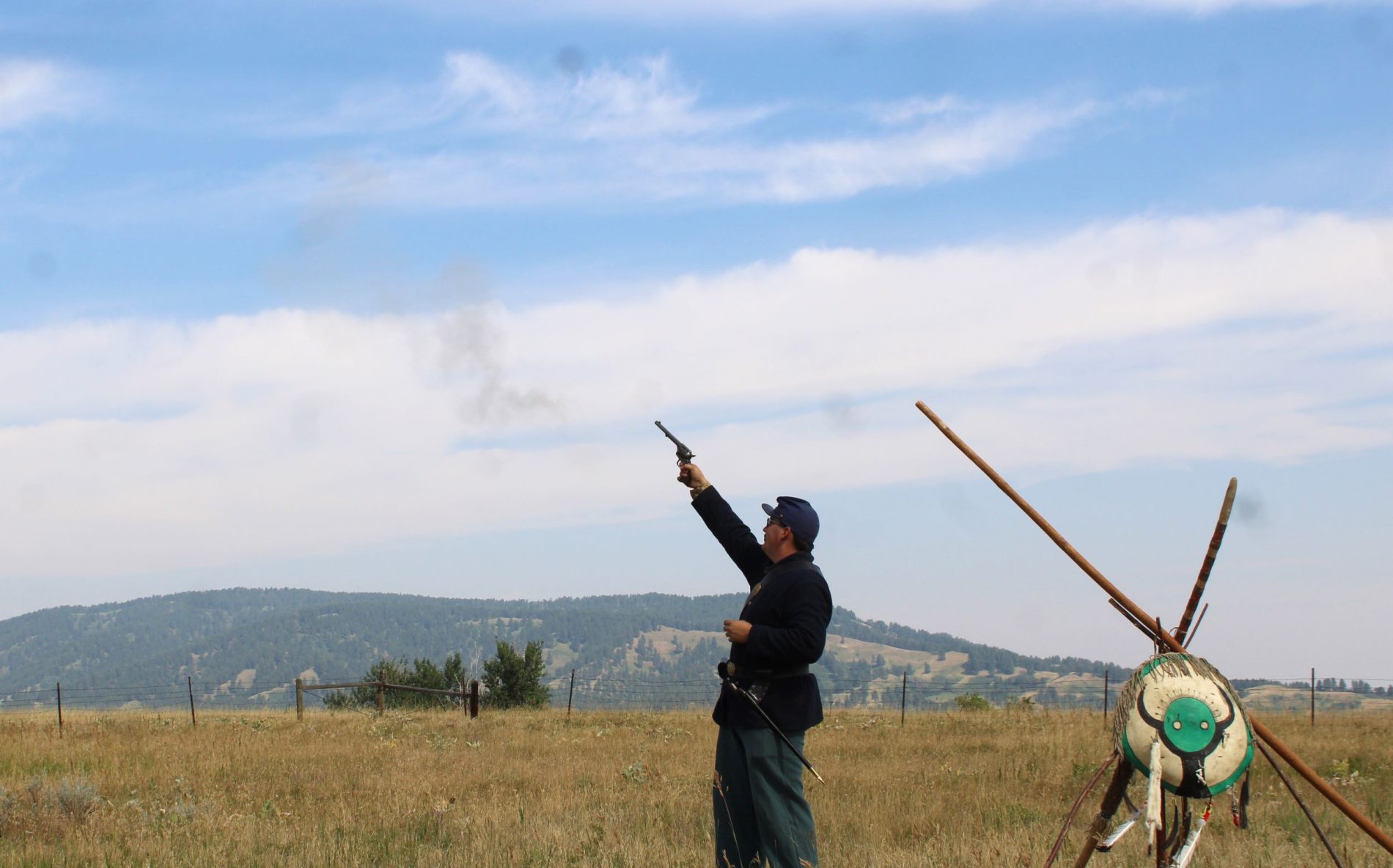
Twenty-six people attended the event, which was held at the Wagon Box Fight site.