
News
Game and Fish release 2025 Wyoming hunt forecast

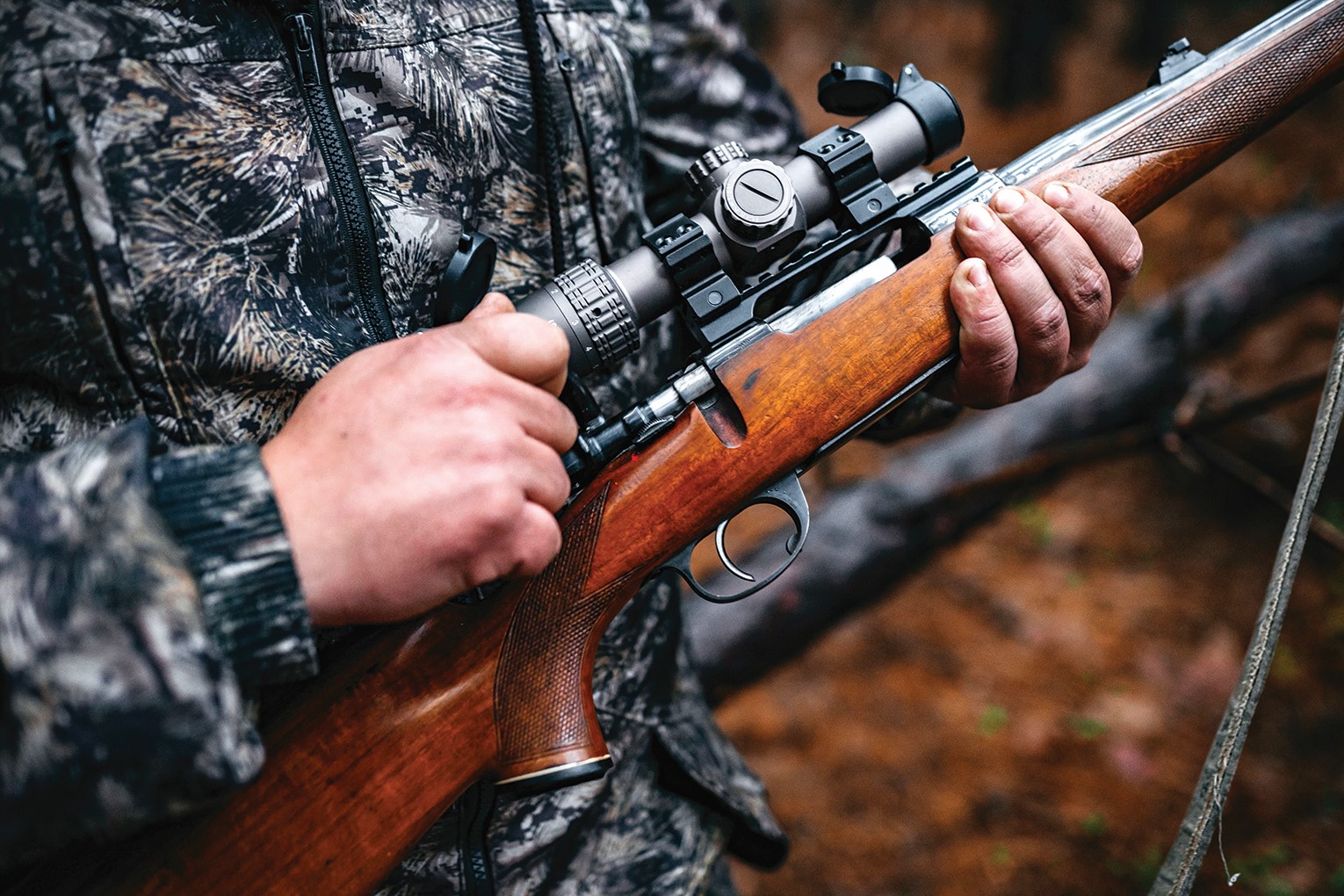
The Wyoming Game and Fish Department has announced that with the 2025 hunt season rapidly approaching, the department has released the hunting forecast for its eight regions throughout Wyoming. According to the Game and Fish, this report includes general outlooks for big and small game, and is based on data and observations from the field by Game and Fish biologists and game wardens.
The Game and Fish are also urging hunters to review the 2025 hunting regulations for any season changes and reminding hunters who harvest a deer or elk in any of the state’s chronic wasting disease focus areas are encouraged to get it tested. The information is incredibly valuable and will help Game and Fish’s long-term monitoring and management efforts.
Hunters and recreationists are reminded to be mindful of the spread of invasive species and to report locations of cheatgrass to county Weed and Pest Districts.
Big game hunters are reminded that hunt areas denoted with an asterisk (*) have limited public hunting access and are largely private lands. In these areas, hunters should get permission to hunt private land before applying for a license, or at least recognize that hunting small, isolated parcels of public land can be difficult and frustrating at times.
All licensed daily, annual, Pioneer and lifetime sage-grouse hunters will be required to carry an annual, free sage-grouse hunting permit to help the department to further expand efforts to survey sage-grouse hunters on their hunt experience.
Below is the outlook for the Sheridan Region. To find the full report covering the rest of the Cowboy State, click here.
Pronghorn
Herds in the Sheridan Region have fluctuated in recent years due to prolonged drought, disease (Mycoplasma bovis, epizootic hemorrhagic disease and bluetongue virus) and severe winters in 2018-19 and 2022-23. While most populations are below objective they have been trending upwards. The mild winter of 2024-25 and favorable range conditions from this spring should help fawn recruitment. This year’s seasons are similar to the last couple of years with some areas having slight increases in quotas. These adjustments should help populations reach desired levels while still maintaining ample harvest opportunities for hunters. Land ownership in much of the region is predominantly private land and access to public lands is difficult, so hunters are encouraged to make arrangements for private land access. Hunter densities on many accessible tracts of public land can be high, especially on opening day and weekends. Hunters who plan hunts later in the season or mid-week often see less crowding.
Mule deer
Numbers in the Sheridan Region have been trending downward since 2019 and herd units are below objective. Poor range health, drought, severe winters and disease have contributed to this decline. Observed fawn ratios around the region have improved since 2023, however, suppressed doe/fawn ratios will take several years to recover. While there is significant desire to increase deer numbers, in some areas range conditions are currently poor enough that they could not support additional deer on the landscape at this time. Multiple habitat projects are ongoing to improve range conditions. Hunting seasons for 2025 are similar to 2024 with reductions in doe/fawn license issuance. Antler point restrictions are in place for 2025 in hunt areas 19, 25, 29 and 31. Hunters should expect difficult access to private lands and some overcrowding on accessible public lands. Some access opportunities for deer and pronghorn are available on walk-in hunting and hunter management areas. These areas can be found under the public access tab on the Game and Fish website.
White-tailed deer
Numbers are starting to rebound from back-to-back EHD and bluetongue virus outbreaks in 2021 and 2022. Managers are still managing this population with liberal hunting seasons to address damage to private property. Private land refugia and subdivision development along riparian corridors has made white-tailed deer management a challenge for managers in multiple locations. Hunting seasons and quotas in 2025 will look similar to previous years. Most white-tailed deer are found on private land with limited public land hunting opportunities. Landowners are encouraged to reduce deer densities through hunter harvest to address damage complaints, browsing pressure on shrub communities and help limit CWD prevalence and spread. Hunters should be aware CWD prevalence often exceeds 30% in white-tailed deer in the Sheridan Region.
Elk
There has never been a better time to hunt elk in the Sheridan Region. Hunt areas are at or slightly above objectives and managers have set liberal hunting seasons to encourage antlerless elk harvest. In two hunt areas, 123 and 129, there continues to be a type 8 license that allows hunters the opportunity to purchase an unlimited number of cow/calf elk licenses that are valid only on private land. Hunters were successful with these licenses in 2024. Hunters who were successful in drawing a limited quota elk license in one of the many hunt areas that make up the Bighorn Mountains should have plenty of opportunities to harvest an elk. Off the Bighorn National Forest, much of the hunting opportunities are found on private land and hunters are reminded to secure access prior to their hunt.
Moose
For those lucky few who drew a limited quota moose license, hunting should be excellent this fall. Moose in the Bighorn Mountains are doing well with a good number of mature bulls on the landscape. Moose quotas were changed slightly in 2025 to accommodate for the 90:10 split between residents and nonresidents. Multiple moose research projects are wrapping up which will inform moose management in the future.
Upland game
A relatively mild winter combined with well-timed spring precipitation, has been favorable for upland game brood rearing in 2025. Residual nesting cover was good and many biologists and game wardens have reported seeing broods this summer. While sage-grouse hunting in the majority of the region is closed , hunting for other game bird species should be good. Wild turkey numbers are doing well and liberal seasons allow hunters to have up to three fall turkey licenses until the Type 3 quota is exhausted. The Sheridan Bird Farm had another excellent year and pheasants will be released throughout the season on publicly accessible land. For those who hunt in those areas where pheasants are released, don’t forget to purchase your Pheasant Management Stamp.

Warren Mischke
August 19, 2025 at 2:47 pm
Good job WGFD!!