News
History: Battle of Platte Bridge Fought 100 Years Ago Today

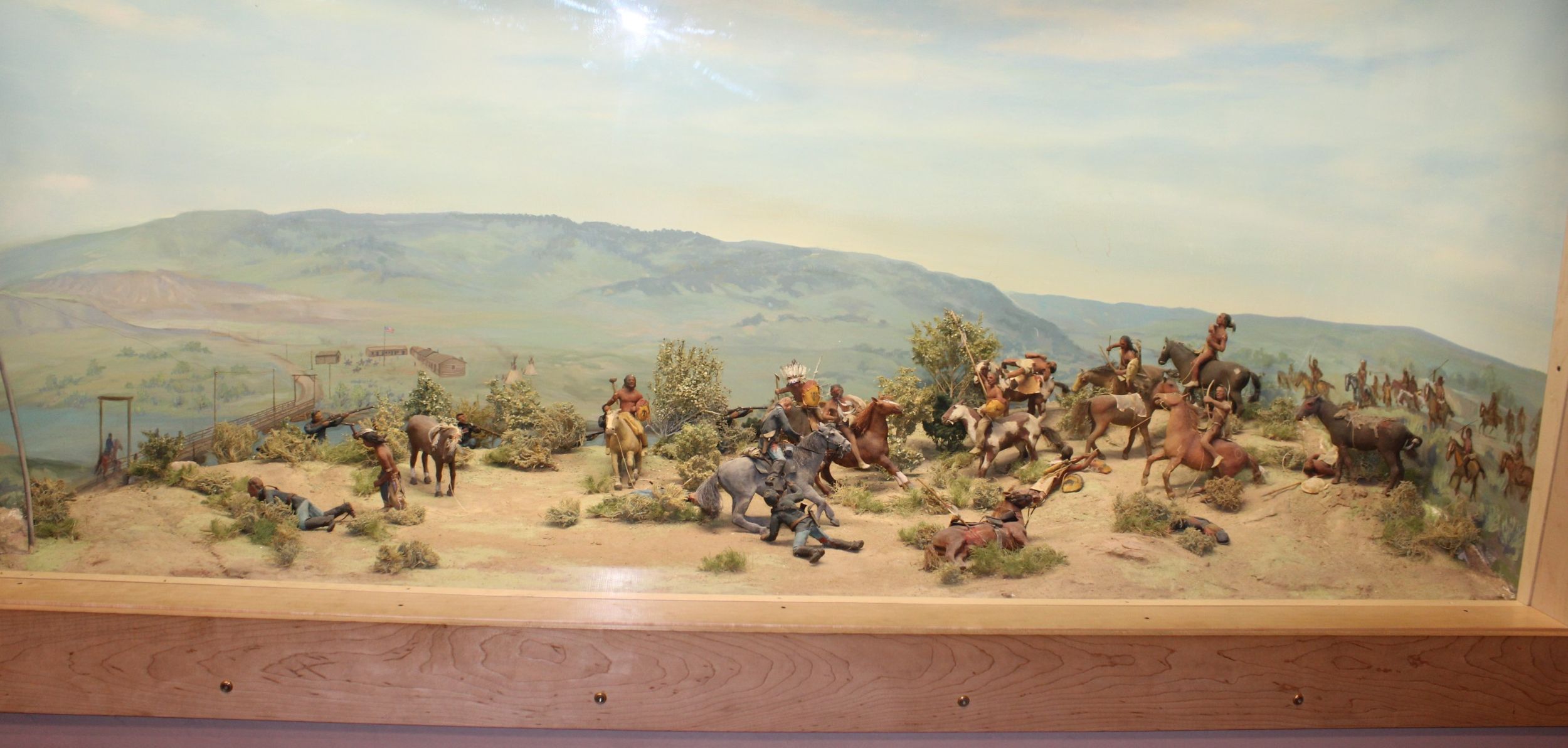
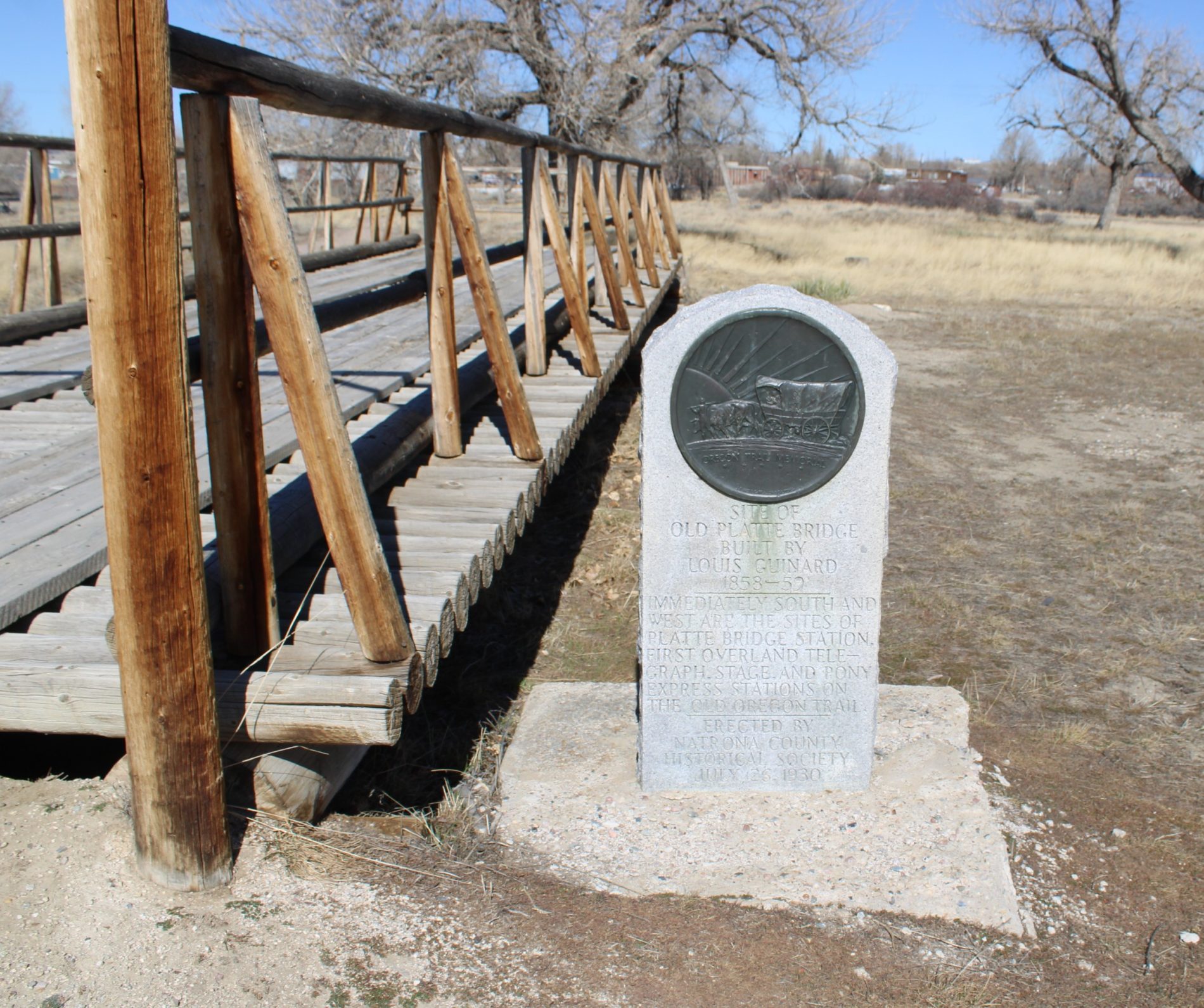
June 26 of this year marked 150 years since Custer met his fate on the Little Big Horn River in Montana. There were several battles preceding that famous battle, and the Battle of Red Buttes and the Platte Bridge Station Fight near Casper were two such battles. This column deals with the Platte Bridge Fight.
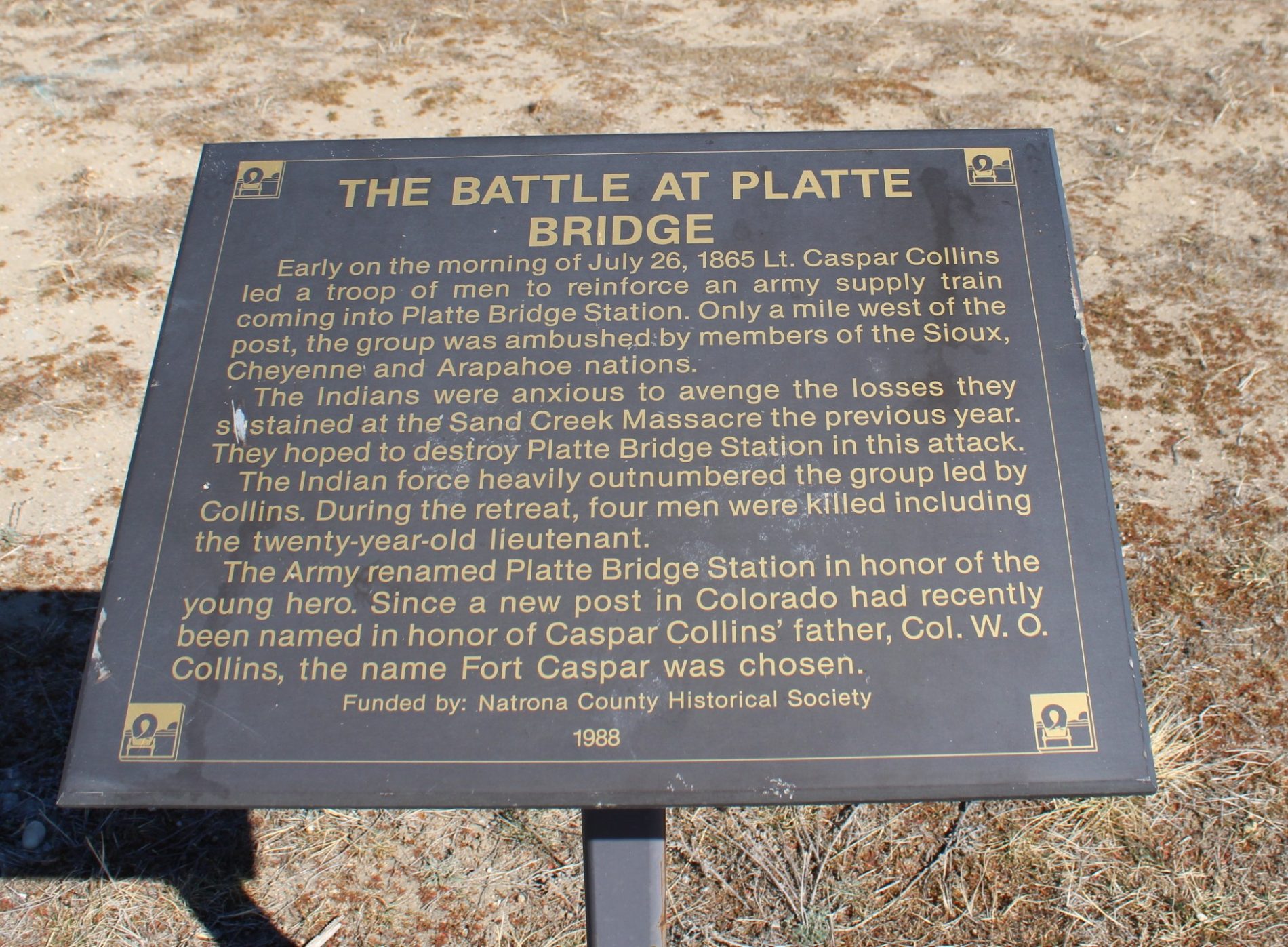
The Platte Bridge Fight occurred on July 26, 1865. It was direct retaliation of the Sand Creek Massacre which happened in November of 1964, when Col. John Chivington’s troops attacked a peaceful encampment of Cheyenne and Arapaho people in Colorado. In the attack, over 200 Indians were killed, mostly women and children.
There was a three-part story about the battle written by Mr. Charles Waring, and appeared in the Casper Press in October of 1909, which is too long to relate here. However, like most history, there are differing opinions.
Even today, eyewitnesses account to events sees them differently, and often it seems as if they are viewing completely different events. This was the case with Mr. Waring’s story of the Platte Bridge. The letter writer, Mr. Earnest, describes the battle.
This from The Casper Press, December 3, 1909 – Another Veteran Heard From. Those who read the description of the battle of Platte bridge between soldiers and Indians as written by Mr. Charles Waring of Manhattan Kansas, will be interested in the following letter which was written to Mr. Earnest, of Alcova, by Mr. John C. friend, of Rawlins, whom, it seems was also participant in the fight, as member of the 11th Ohio cavalry.
Mr. Friend does not agree with Mr. Waring on many particulars and tells some interesting things about the fight. Through the kindness of Mr. Earnest, we publish the letter
I read the clipping from the Casper Press with much interest. From careful reading of the article it appears to me that his information was gotten second hand. He does not mention any of the little details of the fight which It seems to me that person on the ground at the time would surely have noted. If he belonged to the 11th Kansas he knows that none of his regiment were ever stationed further west than Sweetwater bridge.
He also knows that the post at Platte bridge was built by Co. G, 11 Ohio cavalry, during the winter of 1864, if he was ever stationed there. He also knows that the 11th Kansas, when they took post at Platte bridge, relieved company, 11th Ohio, who were’ sent to Sweetwater bridge; that the sergeant Custard, as he calls him, and his fifteen men were sent with the ten teams that furnished the transportation for company, 11th Ohio, for escort on return trip.
If he was there at the time of the fight, he knows that on the first day in the afternoon the Kansas men killed an Indian…. the only Indian it is positively known was ever killed by the 11th Kansas. He makes no mention of the arrival of Capt. Lybe, of the 6th US, and Lieut. Bretney of G company, 11th Ohio, and ten men on the early morning of the second day’s fight, and how glad they were for the slight re-enforcement.
He says nothing about Capt. Lybe and Lieut. Bretney following Collins’ command across the bridge and forming a skirmish line from the end of the bridge across the bottom up on the first bench to protect Collins’ rear, and who remained on the north side of the river until ordered back by the commanding officers.
He is silent about the 11th Kansas offering their horses to anyone who would go across the river and carry in the Kansas dead. No mention is made of Wm. Worrill, Tom Sinclair and the writer going across the river in the evening and carrying in three of the killed Kansas men, two of which myself brought over.
He is mistaken about Raphael, the Mexican guide; he was not at Platte bridge at that time. Noel and Mich Semlnoe are the persons who went to Deer Creek and brought up the company of the 11th Kansas, and they did not arrive until the afternoon. Shortly after their arrival the major with about fifty men joined them.
They took an ambulance and went over and brought in the other five men that had been killed out of the Collins party, but did not go to where the train was burned until the next morning. do not think he was present when Col not think he was present when Collins’ body was found, as do not remember that any of the Kansas fellows Were with us.
The body was found about mile and half northeast of where the fight occurred, in little draw. While the body was badly mutilated, there were no arrows in it. Bill Worrill of Collins’ company I think was the first to find the body, when he threw blanket over it. I did not see the body myself. The body was rolled up in blanket and taken in that way. It was then placed in rough wooden box and burled immediately.
His article reads funny to me, If he was there. The only thing that makes it possible for me to think so is his description of the fellow that was killed by lance. He says “Private Jas. Porter was killed and a few wounded.”
As remember, there was no one wounded. A horse was was shot in the knee, which caused the animal to stumble and throw his rider, an old German, who was not hurt, but immediately jumped up and got busy with his pistols, which caused the Indians to shy off and fall back as the infantry, who went down to support them and prevent the Indians from crossing the river, got into action.
I should have liked very much to have met Mr. Waring, as am sure could have refreshed his memory on many points, and especially the earthworks which the Kansas men under the direction of Capt. Lybe constructed on the outside of the buildings.
This story of Mr. Waring’s has evidently been written to make reasonable story without much regard to the facts and many incidents that occurred during the fight This story of Mr. Waring’s has evidently been written to make reasonable story without much regard to the facts and many incidents that occurred during the fight and afterwards, until the Michigan troops arrived and relieved the 11th Kansas. Everyone of the wounded happily was able to travel.
You can show this to the Casper Press man if you wish, and if he knows Mr, Waring’s address can send it to him for his information. If he wishes to be fair, am sure this will refresh his mind on many points. Jno. C. Friend
One of the men killed in the fight was Caspar Collins, whose father, W.O. Collins, already had a Fort and later a town in Colorado named for him. Therefore, they named the fort on the banks of the Platte, Fort Caspar. Later, the name somehow was changed to Casper.
The Platte Bridge Station fight and many of the battles in Southern and Central Wyoming had a direct effect on the battles that were later fought around Sheridan.
(Photos taken at Fort Caspar Museum, Casper, Wyoming.)