News
Carcass disposal plan important for wildlife health

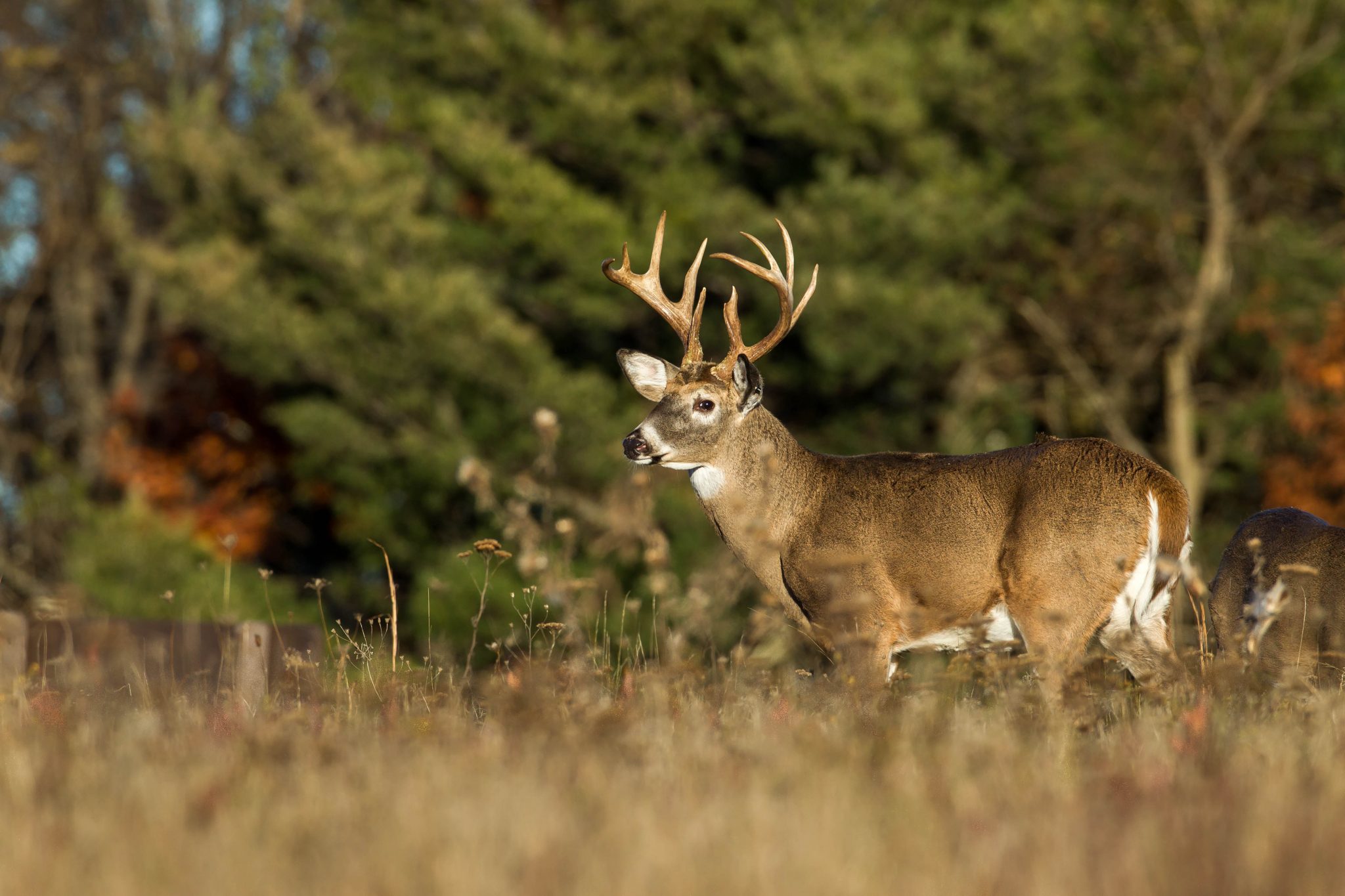
Wyoming deer, elk and moose hunters need a carcass disposal plan this fall prior to heading afield. Wyoming’s carcass transport and disposal regulations allow several options for hunters to legally transport their harvest to their home, a camp or a processor that limit the spread of chronic wasting disease (CWD) within Wyoming and to other states.
“The Wyoming Game and Fish Department cares about the future of healthy deer, elk and moose populations. Proper carcass transport and disposal helps to protect our herds and those in other states,” Hank Edwards, Wildlife Health Laboratory supervisor said.
Deer, elk and moose taken in Wyoming can be transported to a camp, private residence for processing, a taxidermist, a processor or a CWD sample collection site in Wyoming provided the head and all portions of the spinal column remain at the site of kill or such parts are disposed in any approved landfill or approved incinerator in Wyoming.
The Sheridan County Landfill will accept deer and elk carcasses for free from Sept. 1 – Dec. 31. For hunters who relocated their harvest out of Sheridan County, a listing of landfills that will accept waste from processed game animals and whole carcasses is available on the Game and Fish website.
During an appearance on Sheridan Media’s Public Pulse, Wyoming Game and Fish Public Information Specialist Christina Schmidt told listeners that wardens have found carcasses in county road ditches and other locations, possibly spreading the disease.
Wyoming’s deer, elk and moose hunters are also able to transport within Wyoming:
Edible portions of meat with no portion of the spinal column or head attached
Cleaned hide without the head attached
Skull, skull plate or antlers that have been cleaned of all meat and brain tissue
Teeth
Finished taxidermy mounts
Whole deer, elk and moose carcasses cannot be transported out of Wyoming.
“The only parts of deer, elk and moose taken in Wyoming approved to leave the state are edible portions with no part of the spinal column or head; cleaned hide without the head; skull, skull plate or antlers that have been cleaned of all meat and brain tissue; teeth or finished taxidermy mounts,” Scott Edberg, deputy chief of the wildlife division said. “All hunters need to check with their home states for the rules about importing deer, elk or moose from Wyoming prior to heading home.”
Since 1997, the Wyoming Game and Fish has been monitoring the distribution and prevalence of CWD to better understand how this disease may affect the health of Wyoming’s deer and elk populations. This disease has now been identified in most deer hunt areas across Wyoming; please see the Game and Fish website for the current statewide distribution of this disease.
More information and resources for hunters on CWD is available on the Game and Fish CWD webpage and page 5 of the 2020 Antelope, Deer and Elk Regulations.