News
Game and Fish ask hunters to turn in samples for CWD testing

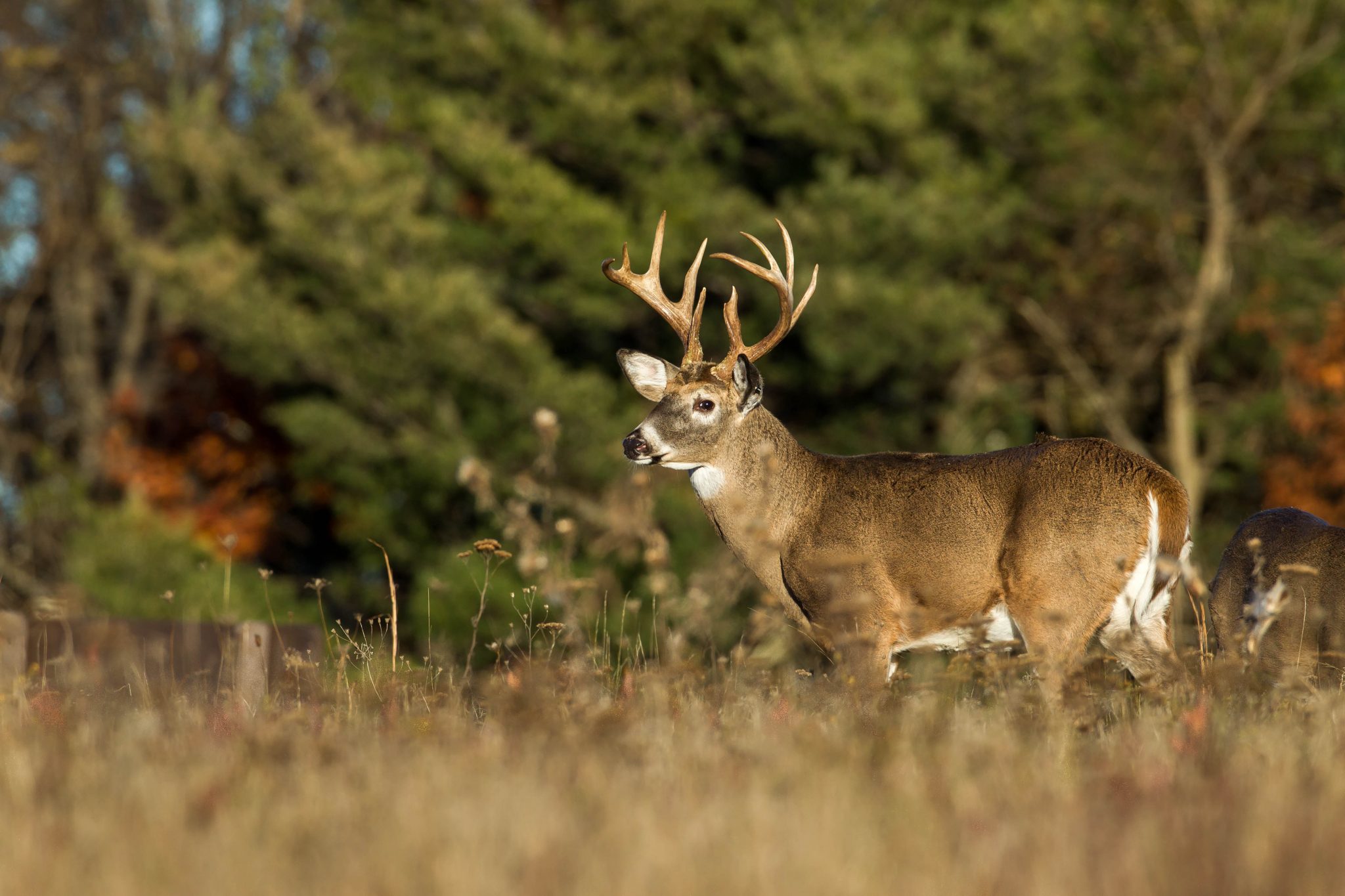
As hunters from all over the nation descend on Sheridan and Johnson Counties for the season, Wyoming Game and Fish are requesting a little assistance improving the herds.
In years past, the Game and Fish performed “blanketed” testing on animals from every hunt area. This year, they are focusing testing on targeted herds to find more prevalence of CWD with those groups.
According to Wyoming Game and Fish Public Information Specialist Christina Schmidt, although testing is more focused in hunt areas 19, 29 and 31 — areas surrounding Buffalo and Kaycee — Game and Fish officials will test any harvested animal for free and officials are asking all hunters to voluntarily submit samples from their animals or to bring the head of their animal to a Game and Fish location for sampling.
According to Schmidt, location of the harvest is vital information. Should an animal’s test return positive, officials need to have the animal’s documented location to track the spread of CWD.
Hunters can take their animals to the Wyoming Game and Fish Stations in Sheridan and Buffalo to be tested and Game and Fish check stations will also be set-up and available to help throughout the big game hunting seasons.
Videos are available online from the Game and Fish department to instruct hunters on extracting the lymph node located just under the bottom jaw line, a link to that video can be found here.
According to the Game and Fish, Chronic Wasting Disease was first identified in free-ranging mule deer in southeastern Wyoming in 1985, followed by elk in 1986. Over the past 20 years, surveillance data has shown an increase in prevalence and distribution of CWD in Wyoming, particularly in deer. CWD is now found across the majority of the state, with new detections suggesting continued westward spread of the disease.
CWD is a chronic, fatal disease of the central nervous system in mule deer, white-tailed deer, elk, and moose. CWD belongs to the group of rare diseases called transmissible spongiform encephalopathies (TSEs).
Animals may show no clinical signs early in the disease. Later on, as the disease takes hold, affected animals show weight loss, reluctance to move, excessive salivation, droopy ears, increased drinking and urinating, lethargy, and eventually death.
Animals will test positive for the disease long before these clinical signs appear and the majority of CWD positive animals that are harvested appear completely normal and healthy. This is one reason G&F officials are asking hunters to turn in samples once they have harvested their animal.
According to the Game and Fish, to date, there have been no cases of CWD in humans and no direct proof that humans can get CWD. However, animal studies suggest CWD poses a risk to some types of non-human primates, like monkeys, that eat meat from CWD-infected animals. These experimental studies raise the concern that CWD may pose a risk to humans and suggest that it is important to prevent exposures to CWD. A link to safe handling of possible CWD infected animals can be found here.