News
Stories from the Fort Phil Kearny Cemetery

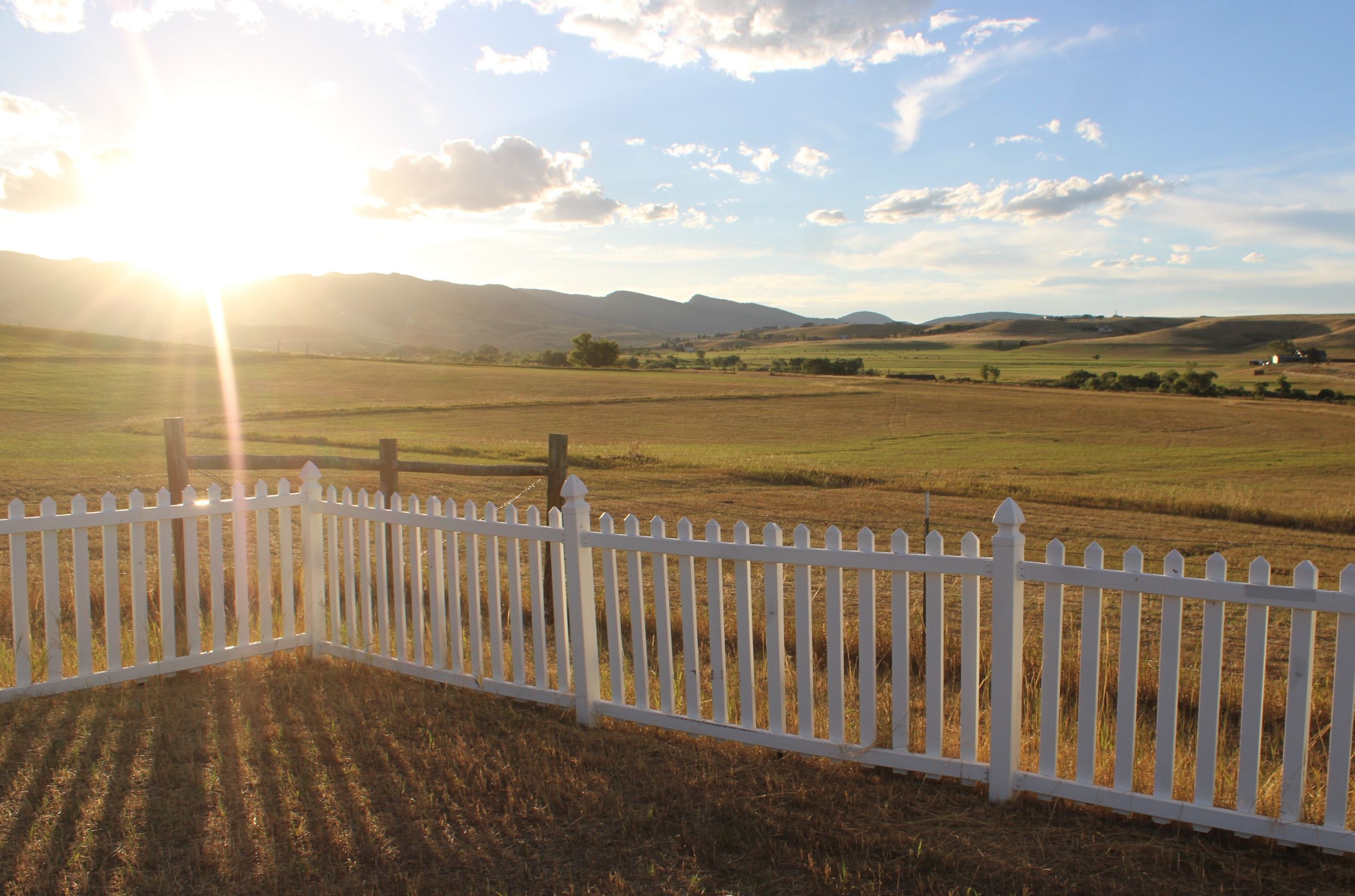
The cemetery at Fort Phil Kearny may be abandoned but not forgotten. It is still hallowed ground, and there are two graves still inside the white picket fence. The annual program and cemetery hike to learn more about its history was held on Wednesday, September 2.
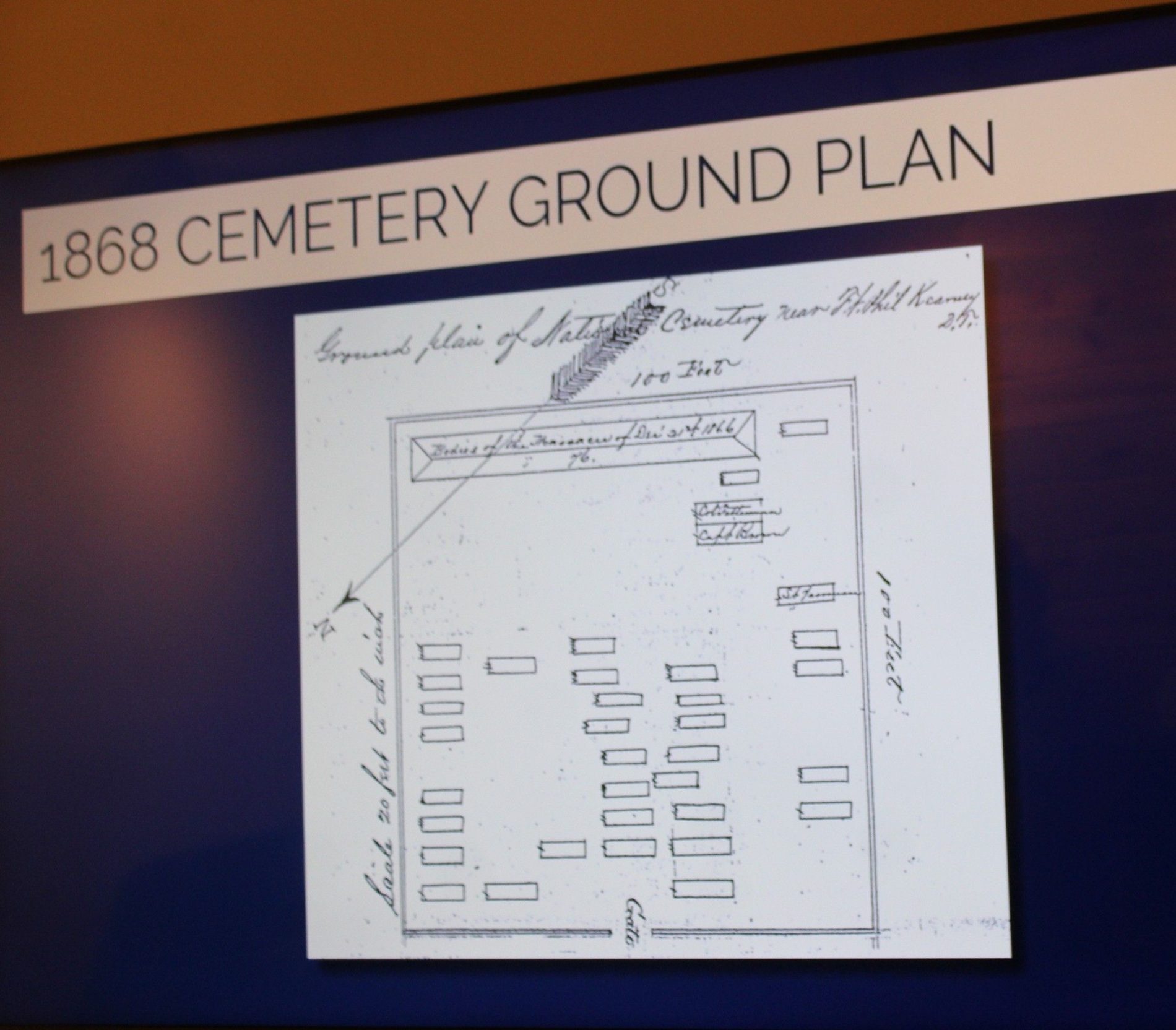
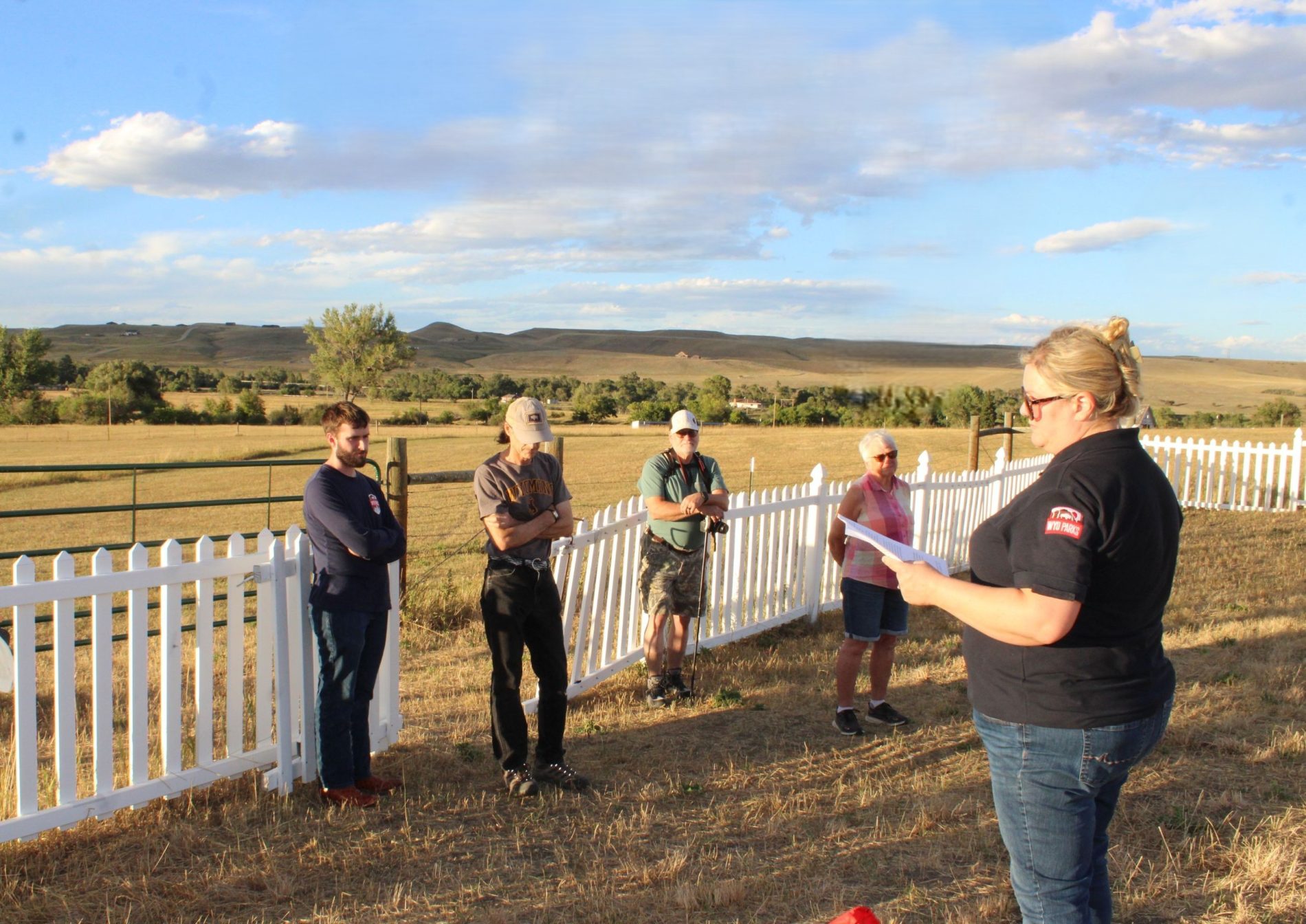
Before beginning the hike, Site Superintendent Sharie Shada presented a slide show and a short history of the cemetery and its occupants at the Fort Phil Kearny Interpretive Center.
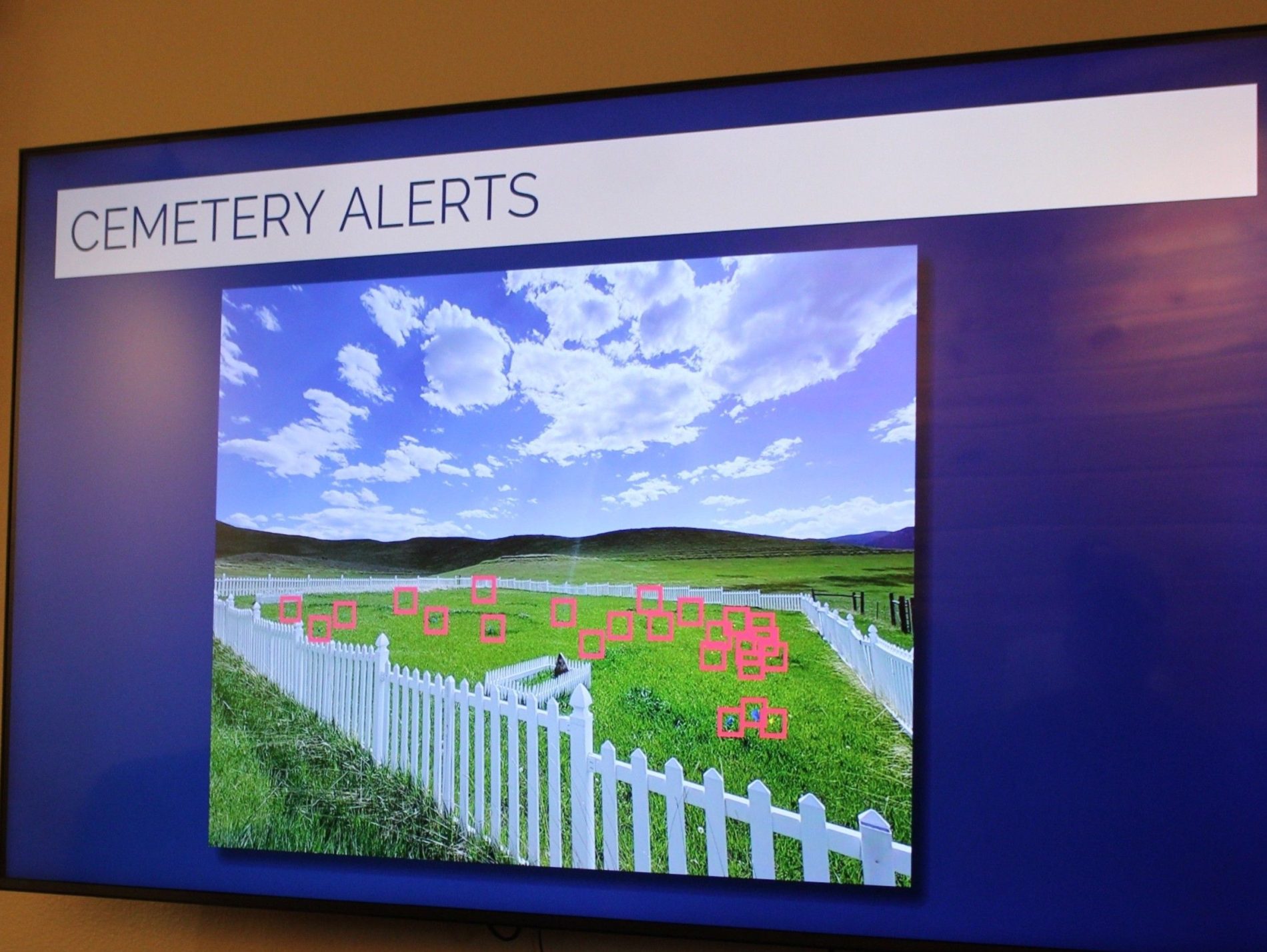
She added,
Flags were placed where the dogs found the scent of human remains, and they were very close to the locations that were on the 1868 cemetery ground plan.
There were 112 people buried in the cemetery while the Fort was active, most were the 81 men from the Fetterman Fight. After the Fort Laramie Treaty in 1868, all the forts along the Bozeman Trail were closed, including Fort Phil Kearny.
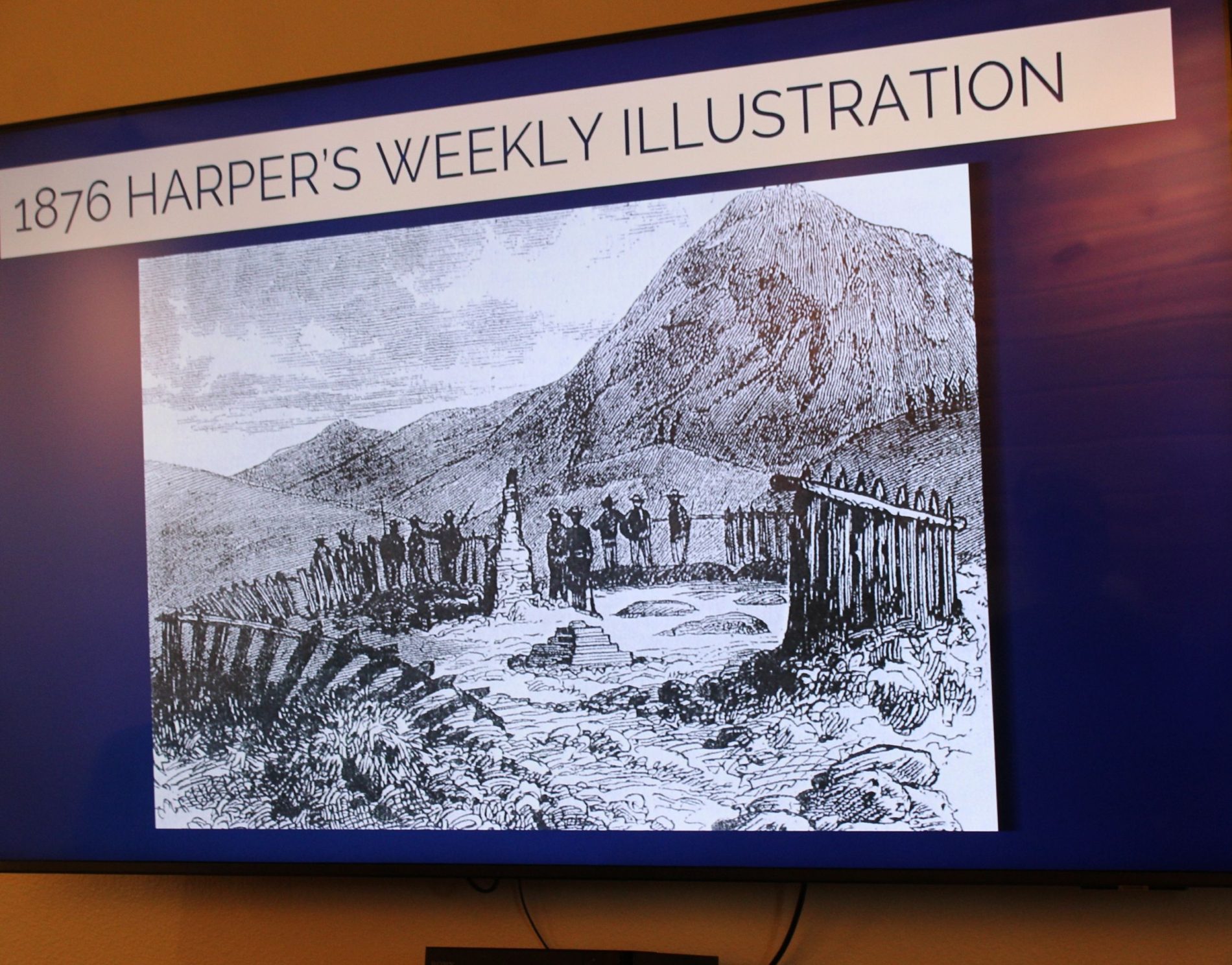
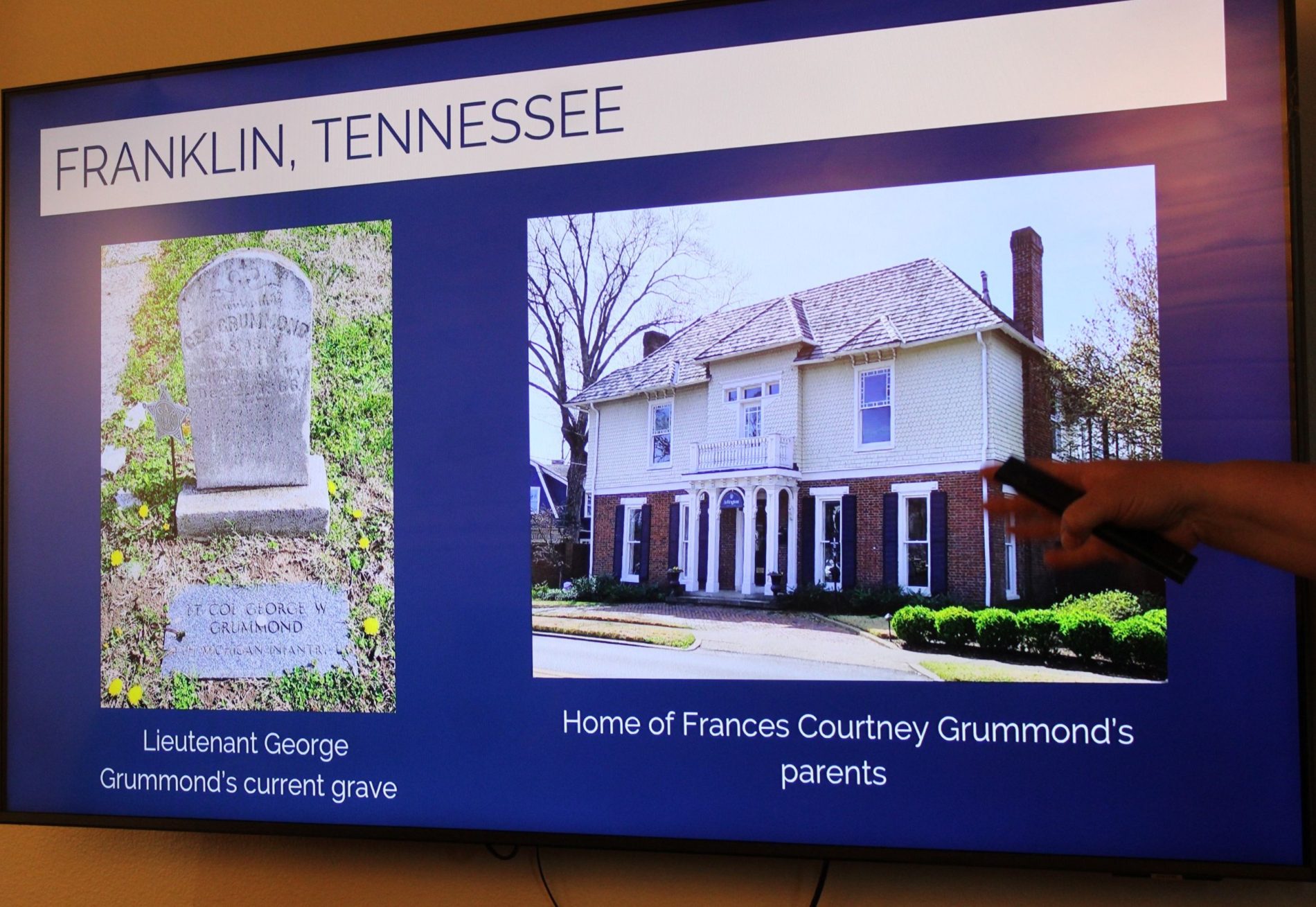
Some of the people buried there are known. Captain Fetterman, and Captain Horatio Bingham, who died at the Fetterman fight, and Ridgeway Glover, a Quaker photographer, who was killed by the Indians before the Fetterman fight. Lt. George Grummond was buried there, before being taken back to Tennessee by his wife, Frances, to be buried there. Many could not be identified and are still unknown. Their graves are at the Custer Battlefield Cemetery.
During the Wagon Box fight, some months later, Lt. John Jenness was killed and buried in the cemetery. There were two accounts of how he was killed.
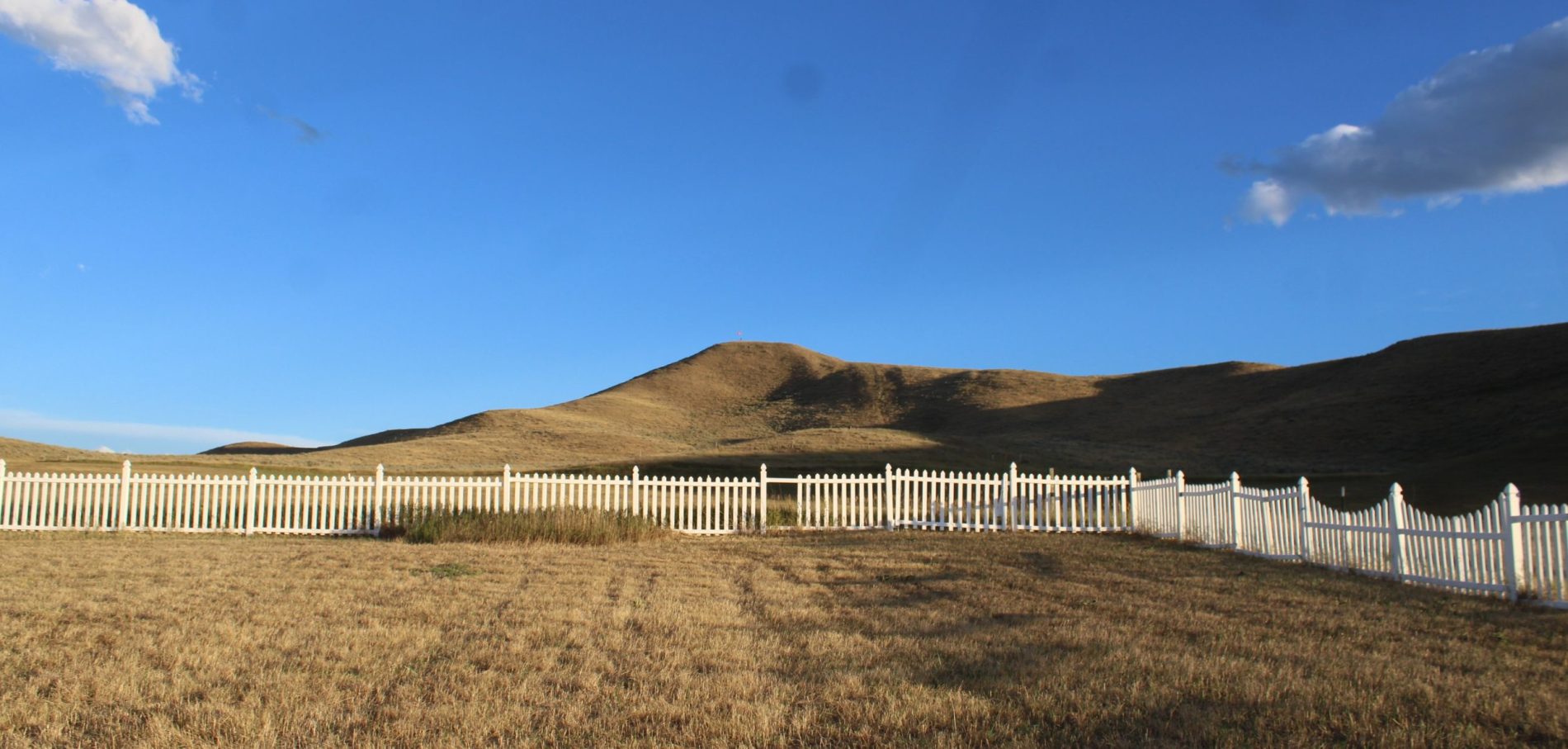
After the background talk, Shada led the mile hike up to the cemetery. She said in 1866, it was the first project to break ground, after two soldiers were killed.
In 1888, twenty years after the fort was abandoned, the army ordered the soldiers, under the command of Captain J.M. Sanno to exhume, identify and transport all remains to the Custer National Cemetery near the Custer National Battlefield.
The main causes of death at the Fort were wounds and battle fatalities, and disease. Fresh fruits and vegetables were not readily available. Without those nutrients, like vitamin C, soldiers contracted diseases such as scurvy. They also died of typhoid, hepatitis, pneumonia, and dropsy, which today we call edema.
When the bodies were exhumed, many items were found in the graves, including a metal arrowhead that one man had been shot with. While this was happening, several civilians came by to watch the event, including 20-year-old Frank Kirkpatrick. He said he saw Captain Horatio Bingham’s body began to dissolve before his eyes as it was brought out of the ground. He stated he was so scared that he wanted to dissolve too.
At one point in the exhumation, the ranchers and soldiers were bored, and decided to have a poker game, using bones and other items to lay their bets with.
Obviously, digging up old bodies could be considered a learning experience for school children.
The cemetery is easily accessible by a short hike from Fort Phil Kearny, and it is a part of the Moon Hitch Wagon Tours which are being held throughout the fall from the Fort. Contact Fort Phil Kearny for more information about the cemetery.