News
Harmful Cyanobacteria Blooms Continue Despite Cooler Temperatures

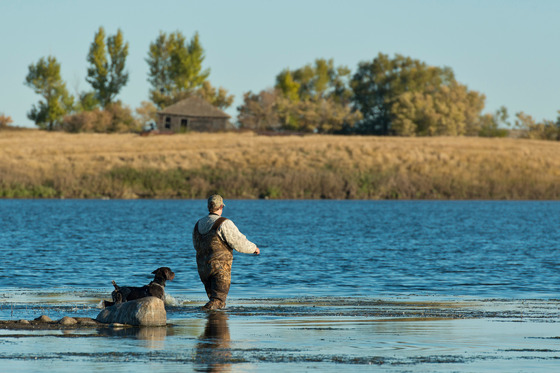
Harmful cyanobacteria blooms continue throughout waterways in Wyoming, despite cooler temperatures. Sheridan Media’s Ron Richter has the details.
As water and air temperatures drop, fewer people are recreating on Wyoming’s lakes and reservoirs. However, the Wyoming Department of Environmental Quality, Wyoming Department of Health, and Wyoming Livestock Board, in collaboration with partners, want to remind the public, including hunters and anglers, to continue avoiding harmful cyanobacteria blooms and to keep animals away from them.
While most blooms occur during warmer months and typically decline as conditions cool, some types of cyanobacteria can survive freezing temperatures and may still pose health risks to people, pets, and livestock.
In July, the DEQ issued a health advisory for portions of Lake DeSmet due to a cyanobacteria bloom that was discovered near the Mikesell-Potts Recreation Area. DEQ lifted the bloom advisory on Lake DeSmet on August 21. HCBs, commonly referred to as blue-green algae, are dense concentrations of naturally occurring cyanobacteria that can produce toxins and other irritants that affect human and animal health.
They typically appear as floating blooms in or on the water that resemble spilled paint, clumps, grass clippings, or scum, but they can also form chunky or slimy mats on underwater surfaces. These mats may detach and float or collect along the shore, posing a health risk if ingested by pets or livestock.
Below-normal snowpack and precipitation, and warmer than average air temperatures earlier this season contributed to lower water levels and warmer surface waters across Wyoming. Combined with increased public awareness and reporting, these conditions may have contributed to more frequent and earlier bloom events being detected across the state. According to the DEQ, as of October 15th, 42 waterways in Wyoming have bloom advisories, with ten also having toxin advisories for specific locations.