News
UW Contributes to New Study on North America Bison History

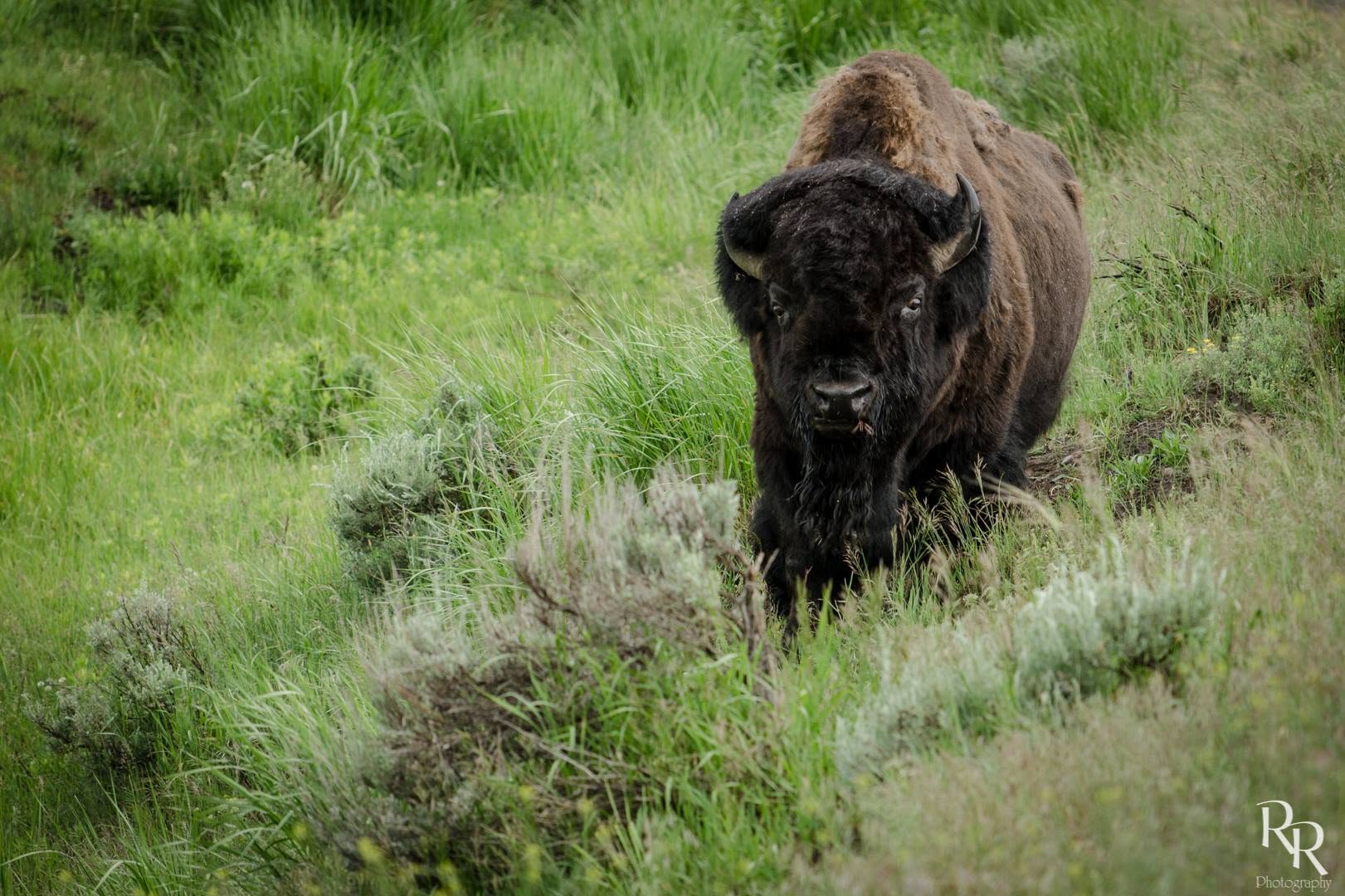
Genetic material from bison bones collected at Wyoming archaeological sites — and housed at the University of Wyoming — played a key role in a sweeping new study about the history of the iconic species in North America. Sheridan Media’s Ron Richter has the details.
The study — which involved researchers from more than 30 institutions and organizations, including Wyoming State Archaeologist Spencer Pelton at UW — appears in the journal Science. The scientists sequenced 115 ancient and 45 modern bison genomes from across North America to show how the animals have evolved over the past 20,000 years, including the human-driven collapse that nearly led to their extinction by the start of the 20th century.
During a recent interview on Sheridan Media’s Public Pulse program, UW Marketing and Communications and Public Relations Director Chad Baldwin talked about the study.
The researchers concluded that, before the population collapse, bison across the continent ranged widely and were genetically connected, with few genetic distinctions developing until different populations were isolated in attempts to conserve the species over the past century. Additionally, contrary to assertions in recent years that almost all modern bison have at least some cattle ancestry due to breeding experiments aimed at creating bison-cattle hybrids for agriculture, the scientists found limited cattle ancestry in modern herds.