News
The Autumnal Equinox and Harvest Moon

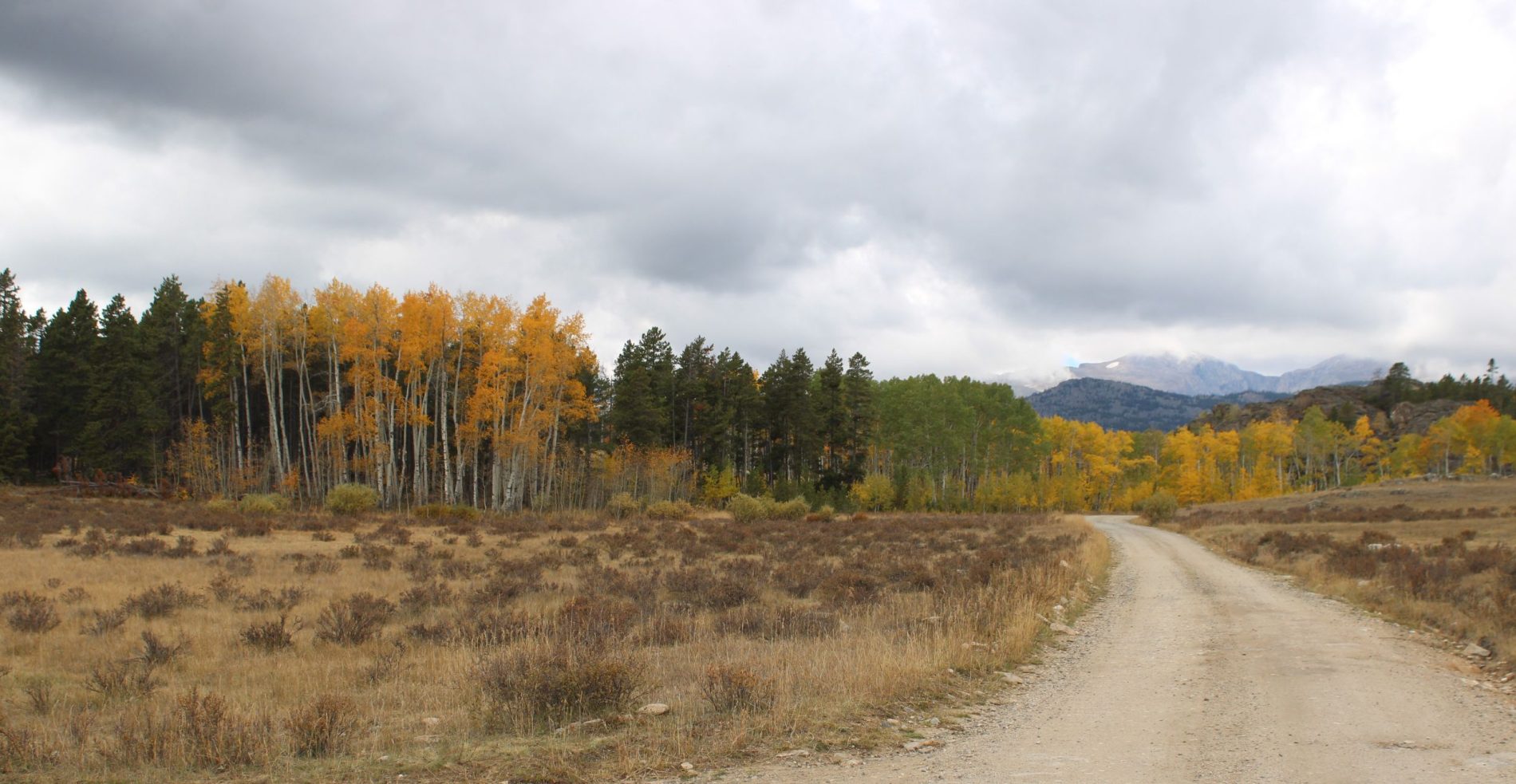
On September 23, the Autumn Equinox occurred. The Autumn equinox is the time when the sun crosses the celestial equator from north to south. It marks the state of astronomical autumn in the northern hemisphere.
The Autumn equinox is when the hours or daylight and darkness are roughly the same. The daylight hours continue to shorten as fall moves into winter, and then, around December 21, the winter equinox, the days slowly began to lengthen towards spring. In March, the spring equinox, day and night will again be almost of equal length.
In this story from Wyoming State Tribune, Saturday, June 21, 1919, it describes the equinoxes. Today Is Longest Day In The Year – Saturday. June 21—not always Saturday, but always June 21 — is the longest day in the year. It is the opening of summer, officially. Since March 23, which is known as the vernal equinox, spring has been here. Today marks the coming of Summer, and is known in the almanac as the summer solstice.
It will be summer from now until September 22, which is the autumnal equinox. This equinox business means that on the dates mentioned above, the hours between sunrise and sunset, and sunset and sunrise, are the same. The solstice means that the hours between sunrise and sunset are more numerous than between sunset and sunrise.
Following the autumnal equinox, the hours of darkness outnumber the hours of daylight, and when the winter solstice drives around three days before Christmas, the hours of dark are more numerous than the hours of daylight.
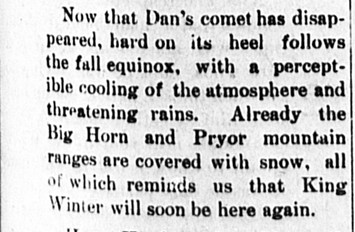
There have been superstitions about the equinox and storms, like in this clip from The Cowley Weekly Progress, September 20, 1907
However, the weather bureau debunks this myth.
The Sheridan Post, September 28, 1921 –No Equinoctial Storm – Denver, Colo., Sept. 27.—Another popular superstition was exploded the other day. There is no such thing asequinoctial storm, take it from M. J. Sherier, district forecaster for the United States weather bureau here. The autumnal equinox means that on or about Sept. 21 the sun passes the equator on its annual march southward. On March 21 orthere abouts, it crosses on its way northward. If there is a storm that day, it is called the equinoctial storm by popular superstition but the storm is only a coincidence and the day is as apt to be fair or stormy, he said. This year the equinox is a couple of days late. Its schedule brings it to the equator at 7:30 a.m., Sept. 23.
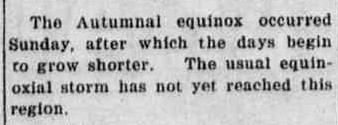
The Laramie Republican, September 21, 1921 – Autumnal Equinox Without a Storm. Today is the autumnal equinox, but the usual equinoctial storm has either gone before of is yet to come, for today is as nice a day as in summer, except for some wind. The air is clear and the sun shown bright and warm. The First National bank barometer today marked 23.12 and the forest service instrument, 23.13.
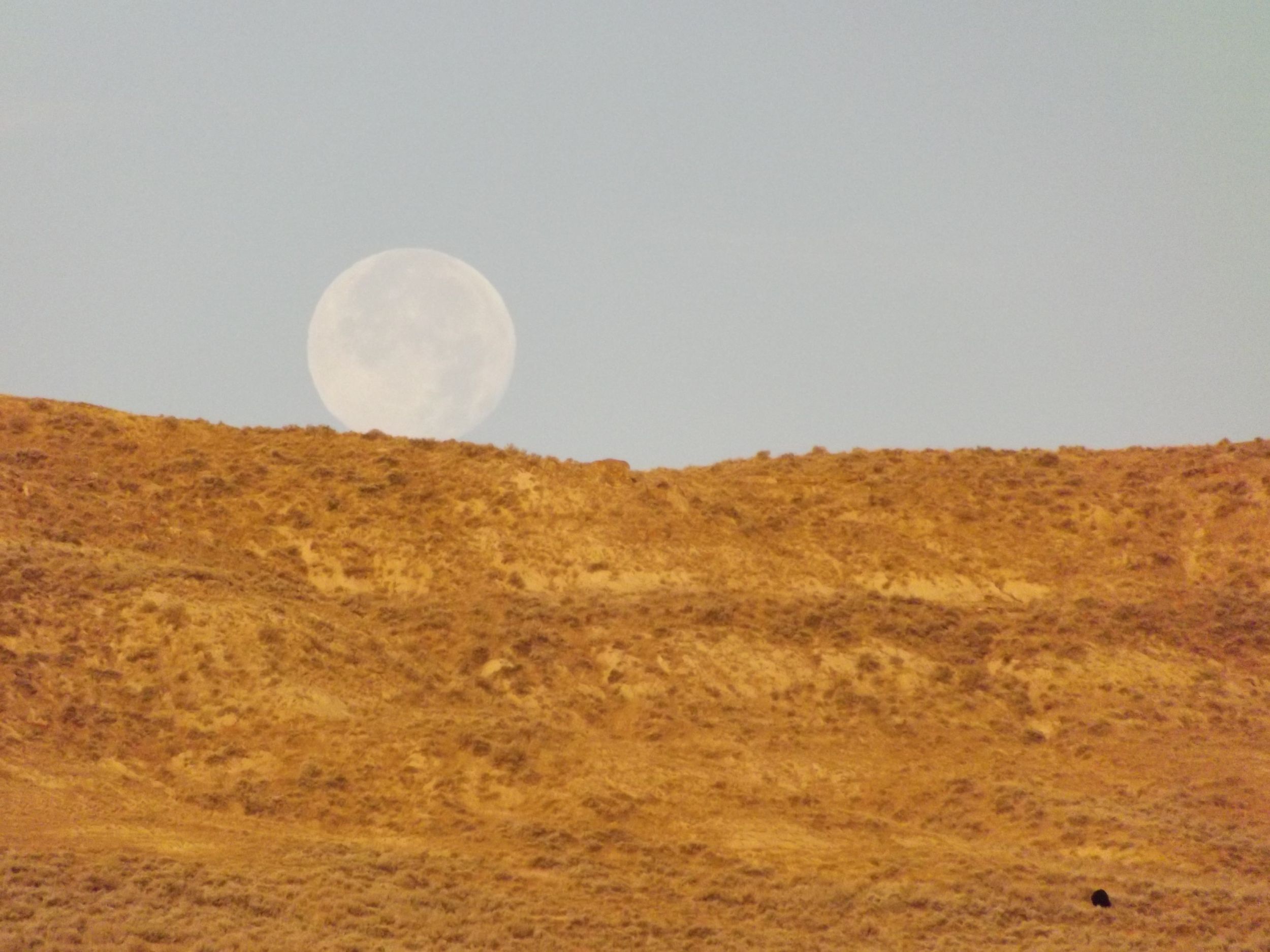
At the same time as the autumn equinox is the Harvest Moon.
This from The Powell Tribune, July 16, 1915 – Harvest Moon. The harvest moon is the full moon that occurs about the time of the autumn equinox. Because of the small angle that is made by the moon’s orbit with the horizon It rises at the same time for several nights. The Hunter’s moon is the next moon after the harvest and is a like phenomenon.
Rock Springs Miner, Sept 26, 1919
The Buffalo Bulletin, August 7, 1919 – Aside from the autumnal equinox, September each year is marked by an other astronomical event of considerable interest, namely, the so-called harvest moon, It being the full moon nearest to the autumnal equinox. The harvest moon rises at nearly the same time for several successive evenings Instead of nearly an hour later from night to night, as is usually the case, and it is from this continuous run of bright moonlight nights, that this moon is said to derive its name, farmers as a rule taking advantage of the extra light to gather in their late summer crops and store them away for the winter.
This from The Wyoming State Journal (Lander), October 21, 1921 – From new moon to new moon goes this month of October. The moon was new at sum at sunrise October 1, the moon will be new at sunset Oct. 30. The October moon is known as the hunter’s moon and, next to the harvest moon of September, is often the finest moon of the year. Because of the slight angle between the orbits of the moon and of the earth at the season of the autumnal equinox the full moon rises at nearly the same time for several evenings in succession (instead of lagging 50 minutes each night as at other seasons) and “coasts” near the horizon, mounting tardily toward the zenith. Near the Arctic Circle it is observed that the harvest moon sometimes rises earlier one night than it did the preceding, apparently turning nature about.
So, even you have no crops to harvest under the moon, enjoy the Harvest Moon, or perhaps feel slightly melancholy because summer is nearly over, and fall is beginning.