News
US Navy in Antarctica and Wyoming Ties Talk

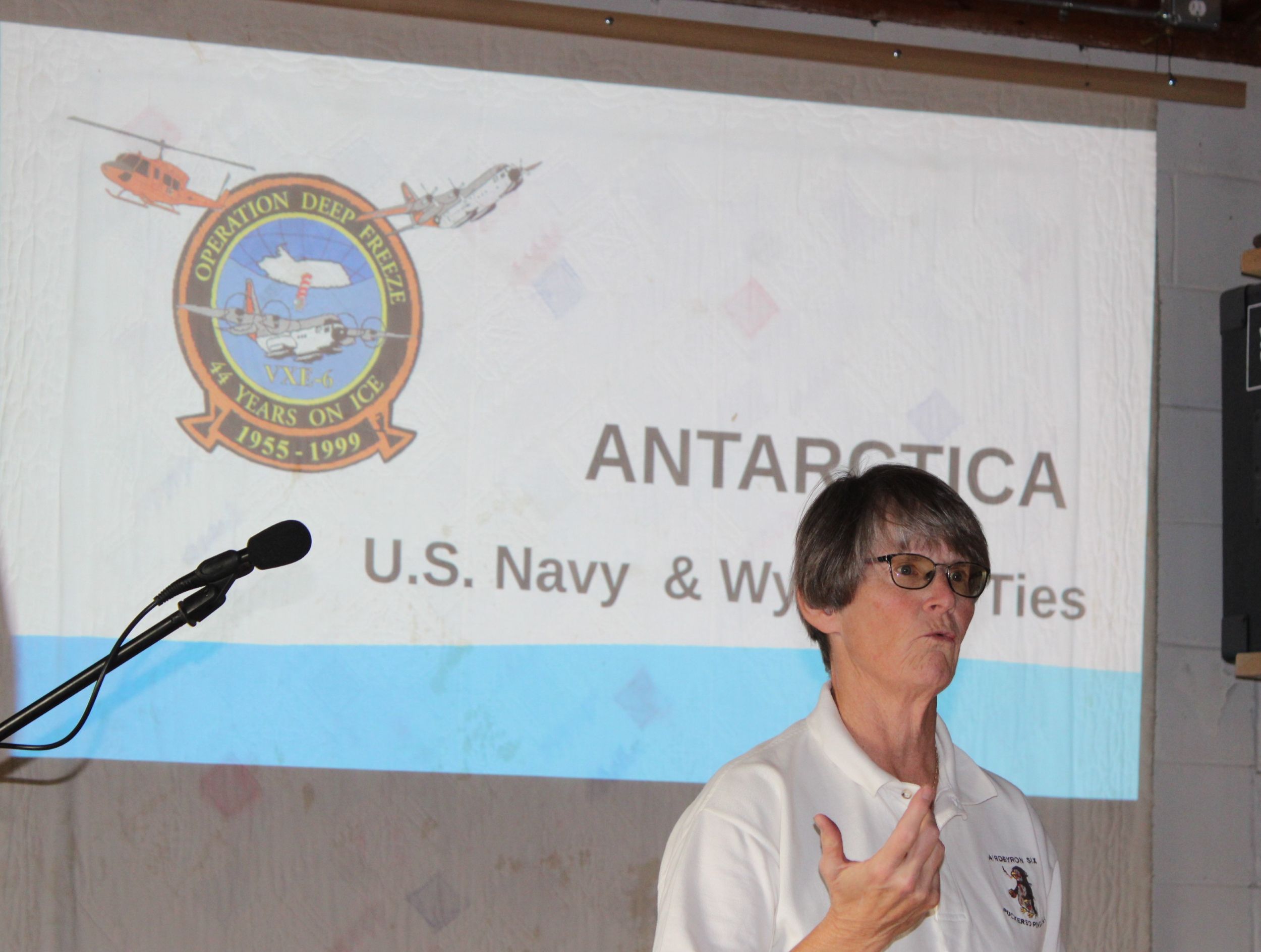
Antarctica is a long way from Wyoming. But according to a Veterans Day talk given by Susan Wells, “Antarctica: US Navy & Wyoming Ties.” on November 8, the gap between them isn’t as wide as some might think.
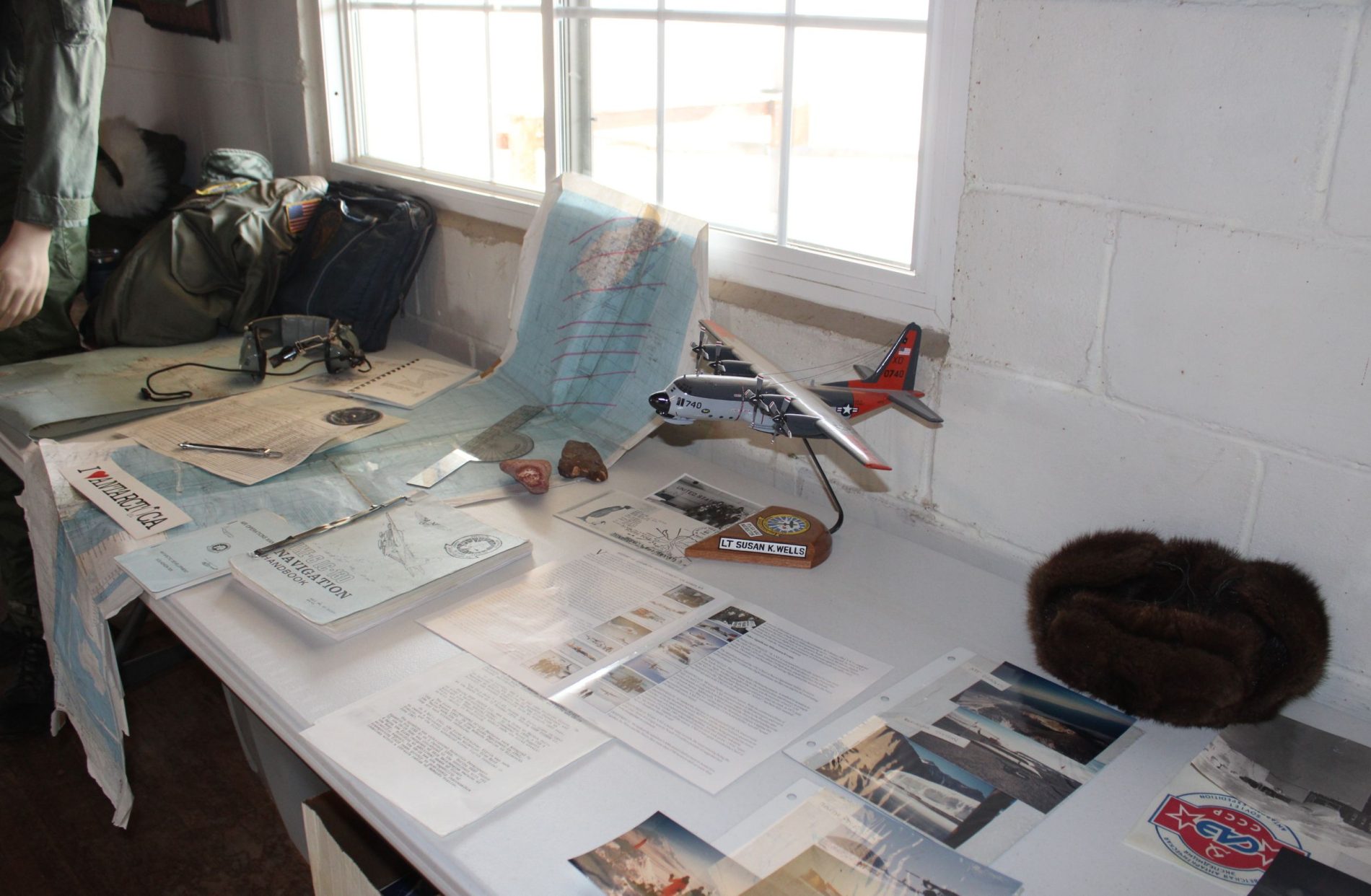
Dave McKee introduced Wells, saying she graduated from Sheridan High School, with an appointment from Senator Simpson, she attended the U.S. Naval Academy, where she earned a Bachelor of Science degree in Oceanography. She then attended flight school.
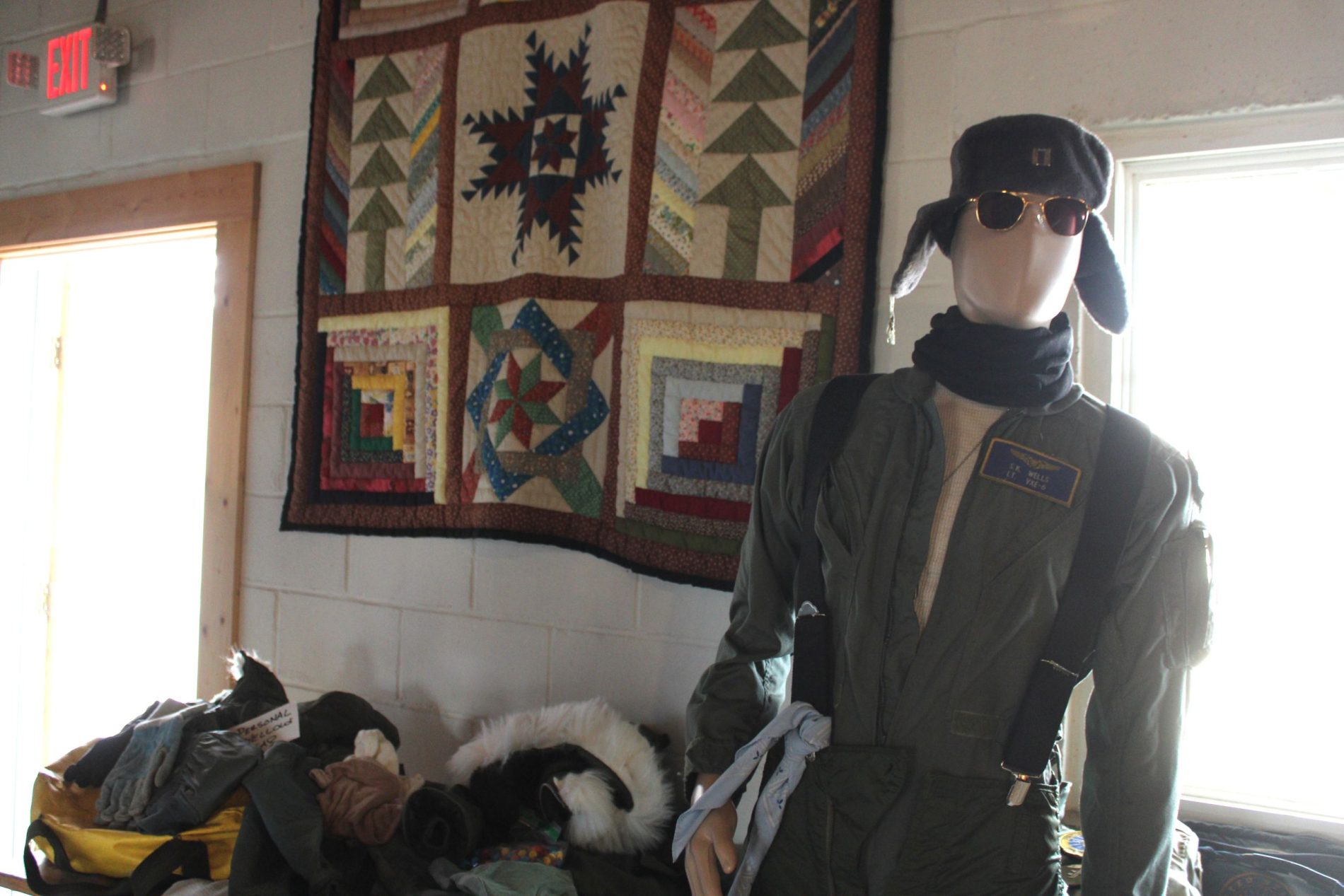
Wells served in Antarctica from 1991 to 1993. She talked about some of her duties there.
She said that Antarctica is the largest desert in the world. Instead of dry dust, it has snow. “The snow is very similar to Wyoming snow, almost like dust blowing,” she said. Many workers there were from Wyoming, she added.
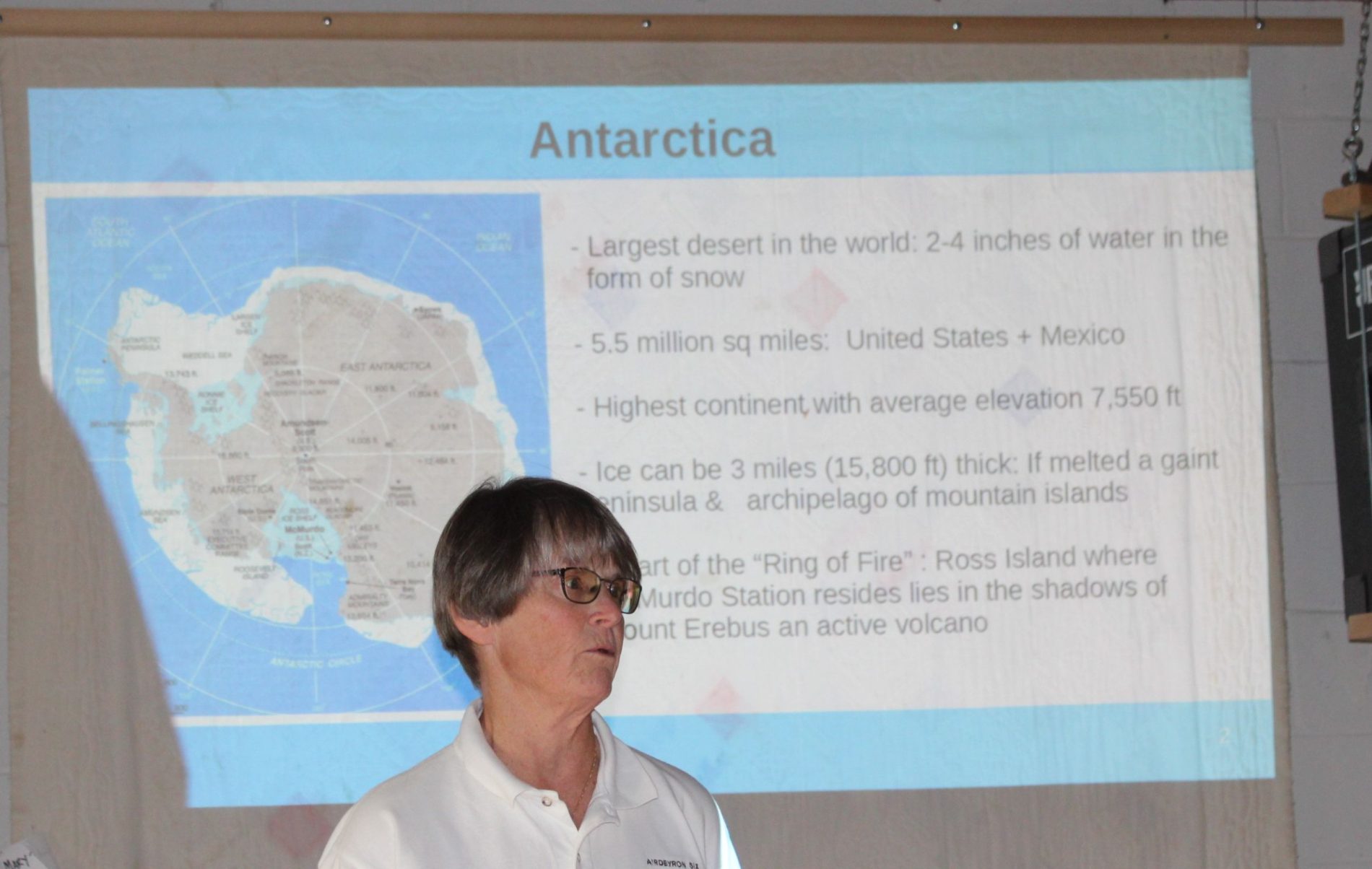
Ross Island is where the research center is located, and she said there are volcanoes there.
She gave some background about the Navy in Antarctica, which began back to 1838 when Lt. Charles Wilkes of the U.S. Navy, mapped the continent.
One explorer was Rear Admiral Richard Byrd, who established the first Little American base and a series of Little America exploration bases on Ross Island from 1929 to 1958. This is where Wyoming and Antarctica meet.
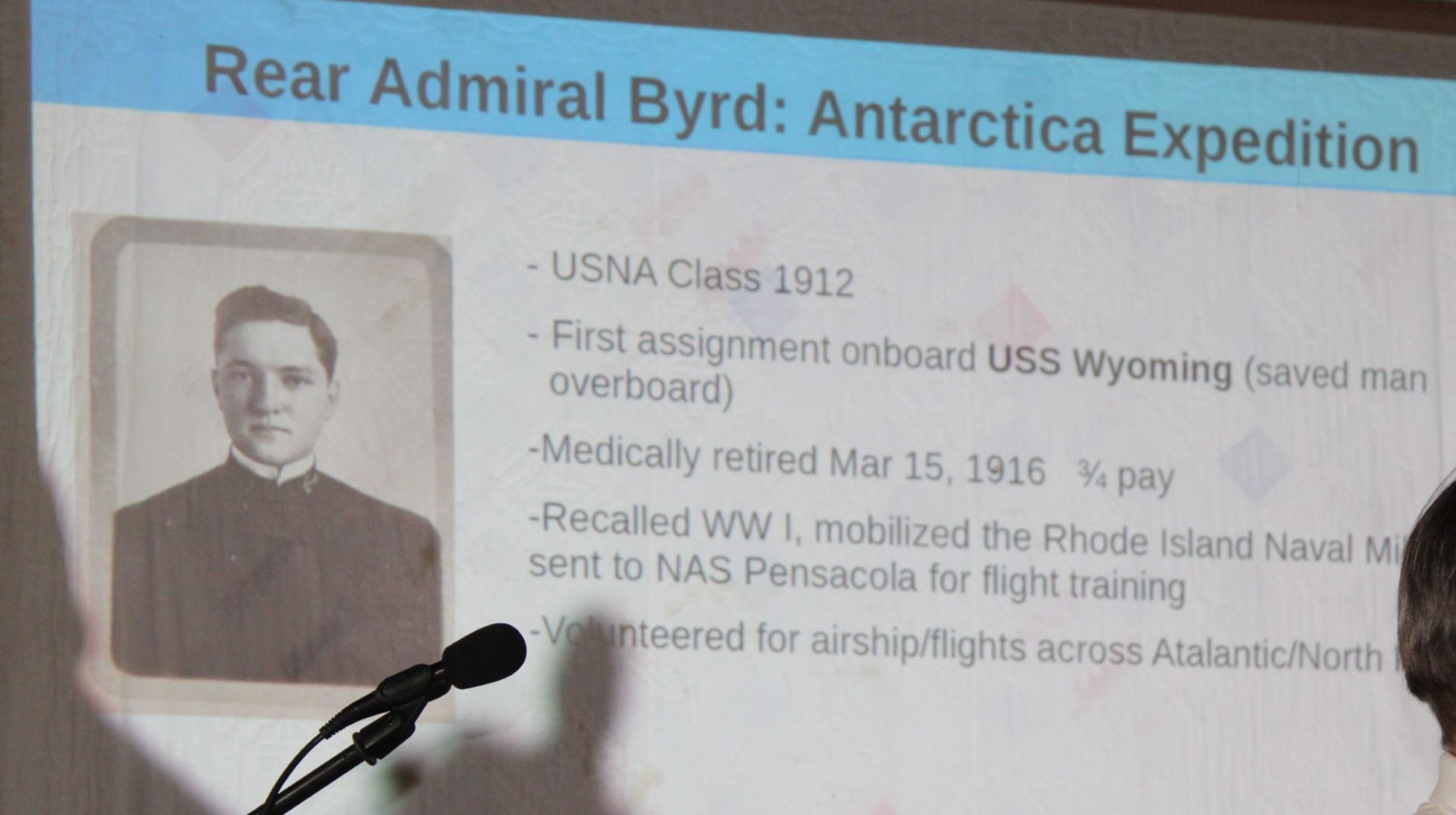
Byrd’s first command was the ship, USS Wyoming. When Byrd returned from his expeditions, he was awarded the medal of honor by President Herbert Hoover. One person in attendance at the ceremony was John B. Kendrick of Sheridan.
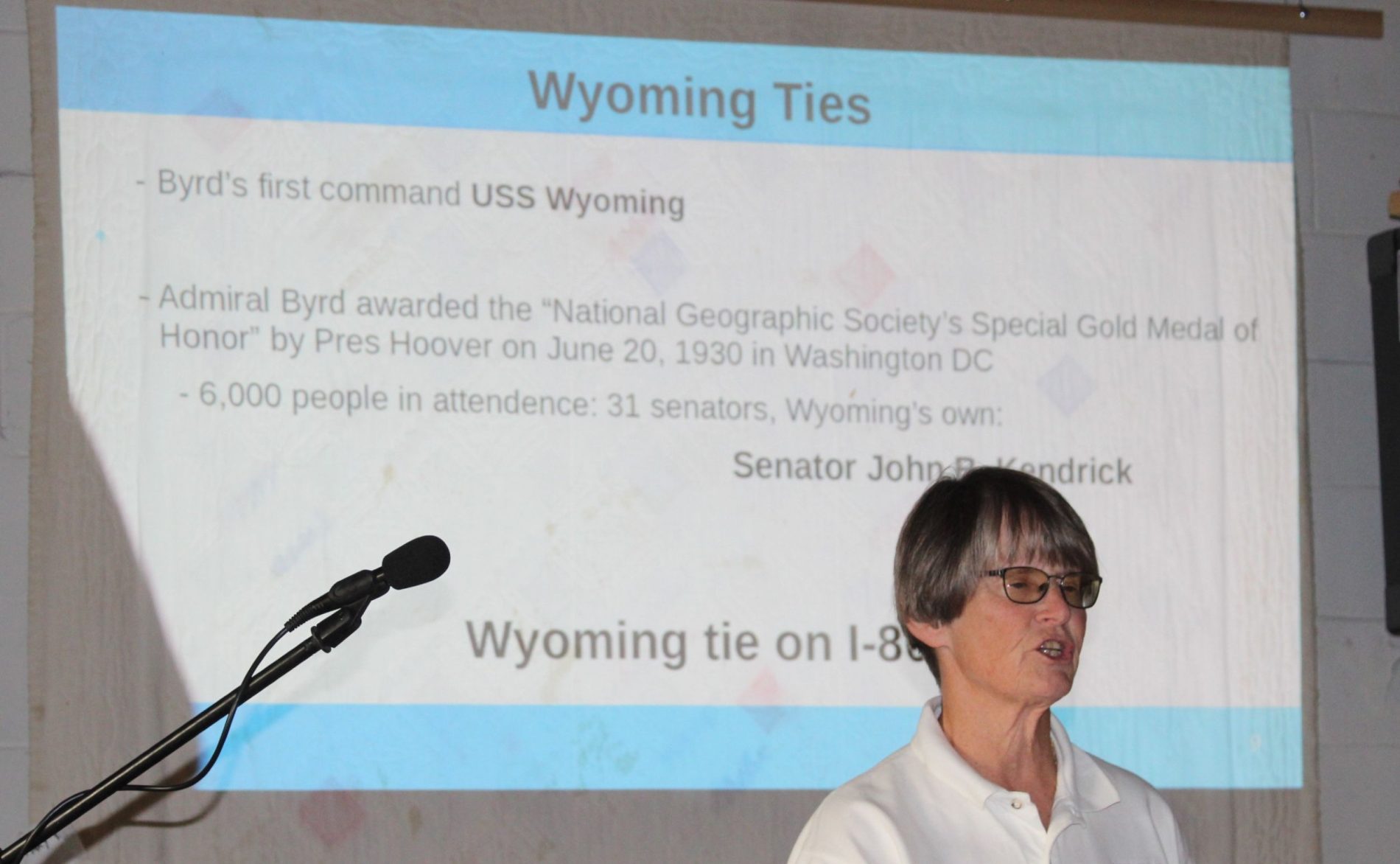
Another connection is still in operation in Cheyenne.
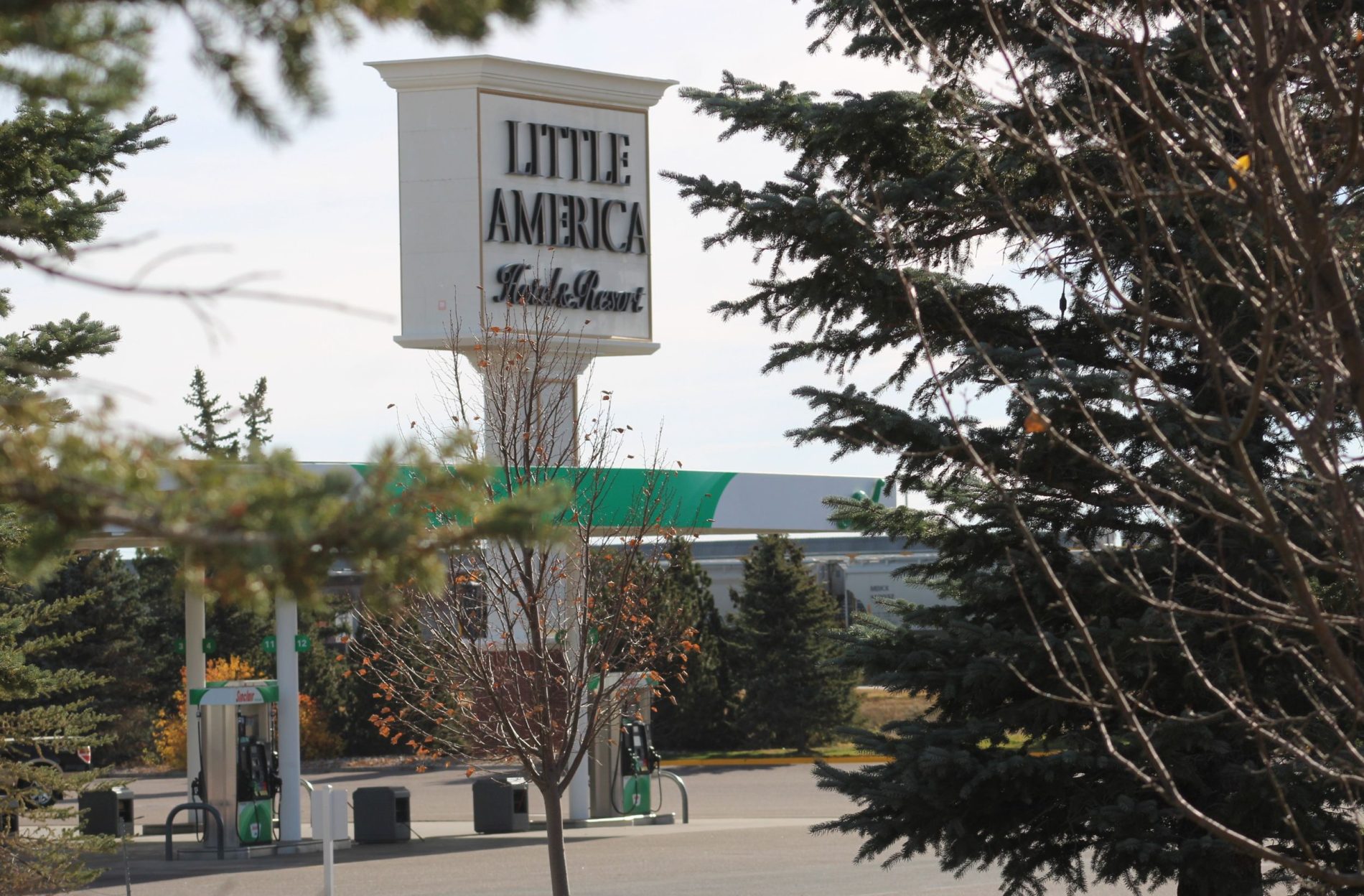
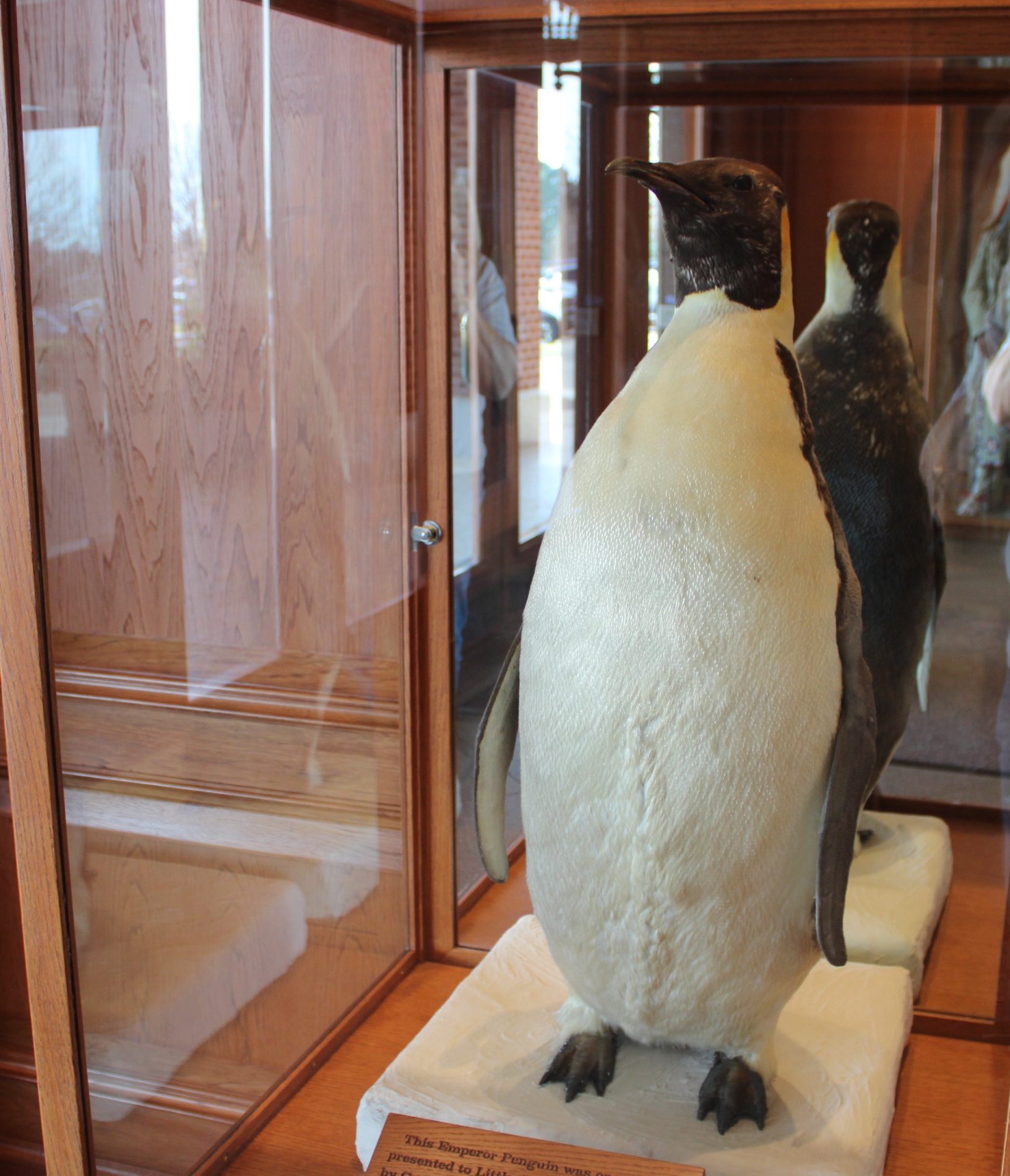
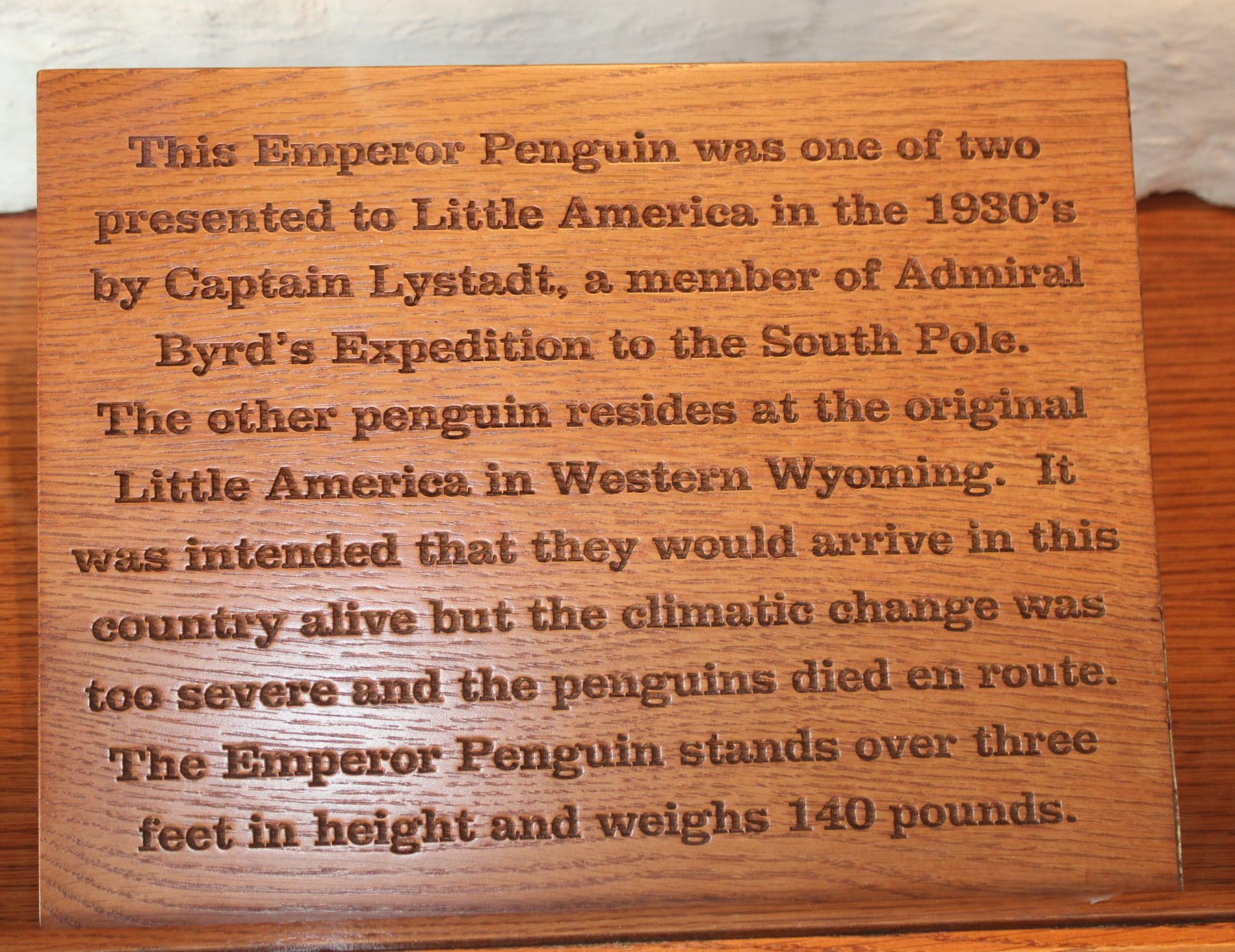
Covey named his gas station Little America. Although it has grown over the years, Little America in Cheyenne is still a welcome way station on the busy I-80 interstate. The emperor penguin has been mounted by a taxidermy and can still be seen at the Little American Hotel.
Although half a world away from Antarctica, Wells’ talk explored some of the several interesting connections between the two places, perhaps making our world seem a little smaller.