News
WWPC Urges Producers to Watch for Invasive Weeds As Drought Relief Begins to Arrive

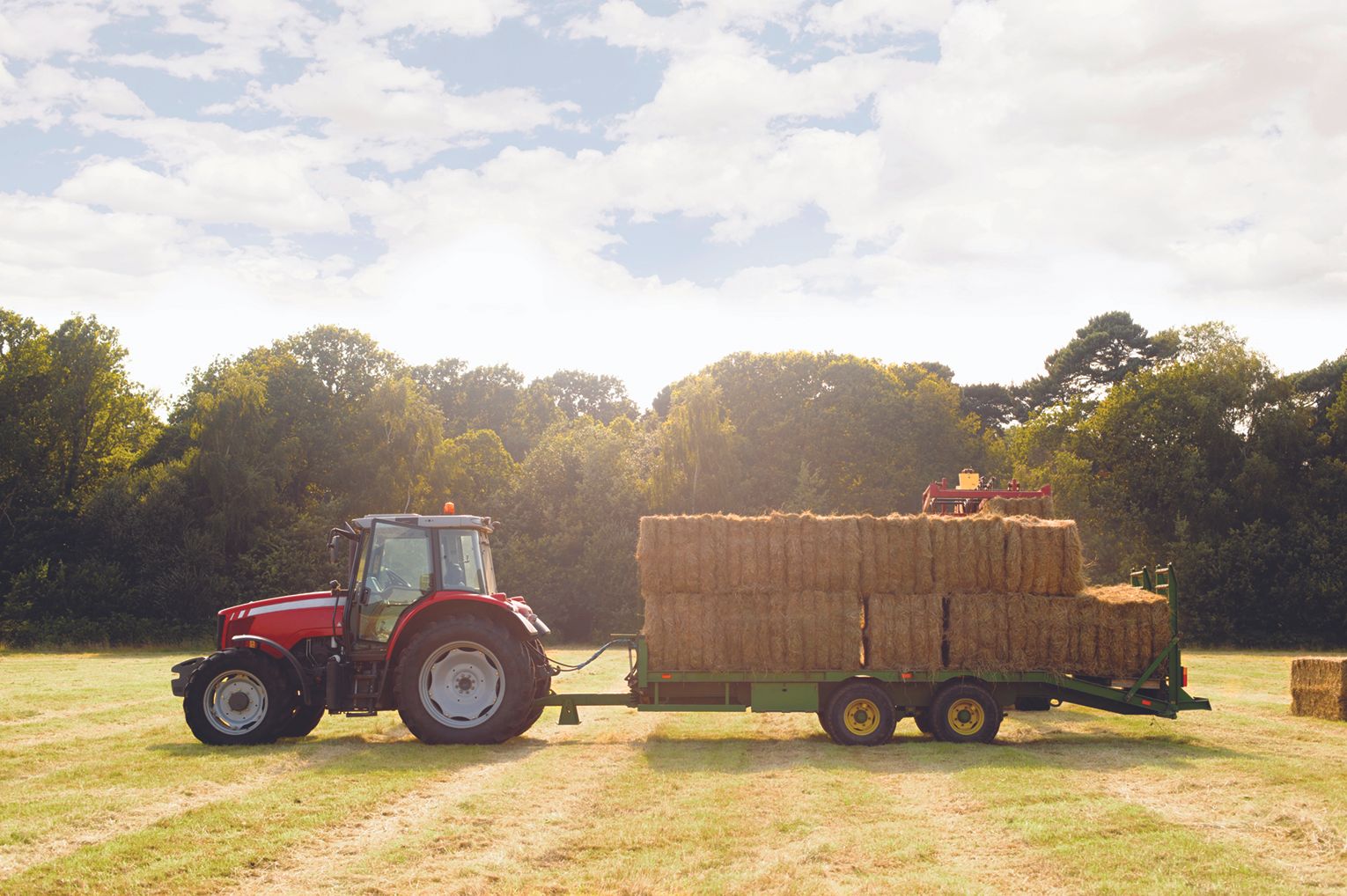
The Wyoming Weed & Pest Council (WWPC) has issued a statement urging the Cowboy State’s producers to watch for invasive weeds as drought relief hay arrives.
The WWPC refers to Governor Mark Gordon’s Executive Order 2026-005, authorizing emergency relief permits for vehicles transporting oversize and overweight loads of livestock feed and livestock across Wyoming. This order is intended to eliminate barriers and accelerate the delivery of hay and forage to help livestock operators in drought-stricken areas of the state.
In a press release dated Aug. 5, Gordon stated, “Wyoming drought conditions have substantially impacted producers on-the-ground, including impacts to hay and forage production. This executive order will remove barriers affecting Wyoming’s impacted livestock operations. This necessary action will provide opportunities for our producers to continue feeding their animals during these times of hardship.”
As more hay is brought into Wyoming and moved around the state, the spread of noxious weeds becomes a real threat. The WWPC and the Wyoming Association of Conservation Districts (WACD) are urging hay buyers to be on the lookout for new weed infestations. Early detection and rapid response can save landowners thousands in future control costs if treated before weeds can spread.
“We are working closely with producers to support their needs during these difficult times,” Wyoming Department of Agriculture Director Doug Miyamoto said. “We encourage everyone to stay vigilant and report any signs of weeds or strange-looking plants to your local weed and pest district. They will dispatch an Early Detection Rapid Response team to investigate.”
In addition to reporting any infestations, WWPC and WACD offer these tips to help combat the spread of noxious weeds and pests in your area.
- Know what you’re buying and where it came from. Use certified, weed-free hay and forage if possible.
- In the wake of droughts, fires and high temperatures, invasive plants and weeds can quickly spread, harming native plants that need time to grow. Early detection and eradication of weeds is critical to preserving native plants.
- Be sure to wipe down equipment, tools, boots and other items that may come in contact with noxious weeds.
- Weeds like to hitch a ride on trucks and other motorized vehicles. Spray down your vehicle before hitting the open road.
- Be especially vigilant for ventenata and medusahead. These invasive annual grasses are hard to detect and, if established, spread quickly and increase wildfire danger. Broadleaf species like leafy spurge, yellow starthistle and palmer amaranth are also easily spread in contaminated hay.
“The last thing producers need to worry about at this point is noxious weeds taking over their land,” Wyoming Department of Agriculture Weed and Pest Coordinator Lindsey Woodward said. “Every county in the state has a Weed and Pest District standing by to provide support. If you see anything out of the ordinary, reach out and we’ll address the situation and make recommendations as needed – we’re all in this together.”